
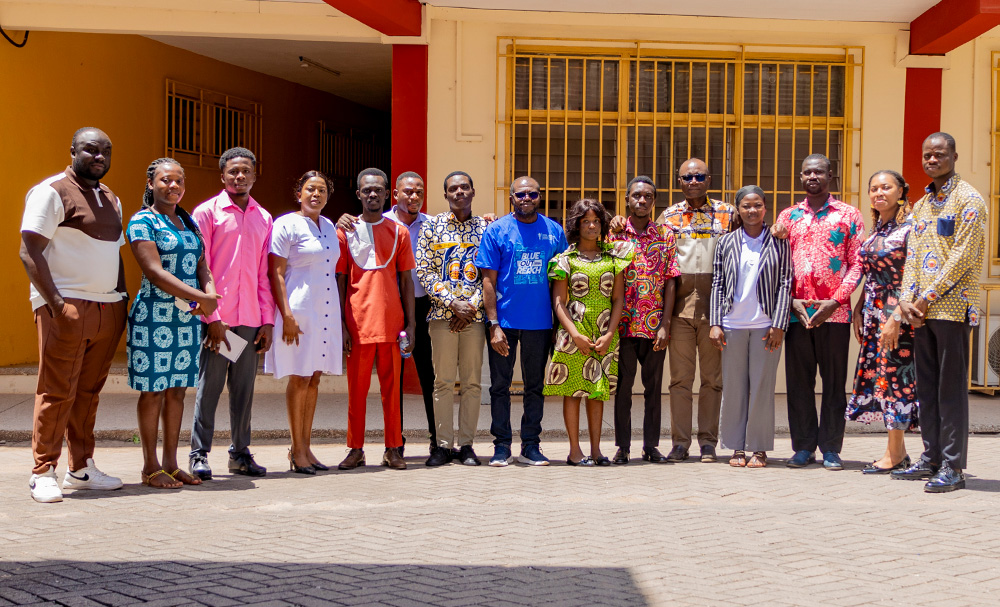
The KNUST Nkabom Collaborative has trained 100 participants, including eight persons with disabilities, in entrepreneurship at Takoradi Technical University (TTU), helping them develop business ideas and explore opportunities for economic independence.
The 10-day training formed part of the Blended Partner University Entrepreneurship Training Programme under the Nutrition and Sustainable Agri-food Collaborative at the Kwame Nkrumah University of Science and Technology, Kumasi (KNUST), in partnership with the Mastercard Foundation.
Seven participants had hearing impairments and one had a visual impairment. Sign language interpreters supported participants with hearing impairments during the sessions.
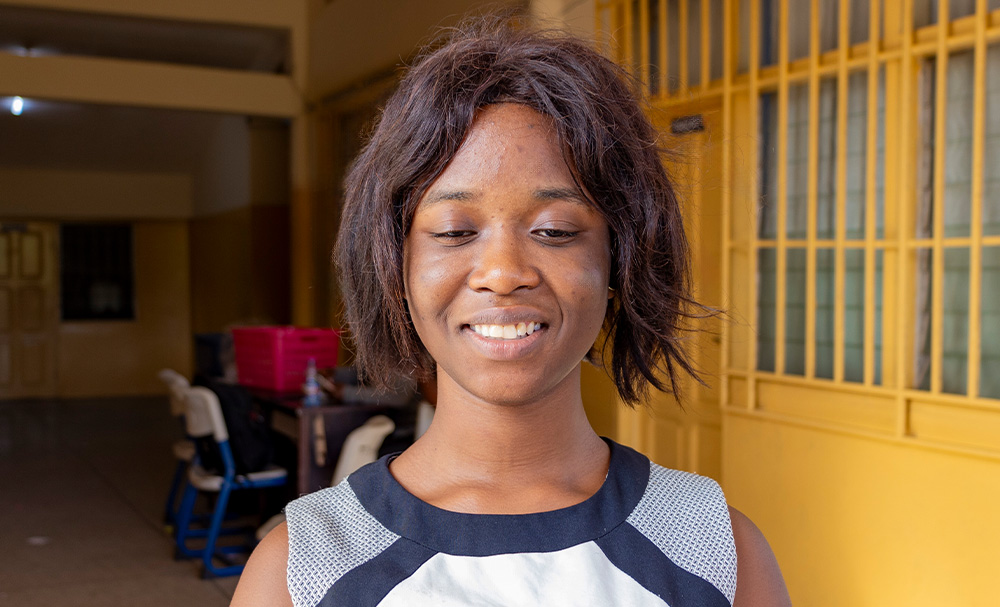
Manuela Ansah-Gogoe, a participant with a visual impairment, said the training had challenged her perception of what she could accomplish as an aspiring entrepreneur.
“The training has helped me realise that, although I have a visual impairment, I can contribute meaningfully to a business venture by working with people whose experiences and abilities differ from mine.
“By combining our different strengths, knowledge and perspectives, we can develop innovative solutions and create a greater impact,” she said.
Her group developed a business idea to produce groundnut paste that meets food safety standards while creating a market for farmers who grow quality groundnuts. The proposed venture aims to address concerns about aflatoxin contamination and help farmers commercialise their produce.
Ansah-Gogoe commended the facilitators for explaining activities and answering questions in ways that helped her follow the discussions.
“I think it is a very good way to bring young people together, and if this is done more often, it could reduce unemployment among persons with disabilities in Ghana,” she said.
She called for greater investment in assistive technologies to make future sessions more accessible to participants with visual impairments.
Ashata Odrago, a participant with a hearing impairment, said she joined the programme to deepen her understanding of entrepreneurship and learn how to start a business.
“The sign language interpreter made everything the facilitators were saying accessible to me and made it easier for me to understand,” she said.
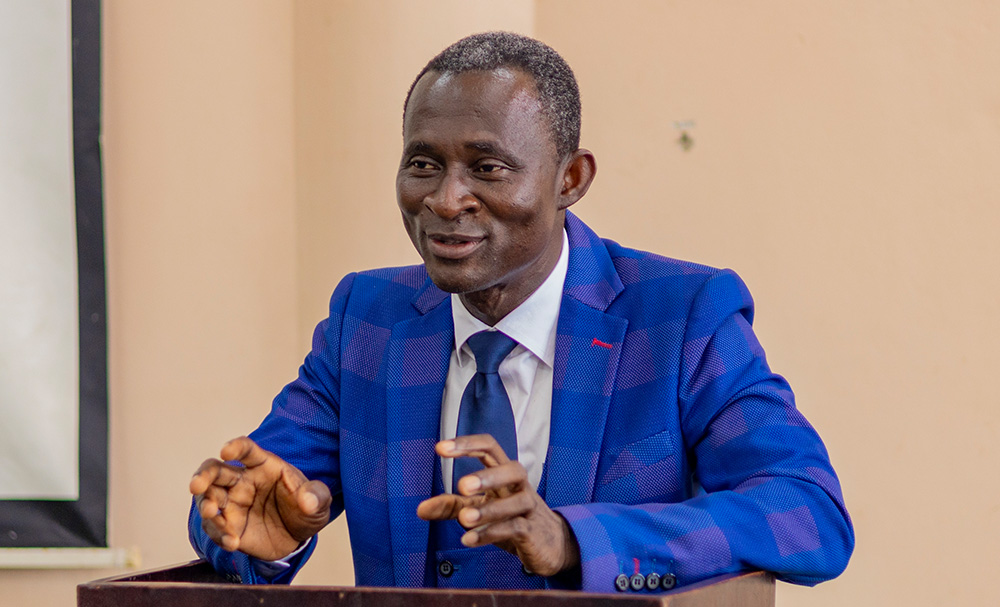
TTU Pro-Vice-Chancellor Prof. Ebenezer Boakye said the university was committed to supporting the welfare and education of persons with disabilities.
Before the government introduced full scholarship support for eligible students with disabilities, TTU had offered free accommodation as a form of partial scholarship assistance, he said.
Boakye said the university had considered plans to establish a specialised learning centre equipped with assistive technologies to improve access to technical education for persons with disabilities.
He said the partnership with the KNUST Nkabom Collaborative could help realise that ambition by strengthening inclusive learning and entrepreneurship opportunities.

Prof. Wilberforce Owusu-Ansah, the collaborative’s entrepreneurship pillar lead, commended the participation of persons with disabilities and said their engagement was central to the programme’s inclusion goals.
He said the collaborative would draw on lessons from the training to improve accessibility and make future programmes more responsive to participants’ needs.
“We remain fully committed to ensuring that every participant, regardless of ability, can learn, and thrive in our entrepreneurship training programmes,” he said.


