
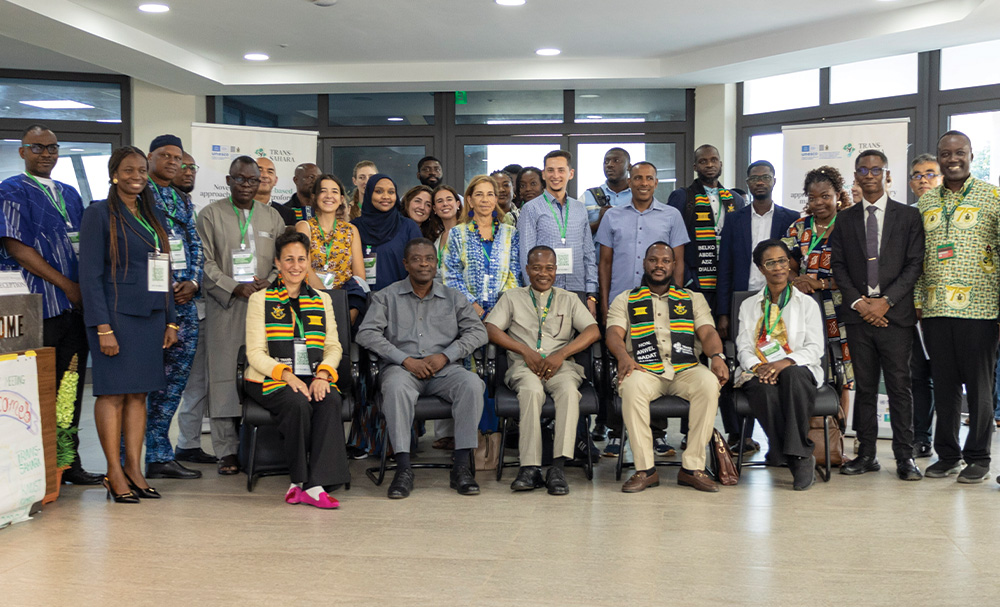
The Kwame Nkrumah University of Science and Technology, Kumasi (KNUST), through its Technology Consultancy Centre (TCC), has hosted the 2026 African Water-Energy-Food-Ecosystems (WEFE) Nexus Summit under the European Union-funded TRANS-SAHARA Project to explore integrated solutions for sustainable resource management and climate resilience.
The summit, organised in collaboration with the Technical University of Munich (TUM) and international partners, was held under the theme, "Harnessing Resources for Sustainable Climate-Smart Water-Secure Development."
Delivering the keynote overview of the TRANS-SAHARA Project, the Principal Investigator from the Technical University of Munich, Professor Daphne Keilmann-Gondhalekar, said the WEFE Nexus approach seeks to address the interconnected challenges of water, energy, food and ecosystems through interdisciplinary and transdisciplinary collaboration. She noted that climate change is a global challenge requiring collective action beyond national boundaries.
"Climate change is affecting Africa significantly, but Europe is also increasingly experiencing its impacts. We need to rethink our infrastructure systems, adopt nature-based and resource-efficient solutions, and move towards more circular economies if we are to reduce greenhouse gas emissions and build resilience," she said.
Professor Keilmann-Gondhalekar described the TRANS-SAHARA Project as a collaborative initiative involving 15 partners across nine African countries, with KNUST serving as the flagship African partner. She said the project focuses on stakeholder engagement, data generation, modelling, socio-economic innovation, community-based living laboratories, capacity building and policy engagement to operationalise the WEFE Nexus approach across the Sahel region.
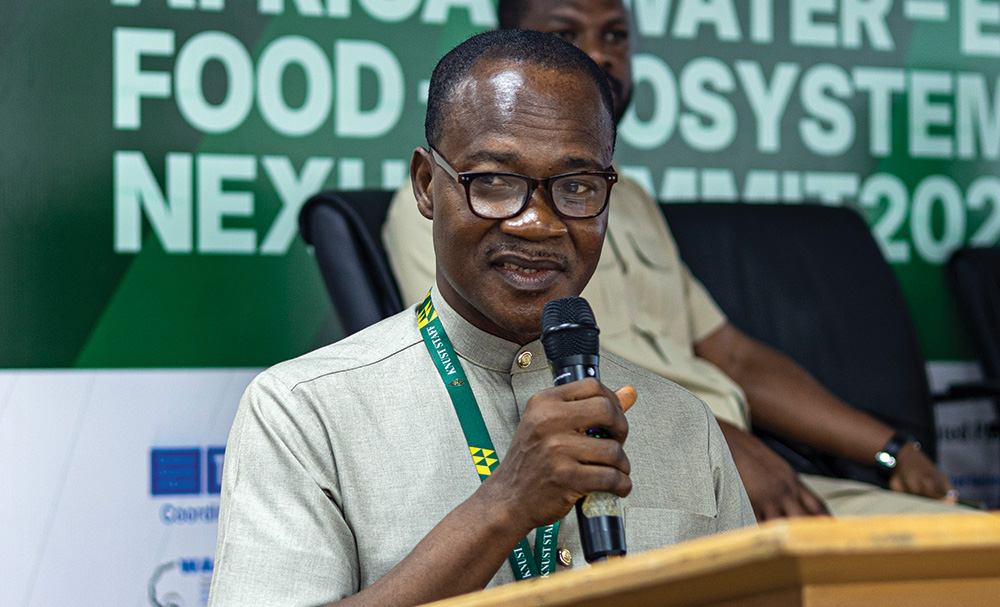
Representing the Vice-Chancellor, the Dean of the Faculty of Pharmacy, Professor Samuel Asare-Nkansah, described the summit's theme as one that reflects "one of the defining challenges of our time," noting that Africa's interconnected challenges of water security, energy access, food production, ecosystem restoration and climate resilience require integrated, science-driven solutions.
"The Water-Energy-Food-Ecosystems Nexus provides a powerful framework for addressing these complex challenges while advancing sustainable development and improving livelihoods," he said.
Professor Asare-Nkansah said KNUST was honoured to serve as the African host institution for the summit through the Technology Consultancy Centre, reaffirming the University's commitment to excellence in research, innovation and community engagement.
He added that KNUST's participation in the European Union-funded TRANS-SAHARA Project demonstrates its commitment to fostering interdisciplinary collaboration and developing practical solutions to sustainable development challenges across Africa.
Professor Asare-Nkansah encouraged participants to translate research outcomes into practical interventions capable of building resilient societies and empowering the next generation of innovators.
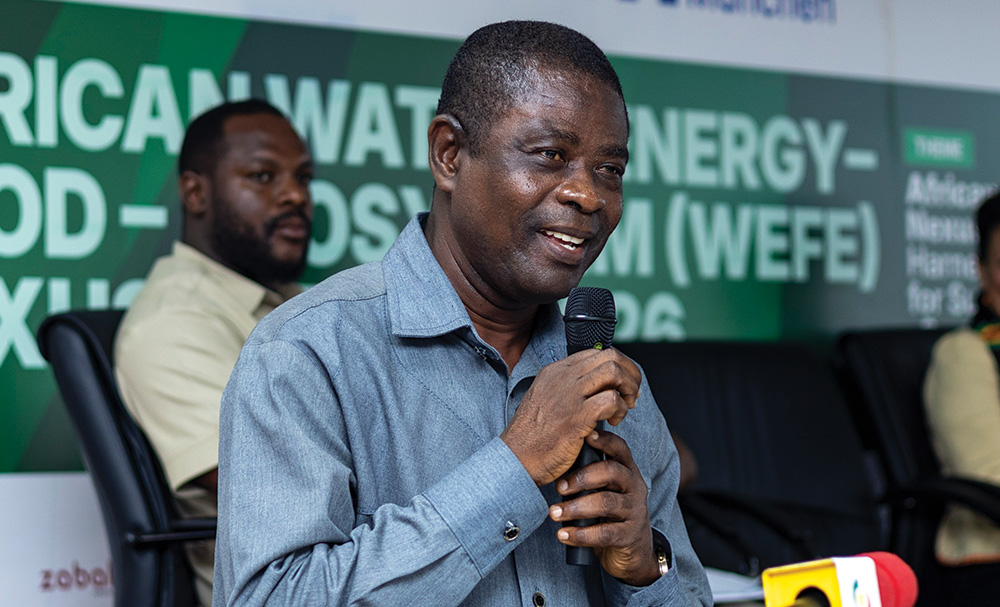
The Director of the Technology Consultancy Centre, Professor Francis Davis, said climate change, water insecurity, biodiversity loss, declining soil fertility and rising energy demand continue to threaten livelihoods and economic development across the continent.
"These challenges do not occur independently. They interact in complex ways and require integrated solutions," he said. "The Water-Energy-Food-Ecosystems Nexus reminds us that sustainable development cannot be achieved through isolated sectoral interventions."
Professor Davis highlighted the TCC's longstanding role in translating research into practical solutions and commercial innovations that improve lives. He expressed optimism that the TRANS-SAHARA Project would evolve into a lasting innovation platform capable of transforming research findings into market-ready solutions and creating a sustainable impact hub for Africa.
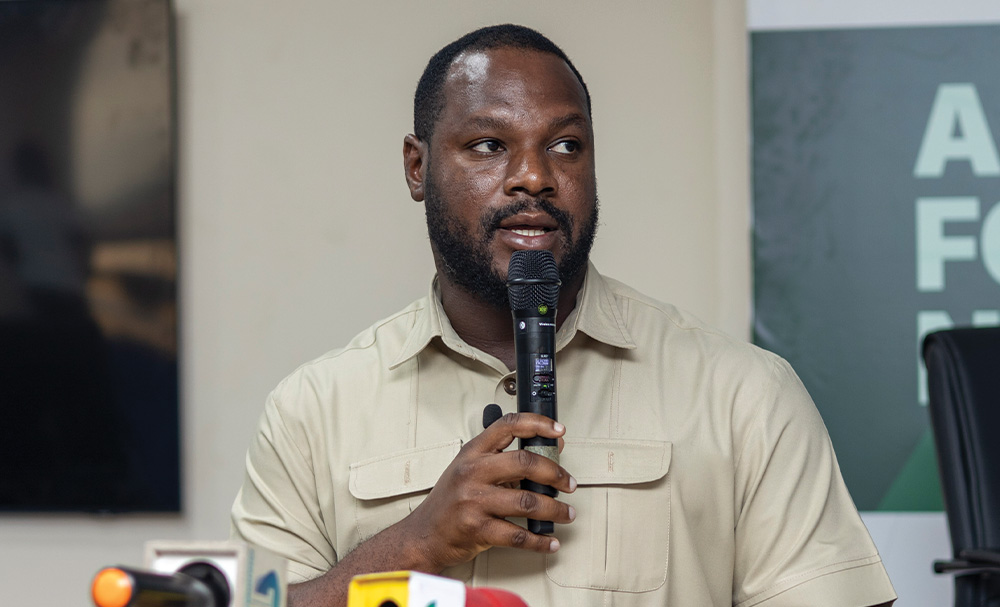
The Municipal Chief Executive for Oforikrom, Anwel Sadat Ahmed, also commended KNUST for partnering with the Technical University of Munich to host the summit, describing the University as one of Africa's leading centres of excellence in science, technology and innovation.
"Africa's challenges of water security, energy demand, food production and ecosystem protection are highly interconnected. The WEFE Nexus provides an essential framework for planning sustainable communities and resilient livelihoods," he said.
He urged participants to ensure that the summit's research findings and policy recommendations extend beyond conference halls and academic publications to influence government policy, guide investments and improve the lives of citizens across the continent.
Story: Eunice Odumaa Asare Photos: Michael Kwawu


