
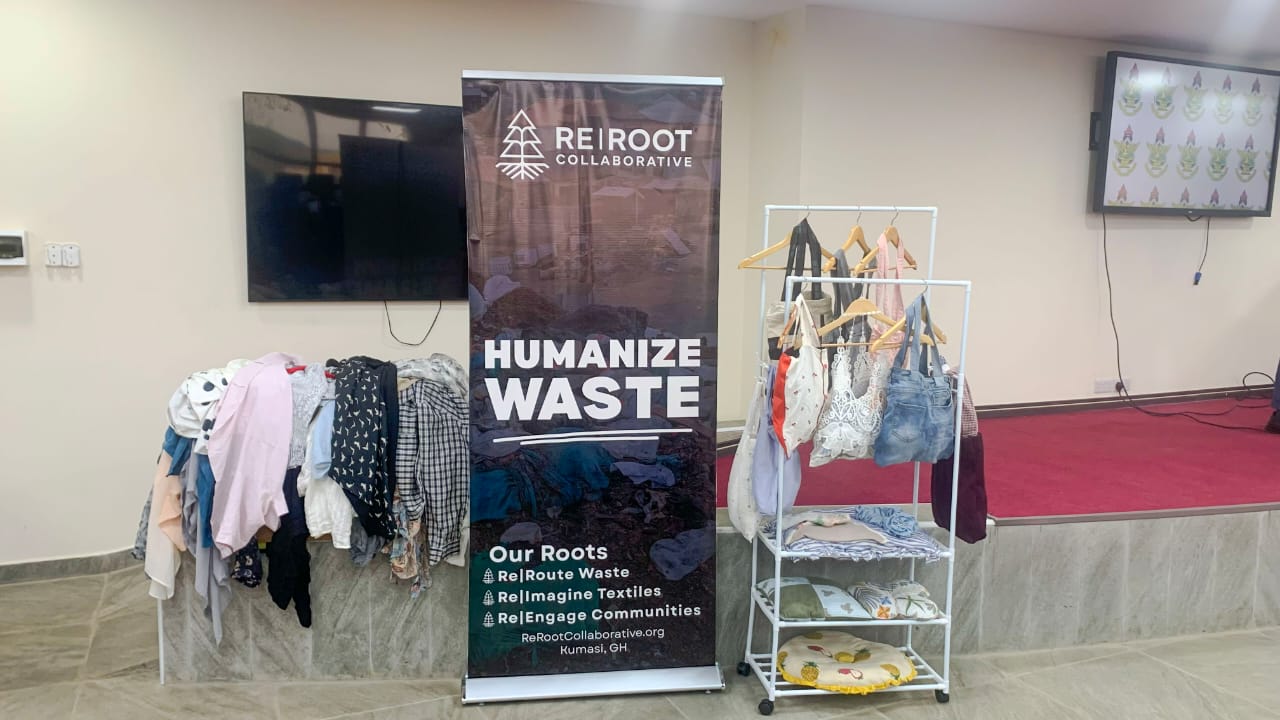
The Department of Industrial Art at the Kwame Nkrumah University of Science and Technology (KNUST) has called for stronger integration of indigenous craftsmanship and sustainable innovation to drive the future of industrial practices and creative industries in Ghana.
The call came during a two-day Industry and Postgraduate Symposium held at the College of Art and Built Environment (CABE) Building under the theme, "Bridging the Gap: Integrating Traditional and Sustainable Innovation in Industrial Practices."
The symposium brought together academics, postgraduate researchers, students and industry practitioners to examine how traditional knowledge systems can be combined with contemporary technologies and sustainable production methods. It also fulfilled a KNUST postgraduate requirement for research students to present at least one conference paper before submitting their theses for examination.
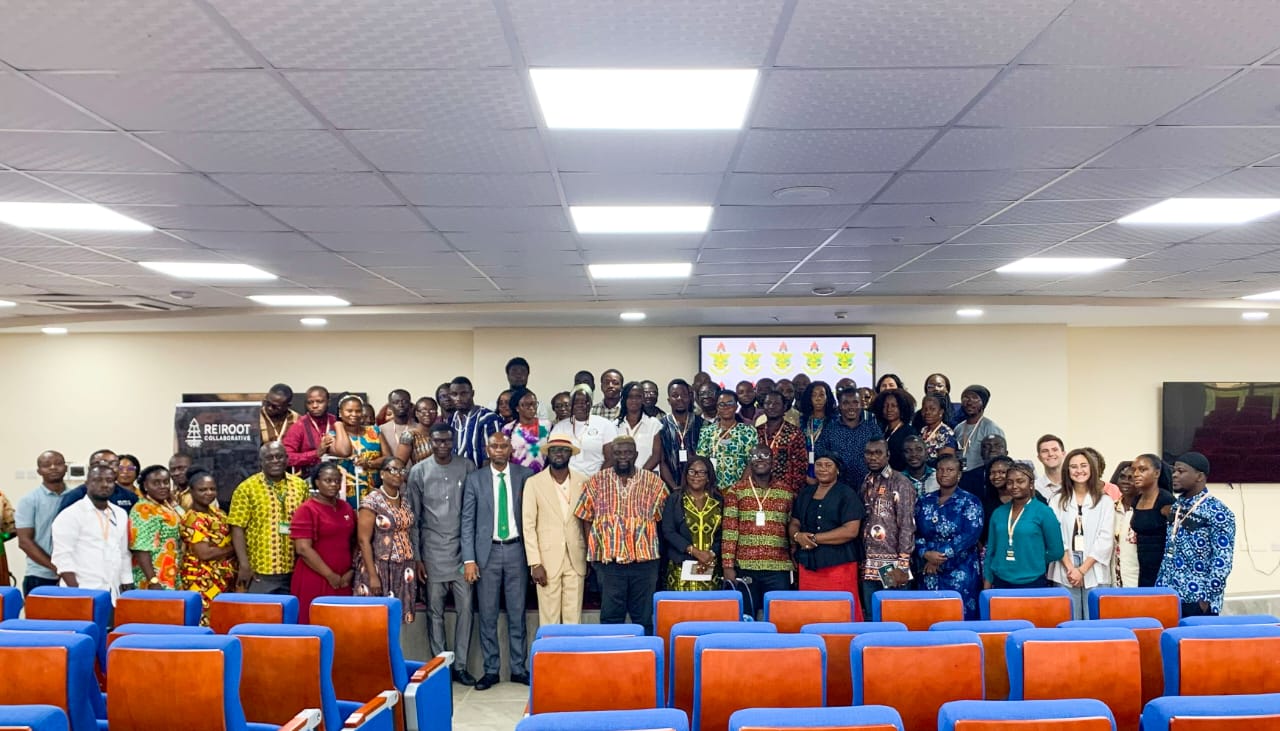
A total of 152 participants, including 120 postgraduate students and 32 undergraduate students, attended the event. They presented 32 research papers across parallel sessions in ceramics, textiles, fashion and communication design.
The research addressed a wide range of issues, including sustainable ceramics, clay characterization, circular fashion, textile waste management, computer-aided design and manufacturing (CAD/CAM), indigenous design philosophies, and gender issues in art and design.
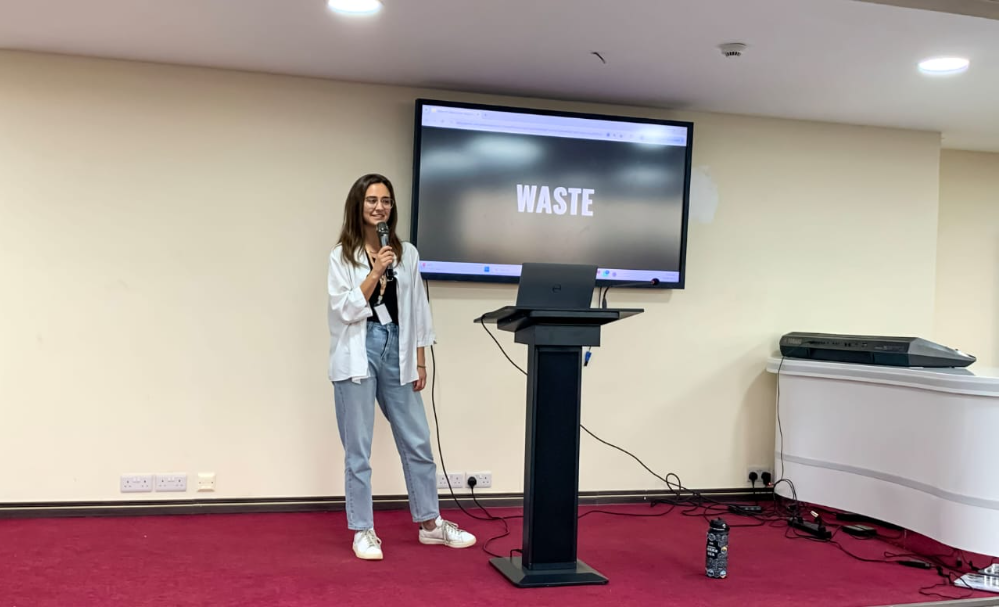
The symposium also featured Serena Caffrey, an Artist-in-Residence from the University of Arkansas, who showcased her work on ceramic water filtration and delivered a multi-sensory performance lecture exploring the relationship between ceramics, water systems and the human body.
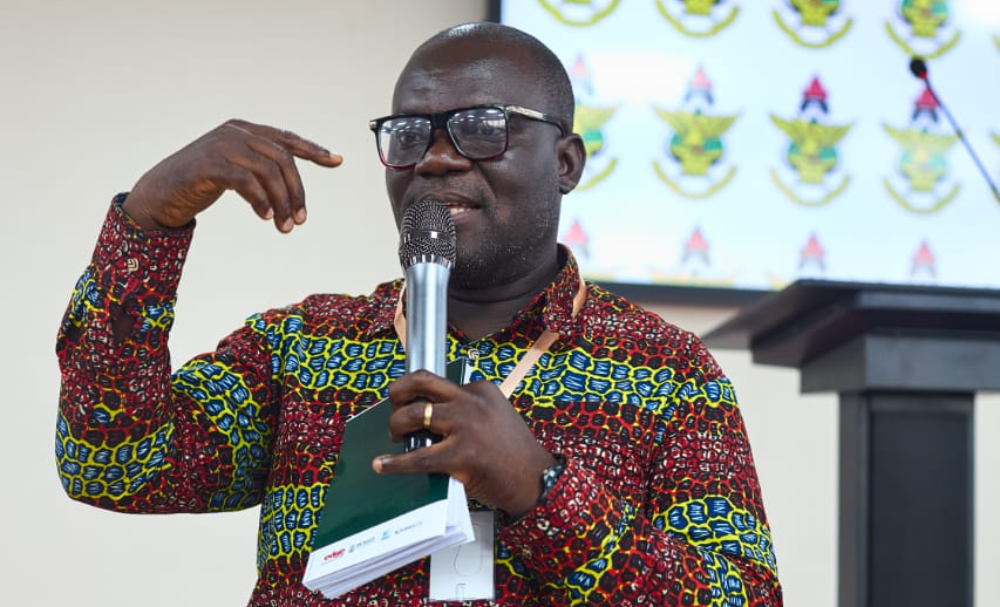
Addressing participants, the Provost of the College of Art and Built Environment, Prof. Christian Koranteng, joined the Dean of the Faculty of Art, Prof. kąrî'kạchä Seid'ou, the Dean of the Faculty of Built Environment, Prof. Emmanuel Adinyira, and the Head of the Department of Industrial Art, Prof. Samuel Nortey, in welcoming participants and underscoring the importance of strengthening collaboration between academia and industry.
The symposium featured keynote presentations by Oheneba Yaw Boamah, Founder and Lead Creative of Abrantie The Gentleman, and Emmanuel Agbey, Founder of Agbey Textiles and an MFA Textile Design candidate at KNUST. Both speakers, who are KNUST alumni, shared their entrepreneurial journeys, highlighting the challenges they encountered in the textile and fashion industries and the resilience required to build successful creative enterprises.
Interactive question-and-answer sessions followed the keynote addresses, allowing participants to discuss practical strategies for innovation, entrepreneurship and sustainability within Ghana's creative economy.
Research presentations were chaired by Prof. Akosua Mawuse Amankwah, Prof. Peggy Ama Fening, Dr. Bismark Sarkodie, and Mr. Derrick Asante Boateng.
On the second day, the Ashanti Fashion Industry Network (AFIN) outlined initiatives aimed at strengthening Ghana's fashion ecosystem, including proposals for an AFIN Fashion Week, a Fashion Awards Scheme, and the establishment of a Centre of Excellence to position the Ashanti Region as a leading hub for fashion, innovation and creative enterprise in Africa.


