
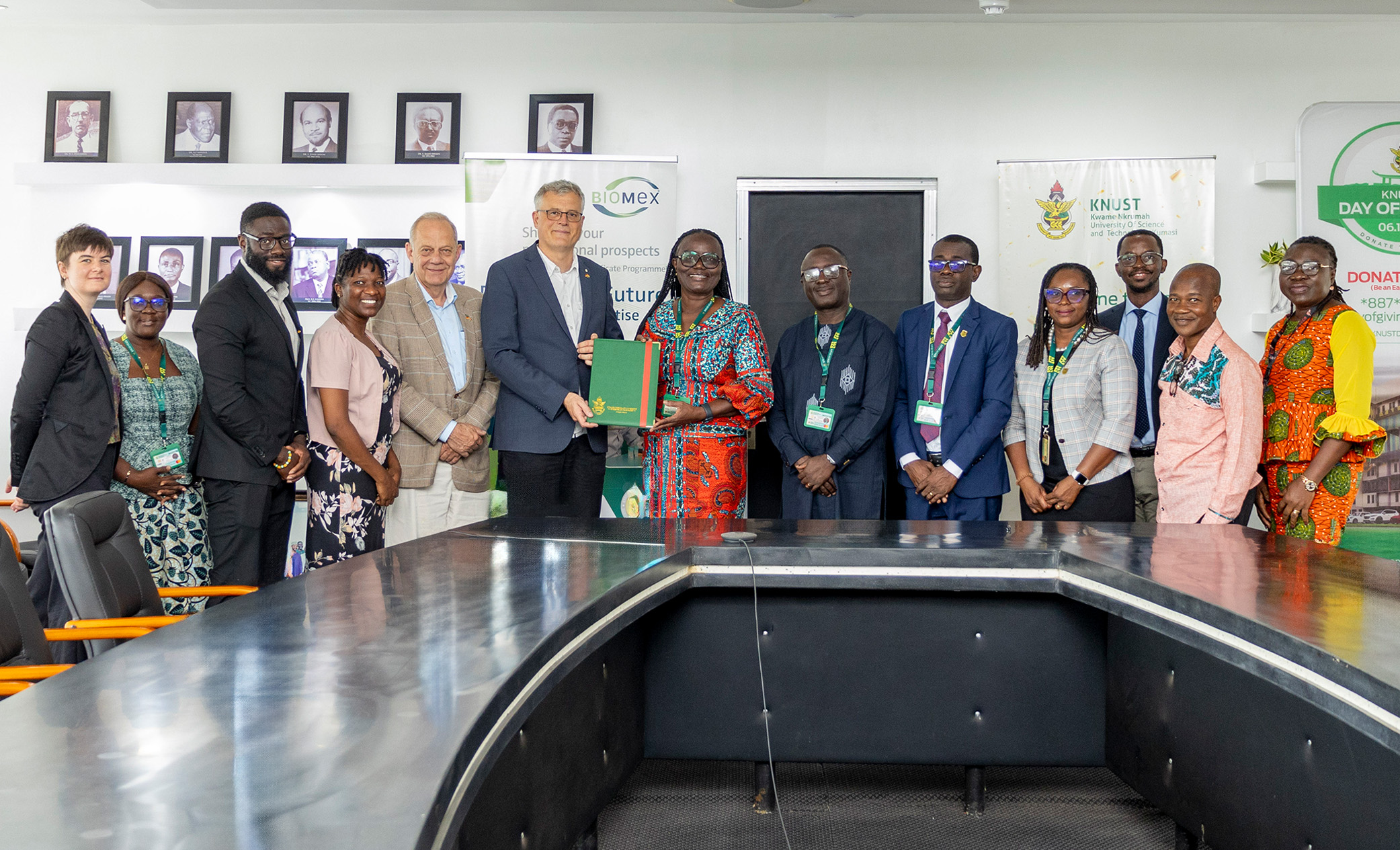
A delegation from the Centre for Distance Learning in Higher Education, Germany, led by its Managing Director, Professor Marc Bludau, has paid a courtesy call on the Vice-Chancellor of the Kwame Nkrumah University of Science and Technology, Kumasi (KNUST), Professor (Mrs.) Rita Akosua Dickson, to formalize a Memorandum of Understanding (MoU) for collaboration in biomedical and pharmaceutical training.
The engagement forms part of the BioMex Certificate Programme, a collaborative initiative involving German and international institutions aimed at strengthening capacity in biomedical sciences, pharmaceuticals, and diagnostics.

Professor (Mrs.) Augustina Angelina Sylverken, Vice-Dean of the International Programmes Office (IPO), explained that the collaboration between the Faculty of Pharmacy and Pharmaceutical Sciences and the Kumasi Centre for Collaborative Research in Tropical Medicine (KCCR) is aimed at strengthening pharmaceutical and diagnostic capacity. She noted that the discussions were timely, especially in response to global health challenges.
“The collaboration is focused on building the capacity of young men and women in pharmaceutics and diagnostics, especially considering the increasing rate of pandemics and epidemics,” she said.
She emphasized that the partnership was strategically designed to formalize cooperation through a Memorandum of Understanding, which will clearly define the roles and responsibilities of all parties involved. She added that the agreements had undergone legal review and were ready for signing.
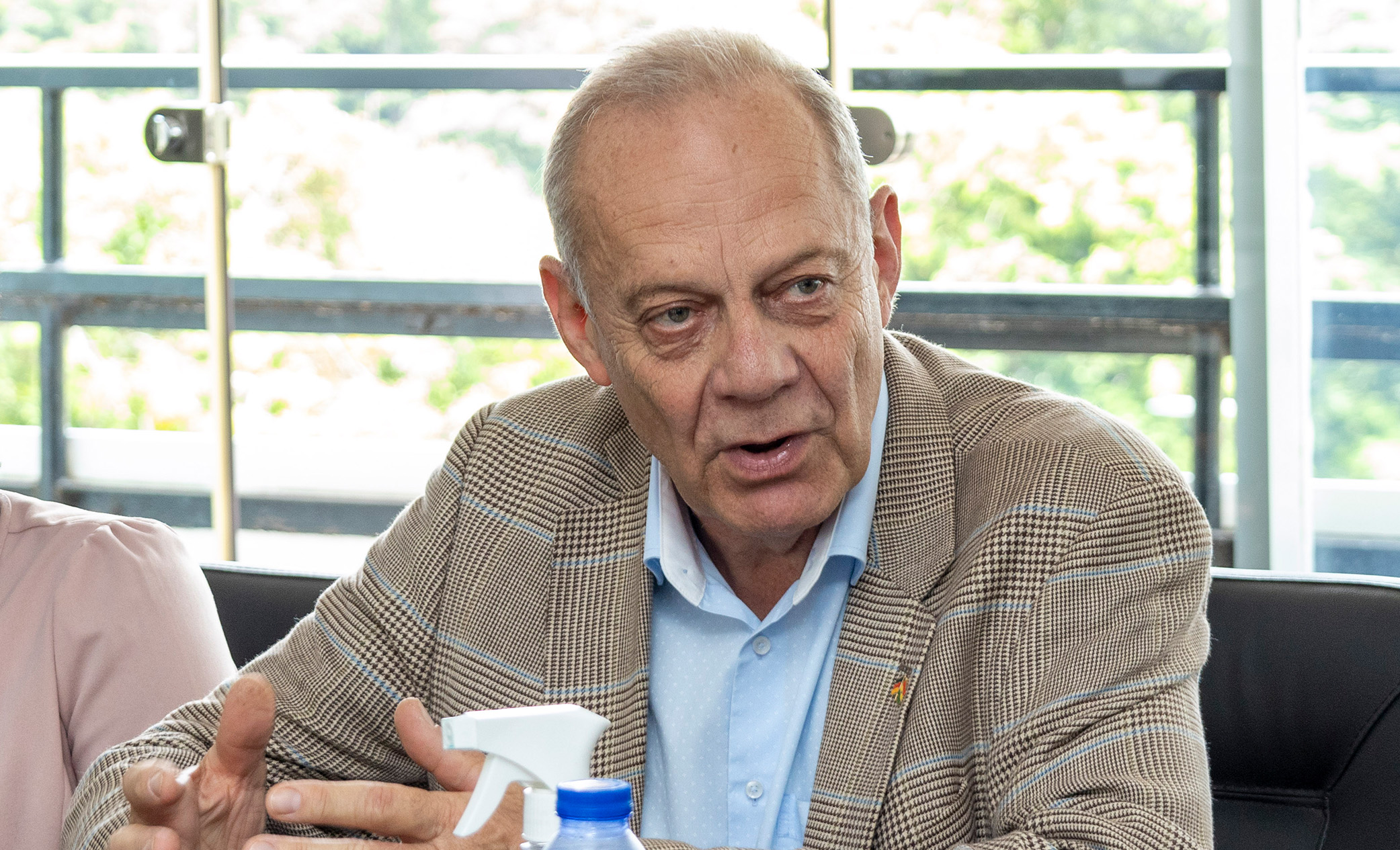
Professor Dr. Clemens Wollny, Strategic Advisor to the Programme, explained that the BioMex Certificate Programme is designed as an industry-responsive upskilling initiative.
“The Biomex programme is really to provide an upskilling programme to meet the needs of the labour market, to support the development of the pharmaceutical industry and vaccine development,” he stated.
He noted that the programme, which began conceptual development about four years ago, has already demonstrated strong impact in Rwanda, where over 100 graduates have successfully completed the training and are now employed. He further explained that Ghana was identified as a key expansion destination following a technical planning mission conducted in Kumasi.
Prof. Wollny stressed that the initiative is not a traditional academic programme, but a practical upskilling model focused on applied medical and pharmaceutical expertise.
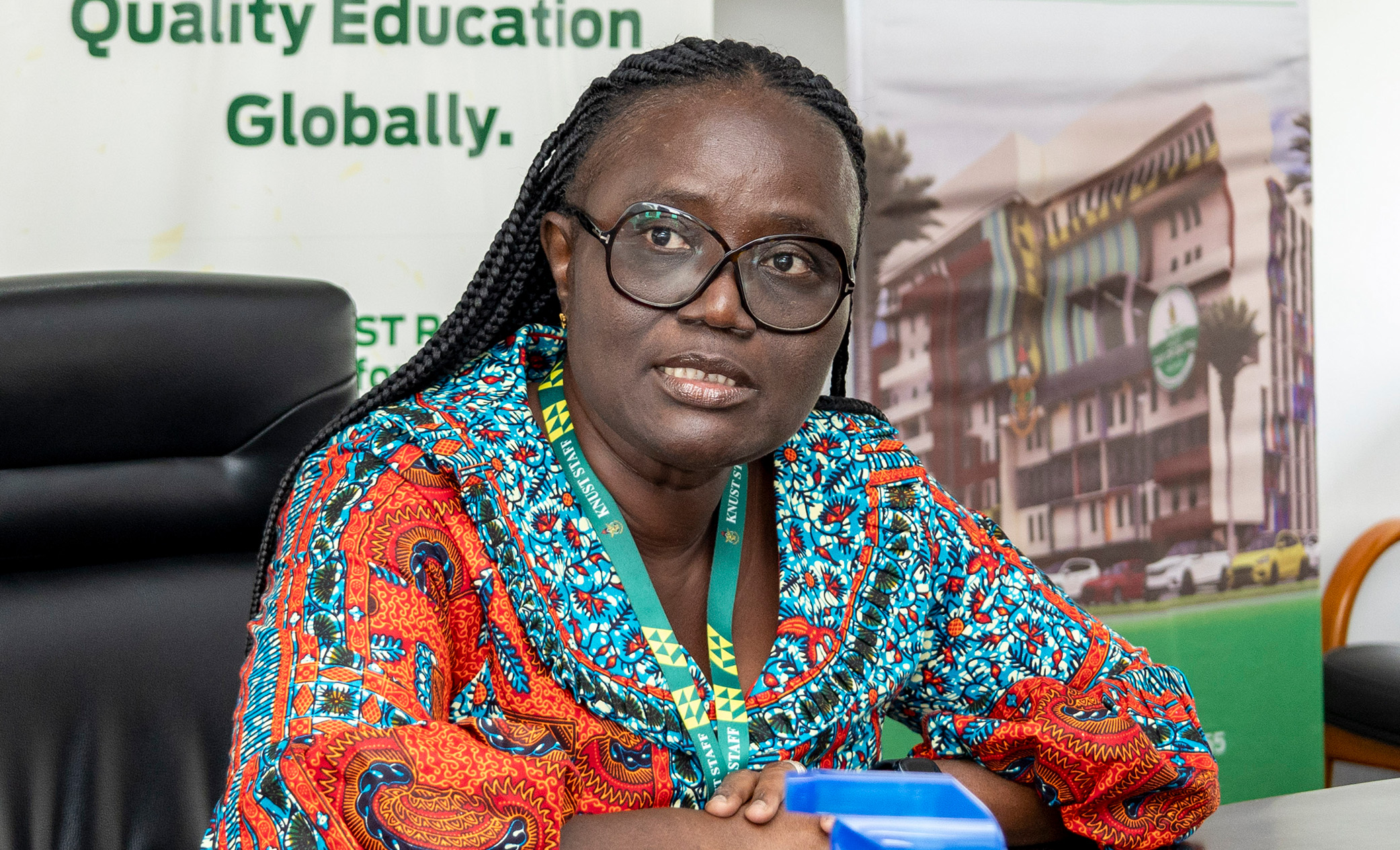
The Vice-Chancellor, Professor (Mrs.) Rita Akosua Dickson, reaffirmed the university’s commitment to collaboration and partnership as a core philosophy in addressing global challenges.
“As a science and technology institution, one of our philosophies is partnership. We have always believed that together we can do something,” she stated.
She emphasized that the success of such collaborations depends on continuous feedback from academia, industry, and students to ensure relevance and impact.
However, she cautioned that while KNUST is enthusiastic about signing MoUs, greater attention must be paid to implementation and sustainability.
Dr. Anna Kwarley Quartey of GIZ–PharmaVax Ghana stressed the importance of impact-driven partnerships and the need for sustainable funding models for the programme, especially as most projects are time-bound. She noted that the programme will also enhance student exchange and hands-on training for students.


