
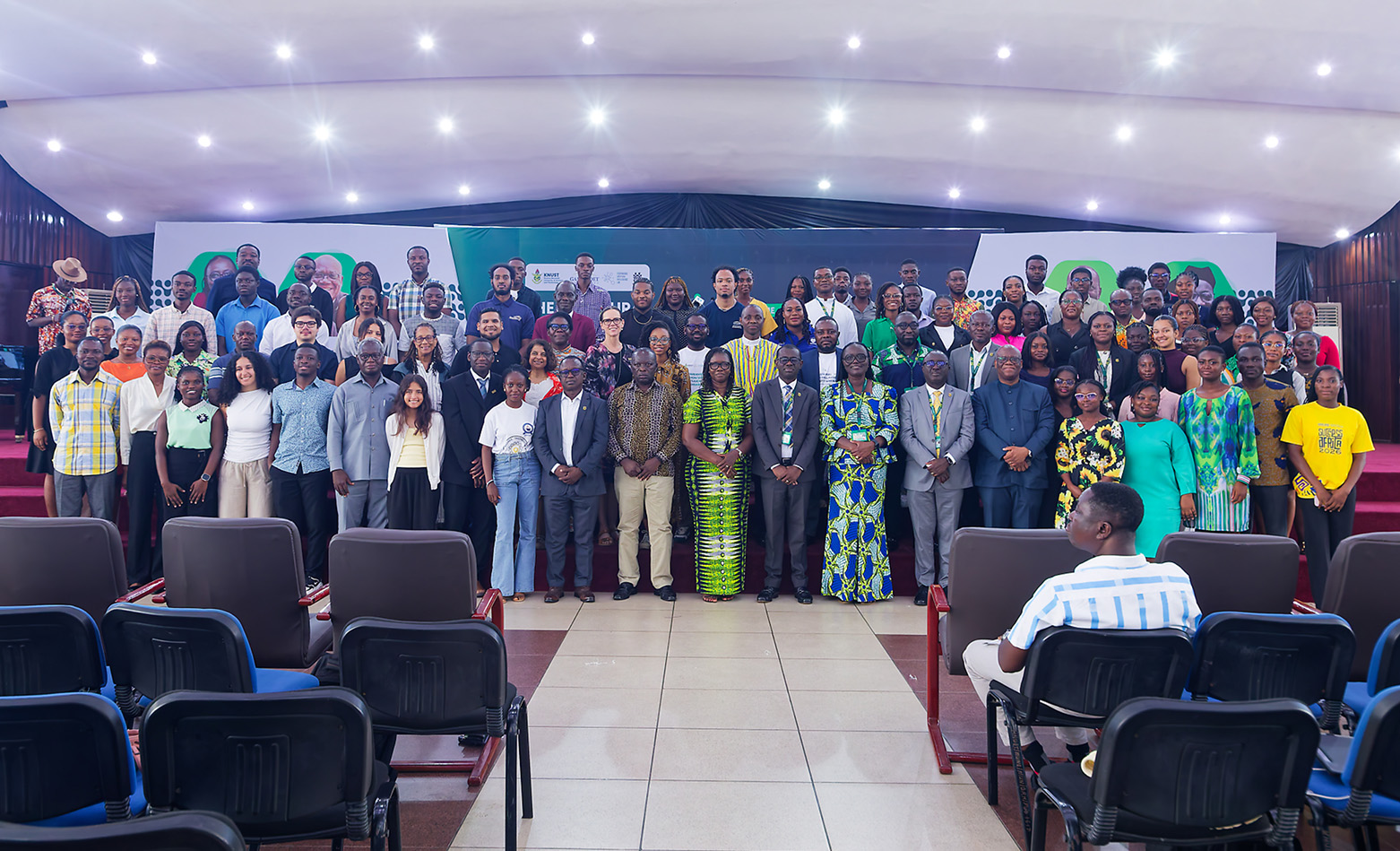
The Responsible Artificial Intelligence (RAIL) Lab at the Kwame Nkrumah University of Science and Technology, Kumasi (KNUST), together with the Department of Health Promotion and Disability Studies and Gallaudet University, hosted a seminar aimed at advancing accessibility, inclusive education and assistive technologies for people who are deaf or hard of hearing.
It was under the theme: “Beyond Words, Towards Connection”.
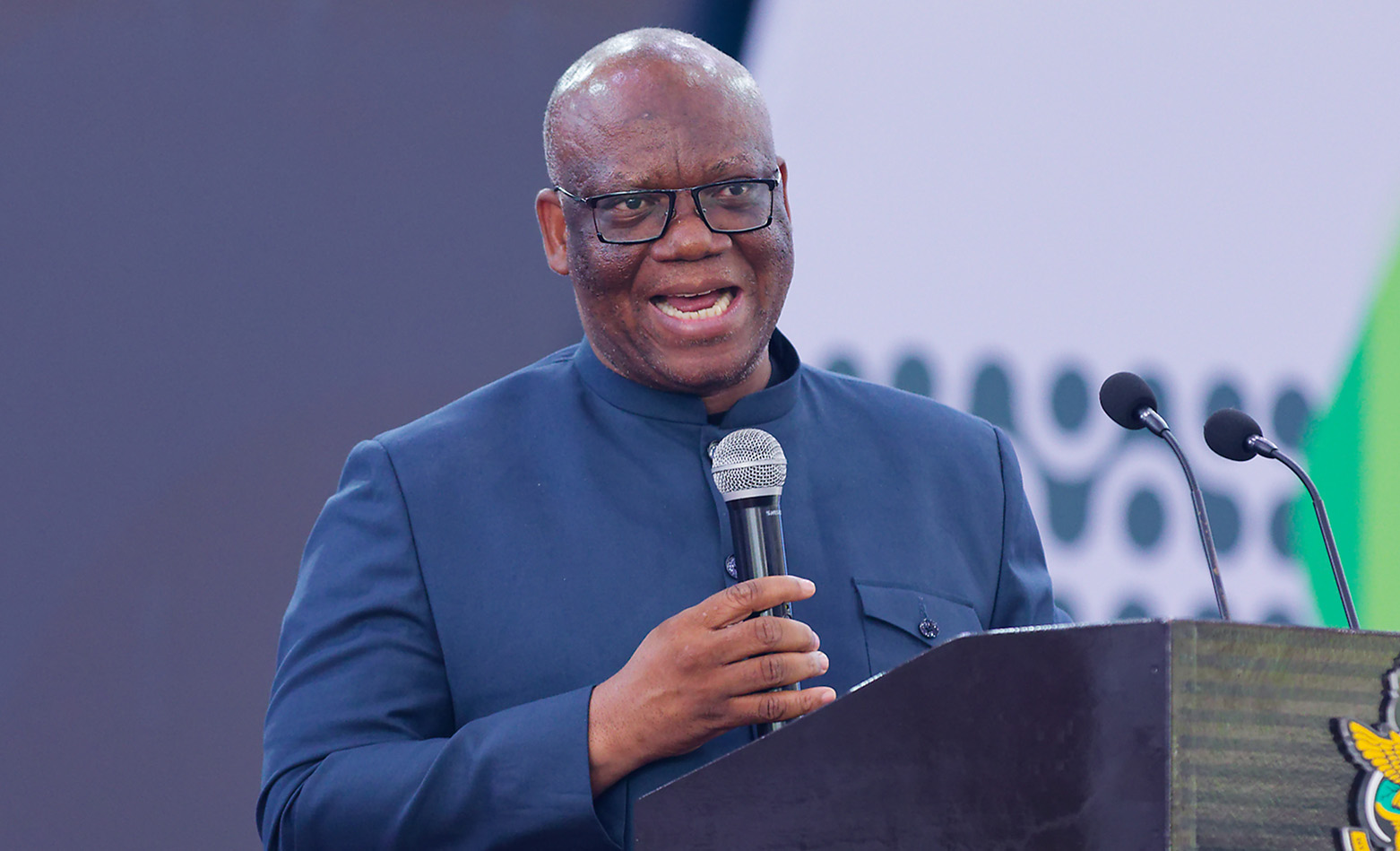
Principal Investigator of RAIL-KNUST, Professor Jerry John Kponyo, underscored the importance of leveraging artificial intelligence and inclusive innovation to bridge communication barriers and improve the quality of life for people with disabilities.
He said RAIL’s work aligns with Ghana’s National Artificial Intelligence Strategy and highlighted several assistive technologies being developed at KNUST, including SignTalk, SignConnect, iSEE, iWHEEL and iHEAR. According to Prof. Kponyo, the innovations are designed to promote accessibility, independence and inclusion for people who are deaf, blind or physically challenged.
“We are committed to breaking communication barriers and fostering total independence through a tiered approach,” he said.
Prof. Kponyo said meaningful inclusion requires collaboration among technology developers, disability experts and people with lived experience.
“Technical innovation alone is never enough. To create real-world solutions, technical expertise must be paired with deep domain expertise,” he said, adding that collaboration between KNUST, Gallaudet University and disability experts would help create practical and impactful solutions for inclusive development.
Prof. Kponyo also announced the establishment of the Quantum Computing and Assistive Technologies (QCAT) Lab, a dedicated hub for assistive technology research focused on developing next-generation solutions for people with disabilities.
Addressing participants, he said artificial intelligence must serve humanity and contribute to achieving the Sustainable Development Goals.
“We firmly believe that artificial intelligence is a profound tool meant to serve humanity and help achieve the United Nations Sustainable Development Goals,” he said. “As we look to the future, we are raising a generation of researchers who view inclusivity as a fundamental requirement, not an afterthought.”
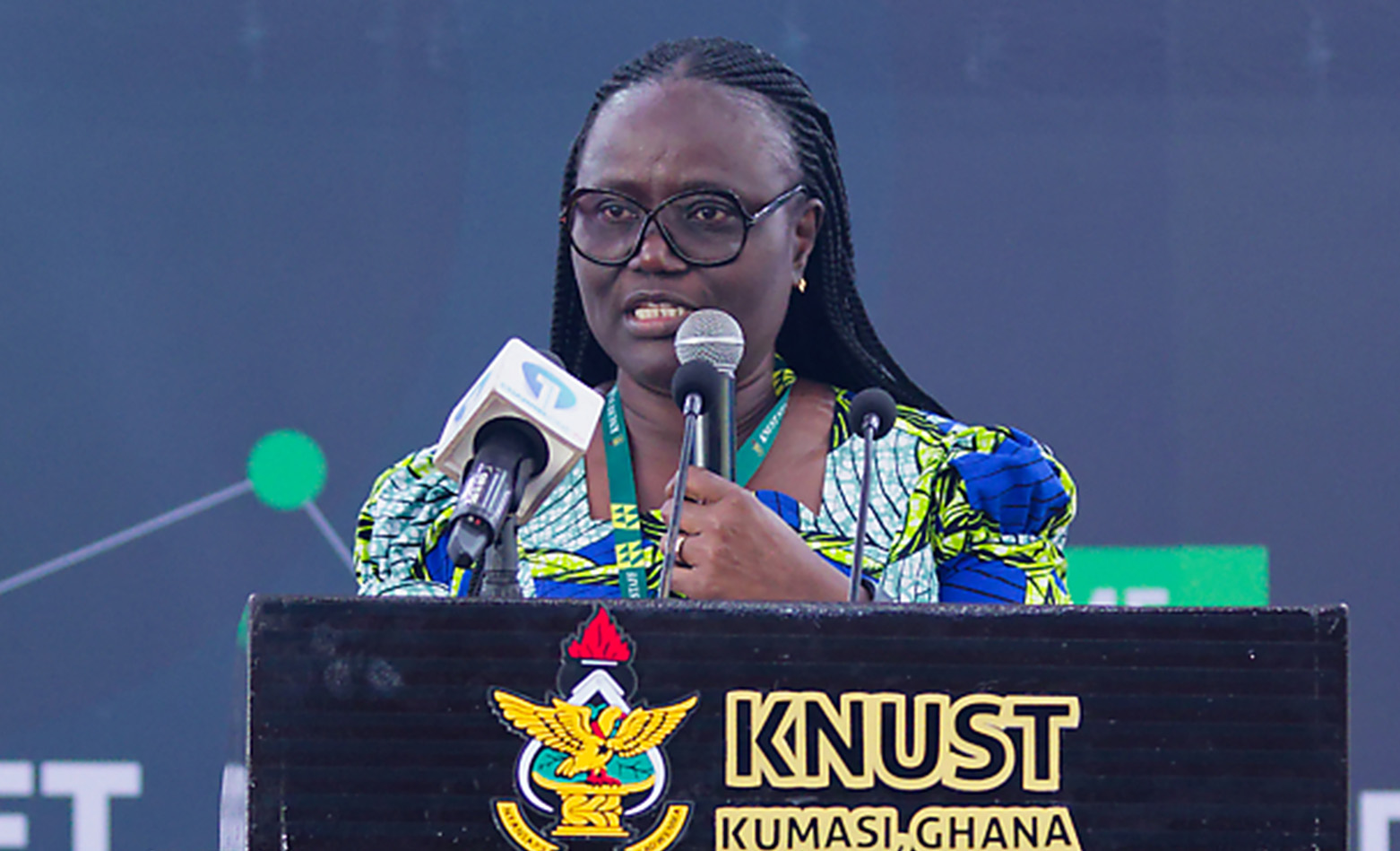
Vice-Chancellor of KNUST, Professor Rita Akosua Dickson, reaffirmed the university’s commitment to ensuring that no one is left behind, regardless of physical condition or background.
“At KNUST, we believe that no person should be left behind. Inclusion is not just a word; it is our character, our culture and our commitment,” she said.
Prof. Dickson said KNUST currently supports nearly 200 students with disabilities through interventions including accessible accommodation, assistive technologies, transportation systems and inclusive learning environments. She also acknowledged the support of development partners, particularly the Mastercard Foundation, for contributing to disability inclusion initiatives at the university.
She added that KNUST remains committed to creating opportunities for all students to thrive academically and contribute meaningfully to national development.
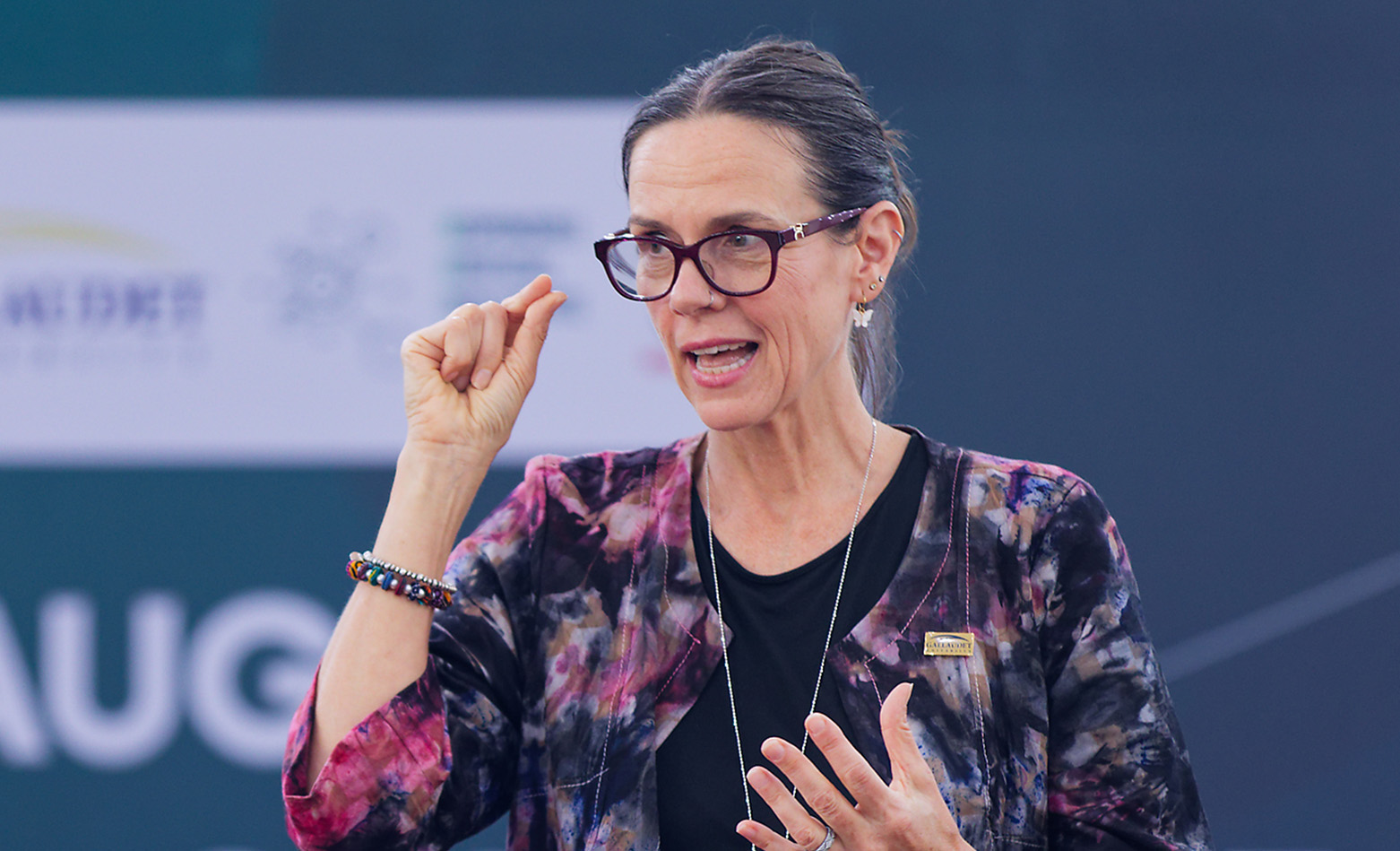
Ms. Amanda Mueller, representing the president of Gallaudet University, praised KNUST for its commitment to inclusive education and collaboration. She said Gallaudet remains a global leader in deaf education and expressed enthusiasm about strengthening partnerships with African institutions such as KNUST.
“This is our first education abroad in Africa, and we look forward to more collaboration and joint programs like this,” she said.
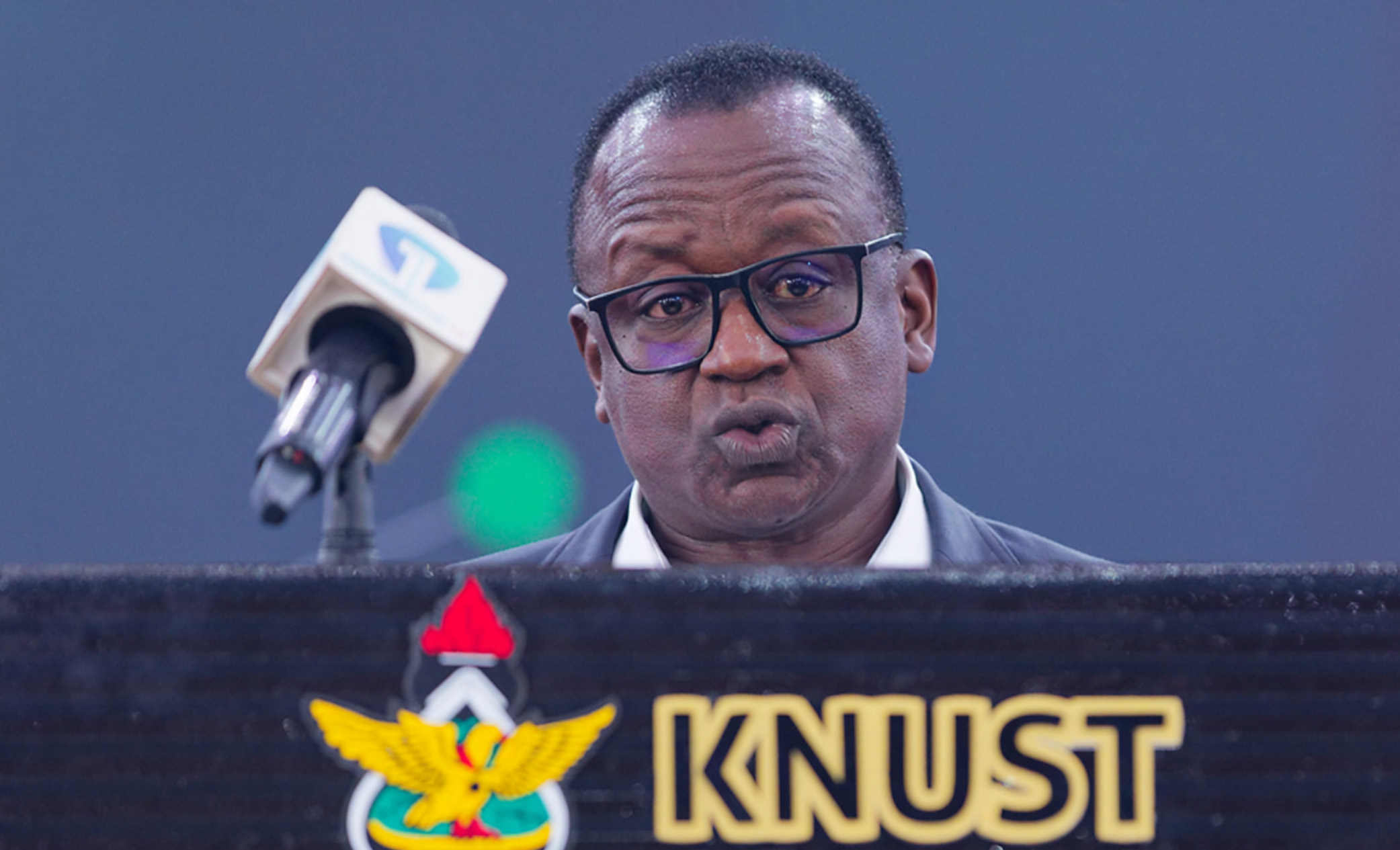
Dean of the School of Public Health, Professor Peter Agyei-Baffour, described the seminar as a major step toward strengthening collaboration and advancing inclusive education and accessibility for people who are deaf or hard of hearing.
“The theme challenges us to move beyond the limitations of communication barriers and embrace innovative approaches that promote participation and opportunity for all,” he said.
He said the Department of Health Promotion and Disability Studies continues to play a critical role in disability research, advocacy, teaching and community engagement in Ghana. Prof. Agyei-Baffour also expressed optimism that the partnership between KNUST and Gallaudet University would lead to improved institutional practices, greater policy influence and expanded opportunities for deaf people in education and society.
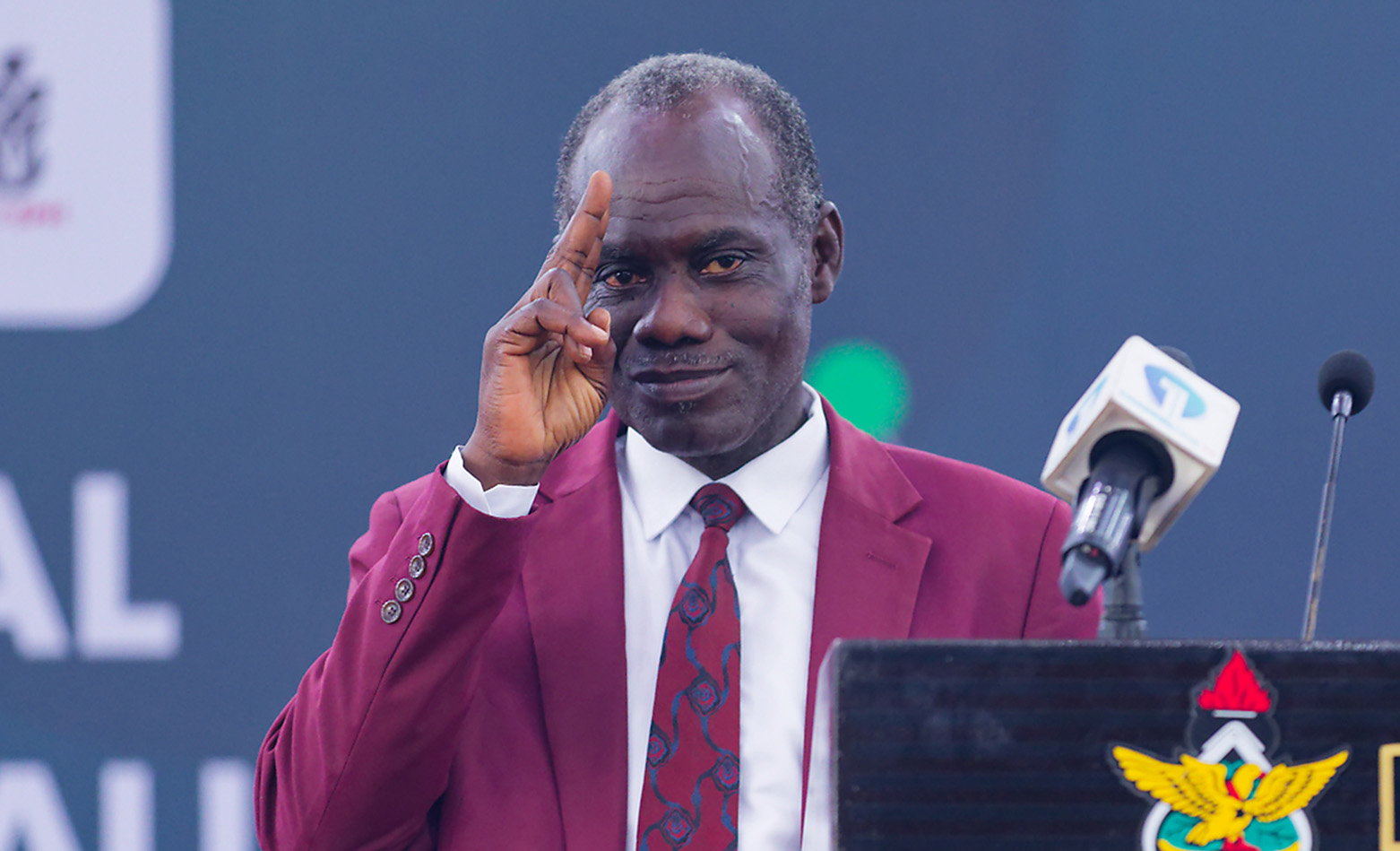
A representative of the Ghana National Association of the Deaf (GNAD), Mr. Paul Barfi highlighted the association’s advocacy for accessibility, sign language recognition and inclusive education for deaf people in Ghana.
The representative commended KNUST for creating opportunities for deaf students and promoting accessibility within the university community, while stressing the need for stronger representation of deaf people in decision-making processes.


