
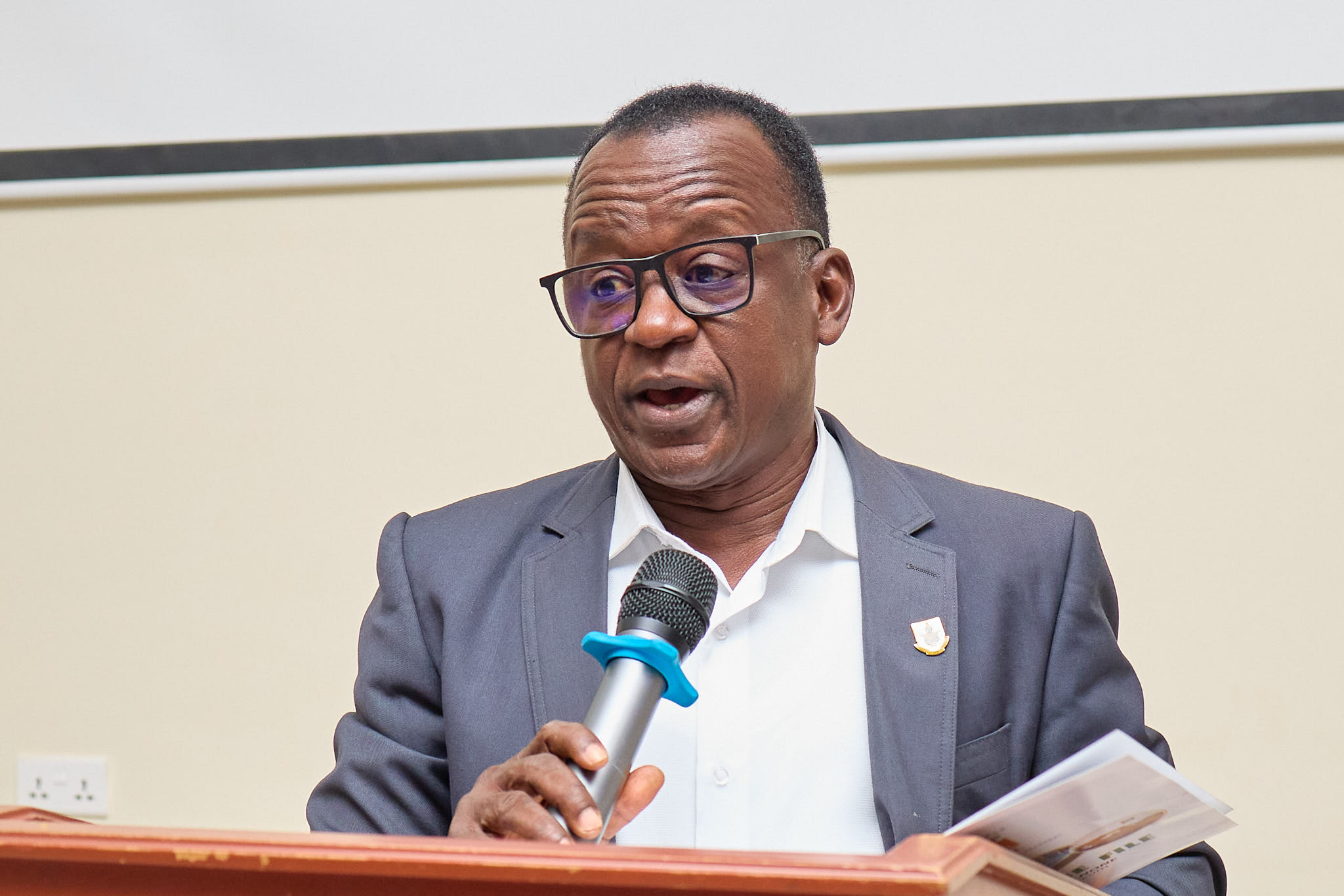
The Dean of the School of Public Health at Kwame Nkrumah University of Science and Technology, Kumasi Professor Peter Agyei-Baffour, has underscored the importance of primary healthcare in strengthening health systems and improving outcomes across Africa.
Speaking at the opening of the Quality Improvement (QI) Module 2 and Primary Health Care Financing short course organised under the African Health Collaborative (AHC), a four-day training programme, Agyei-Baffour described primary healthcare as “the bedrock of every effective health system.”
“Primary healthcare remains the first point of call for individuals, families, and communities. Therefore, improving primary healthcare means strengthening the health and future of nations,” he said.
Referencing the position of the World Health Organization, he said primary healthcare remains the most inclusive, equitable, cost-effective and efficient approach to improving people’s physical and mental well-being.
He said the short course comes at a time when healthcare systems worldwide continue to face increasingly complex challenges requiring adaptive leadership, innovation and practical solutions.
Prof. Agyei-Baffour said the QI Module 2 course was designed to deepen participants’ capacity to identify gaps within healthcare systems, implement practical interventions and promote continuous improvement in healthcare delivery.
He added that the Primary Health Care Financing module would equip participants with the knowledge and tools needed to better understand resource mobilisation and equitable financing mechanisms for healthcare delivery.
He urged participants to maximise the opportunity by actively engaging throughout the training and applying the knowledge gained within their institutions and professional settings.
“Each of you here has the ability to influence your institutions, the people you work with, and ultimately the health outcomes of the communities we serve,” he said.
“As African professionals, we must continue to invest in people, systems, research, and innovation. We must move beyond identifying problems to implementing sustainable solutions that improve healthcare delivery at all levels.”
Prof. Agyei-Baffour expressed optimism that the training would inspire innovation, strengthen participants’ resolve and advance quality healthcare delivery across the continent.
Also addressing participants, leads for the QI programme under the KNUST and University of Toronto partnership shared their expectations for the four-day training.

Dr. Margarita Kleopatra Lam Antoniades, a rep from U of T and a course facilitator for said she was excited by the diversity and quality of project ideas submitted by participants. Reflecting on a recent visit to the Kwame Nkrumah Mausoleum, she said she drew inspiration from the vision, courage and perseverance of Ghana’s first president.
“The triumph of having a clear and powerful vision, and the courage and perseverance to pursue it, was truly inspiring,” she said.
“As we embark on this journey of working on quality improvement projects, I invite you to also be inspired in the work you do within your facilities.”
Professor Mrs Mercy Opare- Addo, a course facilitator for said participants undertaking QI Module 2 were expected to finalise actionable projects during the four-day training and subsequently implement them within their facilities.
She described the health financing module as timely, particularly at a period when healthcare financing remains a significant global challenge.

The Provost of the College of Health Sciences at Kwame Nkrumah University of Science and Technology, Kumasi, Professor Christian Agyare, described the training programme as another milestone in strengthening primary healthcare systems, improving health outcomes and building resilient communities across Africa.
He acknowledged the contribution of collaborators from the University of Toronto, whose partnership, he said, continues to promote global knowledge exchange, innovation and practical expertise.
Prof. Agyare said healthcare transformation extends beyond policies and infrastructure, stressing that meaningful change depends largely on committed professionals dedicated to improving lives and strengthening healthcare systems.
“Each participant here represents hope for stronger healthcare delivery, better patient experiences, and more equitable access to quality care within our communities,” he said.
He urged participants not to underestimate the impact of small but strategic improvements within healthcare systems.
“A single improved process can save lives. A better financing decision can improve access for thousands. A motivated healthcare worker can transform an entire facility and community,” he said.
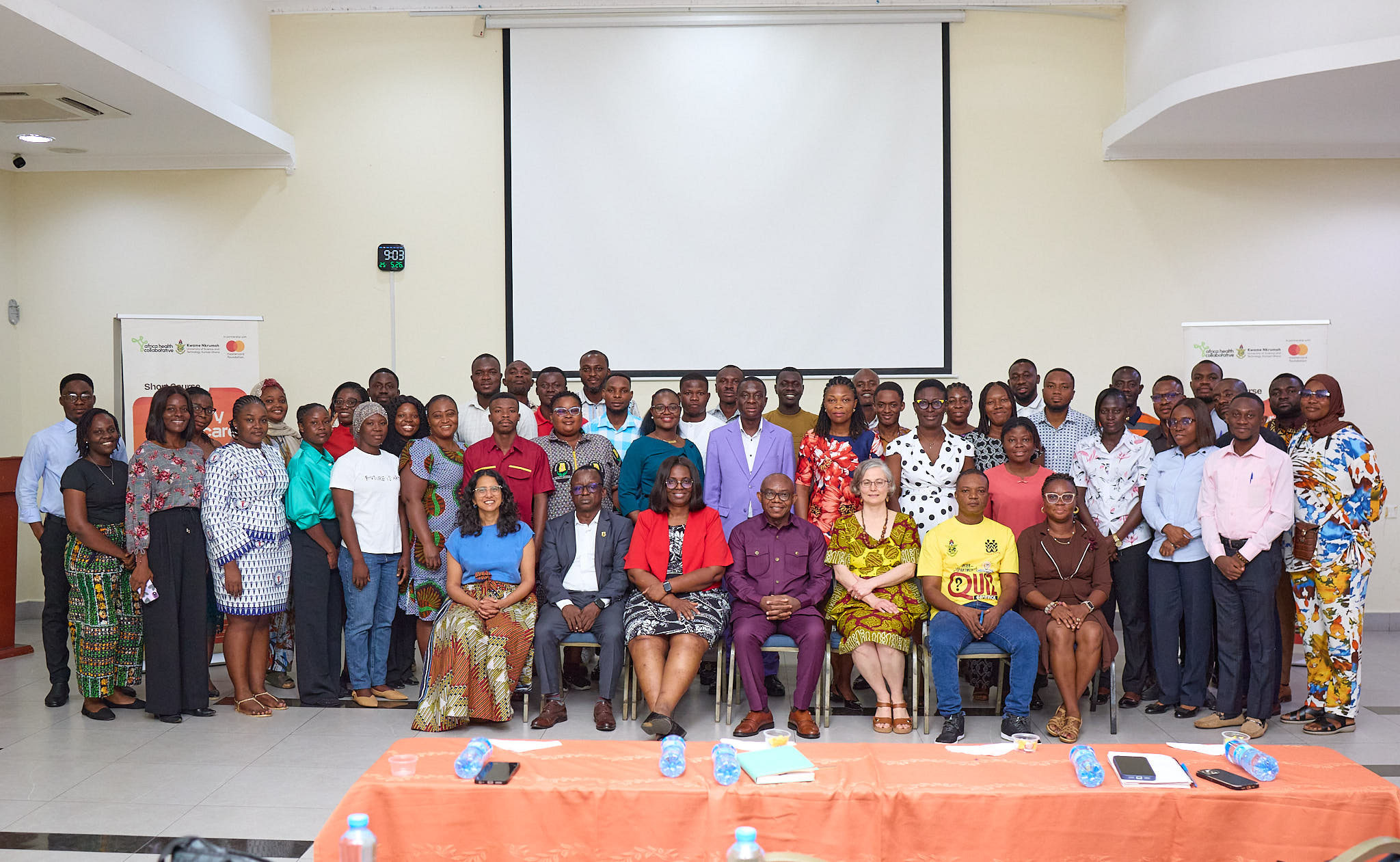
He encouraged participants to allow the training to inspire action, strengthen leadership, renew purpose and deepen commitment to excellence in primary healthcare delivery across Africa.


