
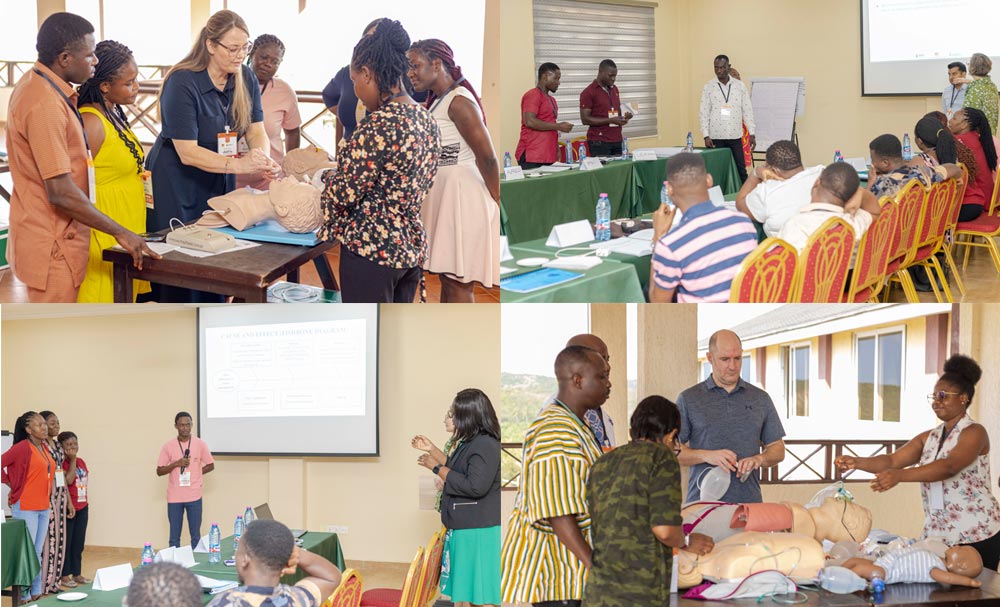
The Africa Health Collaborative at the Kwame Nkrumah University of Science and Technology, Kumasi (KNUST), in partnership with the University of Toronto, has completed training for the first cohort of participants in Health Quality Improvement (QI) Module 1 and Pre-Hospital Emergency Care (PEC) short courses.
The five-day QI Module 1 and four-day PEC training form part of the Collaborative’s effort to strengthen health systems through capacity building, leadership development and international academic partnerships.
Participants said the programmes were intensive and practical, with immediate relevance to their clinical work.
Those enrolled in the PEC course highlighted its hands-on approach and focus on life-saving skills.
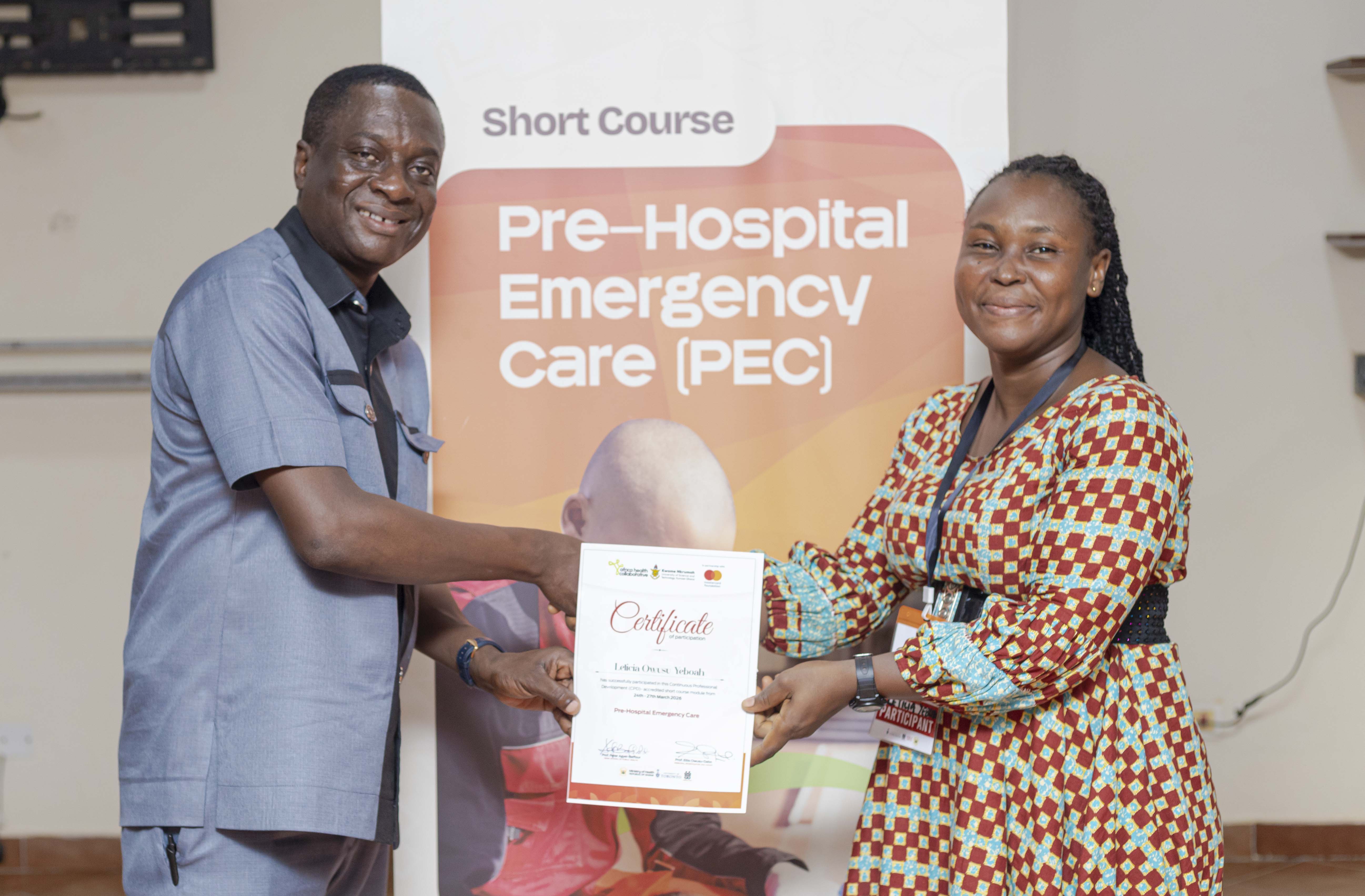
Ms. Leticia Owusu Yeboah, an emergency medical technician with the National Ambulance Service in the Akim Achiase District, said the training was both rigorous and rewarding.
“I was thrilled to be selected for this programme because it presented an opportunity to sharpen my skills in pre-hospital emergency care,” she said. “The training was highly intensive, with practical simulations and coordinated physical exercises.”
She said exposure to updated protocols, including the American Heart Association’s 2025 guidelines, improved her understanding of ventilation techniques using Bag-Valve-Mask (BVM) devices.
“We learned that effective ventilation is not just about chest rise, but understanding the type of BVM, the patient, and the appropriate volume of air. This is a critical life-saving skill I intend to share across my district,” she added.
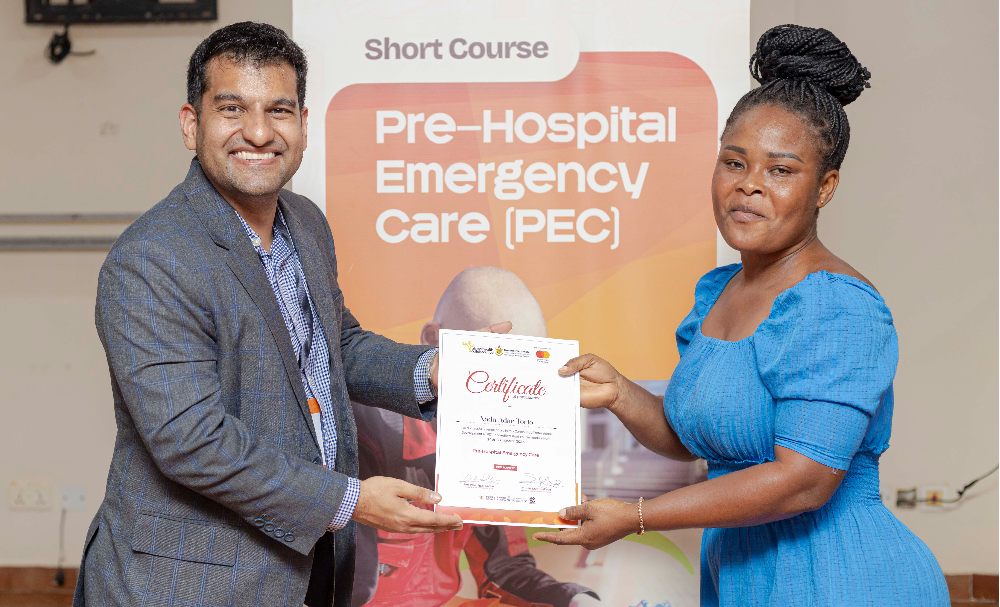
Ms. Nada Torto, a nurse at Shai-Osudoku District Hospital, said the training revealed gaps in existing practice.
“This training has been extremely helpful. While we had prior knowledge of some procedures, we realised many were not being done correctly,” she said, citing improvements in cardiopulmonary resuscitation (CPR) and compressions.
She added that the course covered emergency scenarios including stroke, choking, snakebite management, maternal emergencies and neonatal resuscitation.
Participants in the QI Module 1 course focused on improving healthcare delivery systems and patient experience.
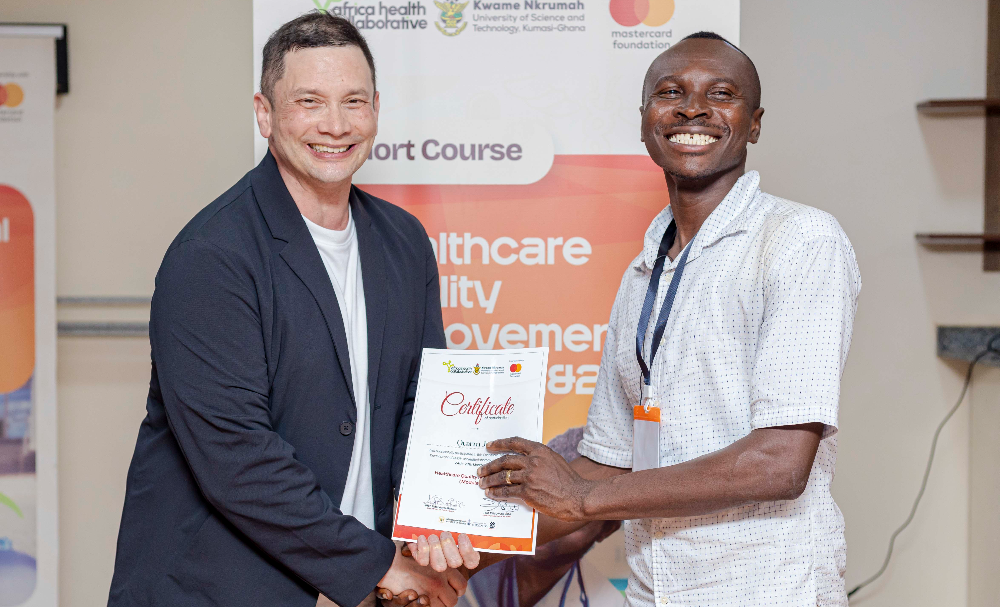
Mr. Joel Quarm, Head of Administration at Sefwi Wiawso Hospital, said the training emphasised that quality care extends beyond clinical outcomes.
“The programme reinforced that quality care goes beyond clinical outcomes. It is about dignity, respect, and exceeding patient expectations,” he said.
He said his facility plans to establish a dedicated quality improvement team to promote collaboration and continuous improvement.
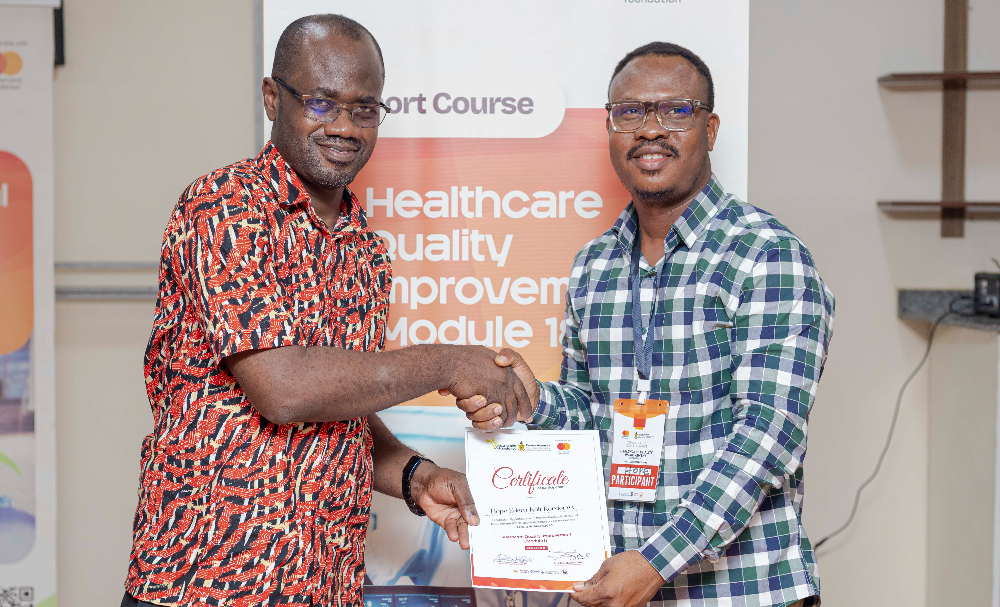
Mr. Hope Edem Kofi Kordorwu, a paediatric nurse specialist and Head of Nursing and Midwifery Services at Anloga Polyclinic, said the training strengthened his leadership and systems thinking skills.
“This course has equipped me with the knowledge to mentor healthcare professionals in evidence-based practice and lead quality improvement initiatives,” he said.
He added that he plans to apply the training to improve outpatient services, strengthen referral systems and enhance waste management as the facility transitions into a primary healthcare centre.
| Story | Photos: Emmanuel Offei |


