
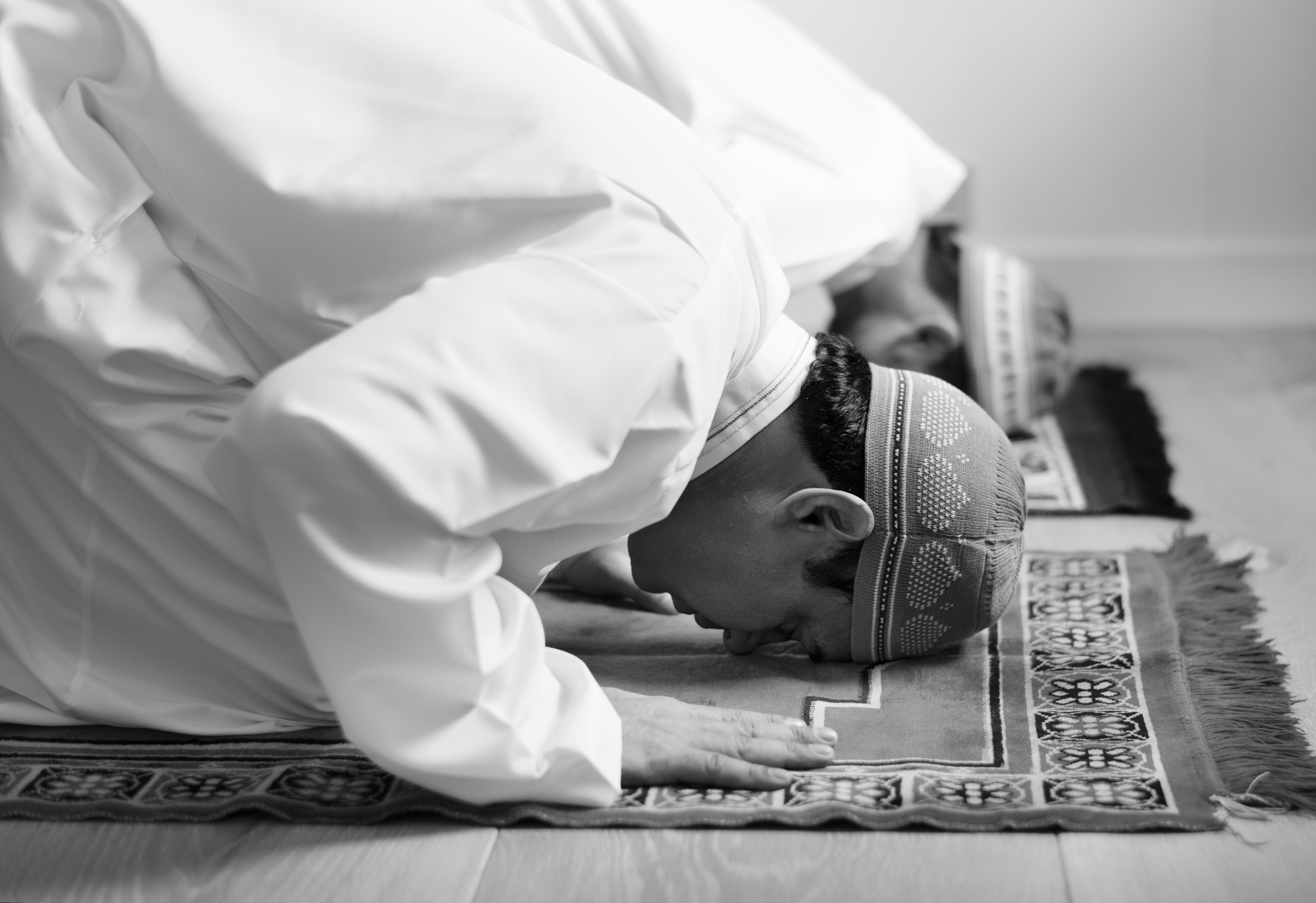
A common ritual of prayer in both Christianity and Islam could serve as a powerful bridge for fostering mutual respect and understanding between the two faiths, according to a study published in the E-Journal of Religious and Theological Studies.
Prayer, a central act of worship in both Christianity and Islam, provides a unique opportunity for interfaith connection by offering a shared spiritual language through which believers communicate with God, the study by Dr. Makafui M. Tayviah from the Department of Religious Studies has found.
The research highlights that despite doctrinal differences, both Christians and Muslims hold a common conviction that prayer strengthens the relationship between humanity and the divine. This shared belief, the researchers argue, can be leveraged to promote dialogue and harmony between the two religious communities.
According to the researcher, prayer in both traditions can take place privately or in communal settings, reinforcing its universal and adaptable nature. This flexibility makes it a practical tool for interfaith engagement, particularly in pluralistic societies where religious coexistence is essential.
The study further distinguishes between multireligious prayer where individuals from different faiths pray alongside one another in their distinct ways and interreligious prayer, which involves a more integrated and collective form of worship. Understanding these differences, the author notes, is crucial in designing inclusive and respectful interfaith prayer gatherings.
Importantly, the research outlines key considerations for organising such events, including sensitivity to doctrinal boundaries, mutual respect for differing practices, and clarity of purpose. When carefully structured, interfaith prayer sessions can move beyond symbolic gestures to become meaningful platforms for building trust.
| Story: Emmanuel Kwasi Debrah |


