
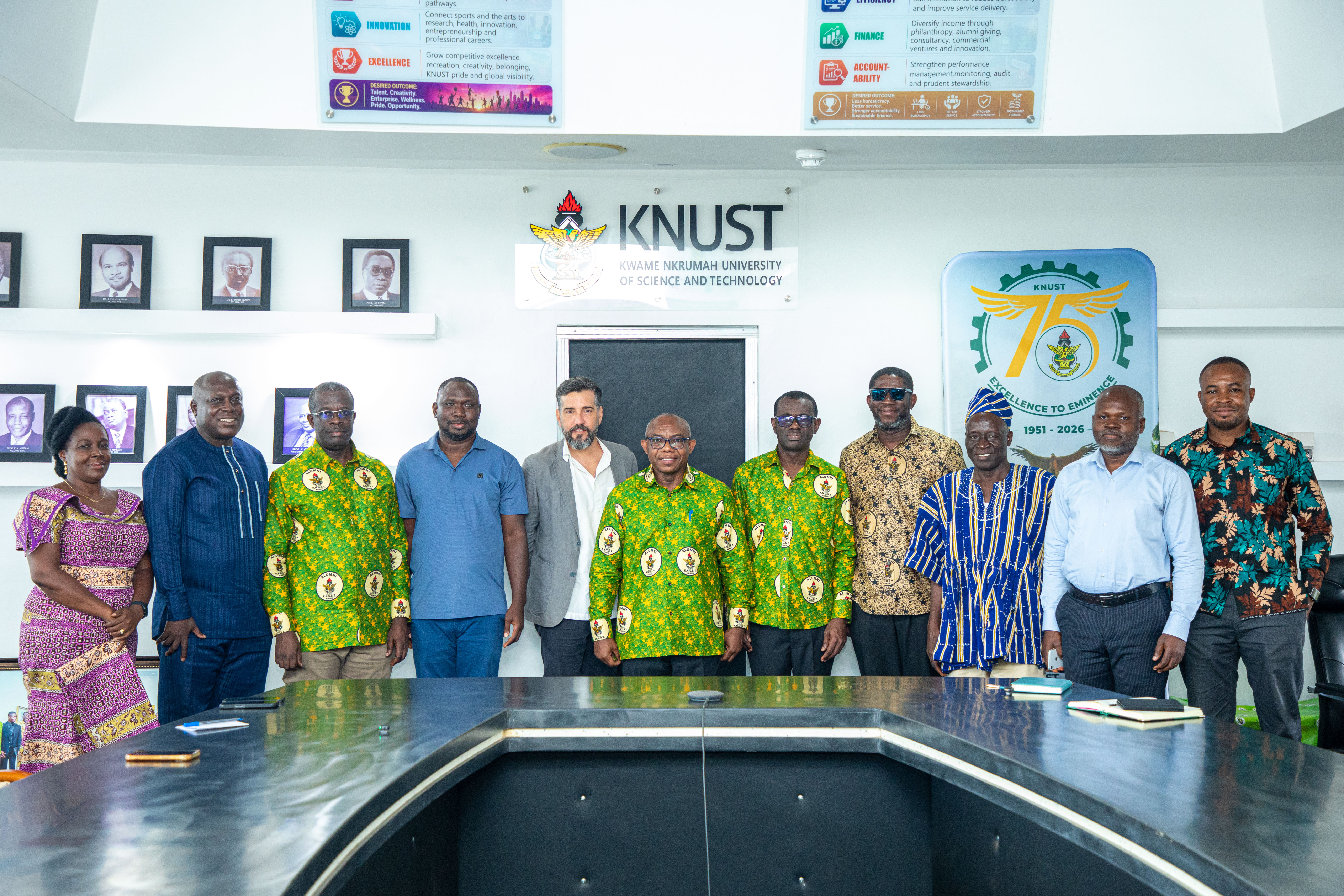
The Kwame Nkrumah University of Science and Technology, Kumasi (KNUST), and the World Bank are exploring opportunities to expand collaboration in urban planning, capacity development and knowledge sharing, building on their partnership to support the University of Liberia.
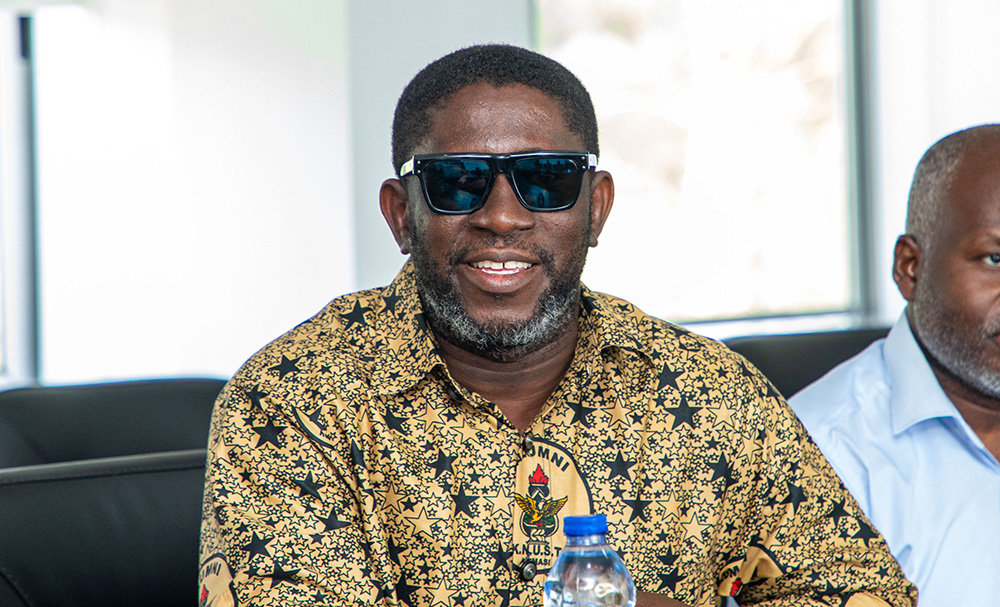
Professor Michael Poku-Boansi, Director of KNUST’s School of Graduate Studies, said the partnership began about two and a half years ago with World Bank-supported studies for a proposed Bus Rapid Transit system in Kumasi. KNUST’s Department of Planning conducted feasibility studies and assessed property values along the proposed corridor.
The collaboration later expanded to include the development of an undergraduate urban planning programme and capacity-building initiatives at the University of Liberia.
Professor Poku-Boansi said the World Bank delegation’s visit was intended to assess progress on existing engagements and explore opportunities for further collaboration.
Santiago Arias, a Senior Urban Specialist at the World Bank, commended KNUST’s expertise and stressed the importance of involving local universities in development projects.
“The discussion is not about trying to bring knowledge from abroad but basically trying to leverage the capacity which exists in the country, which is high-quality capacity,” he said.
Mr Arias said the bank was interested in expanding its engagement with universities and making greater use of local expertise. He proposed exploring a broader memorandum of understanding between KNUST and the University of Liberia to strengthen institutional cooperation and support urban planning education in Liberia.
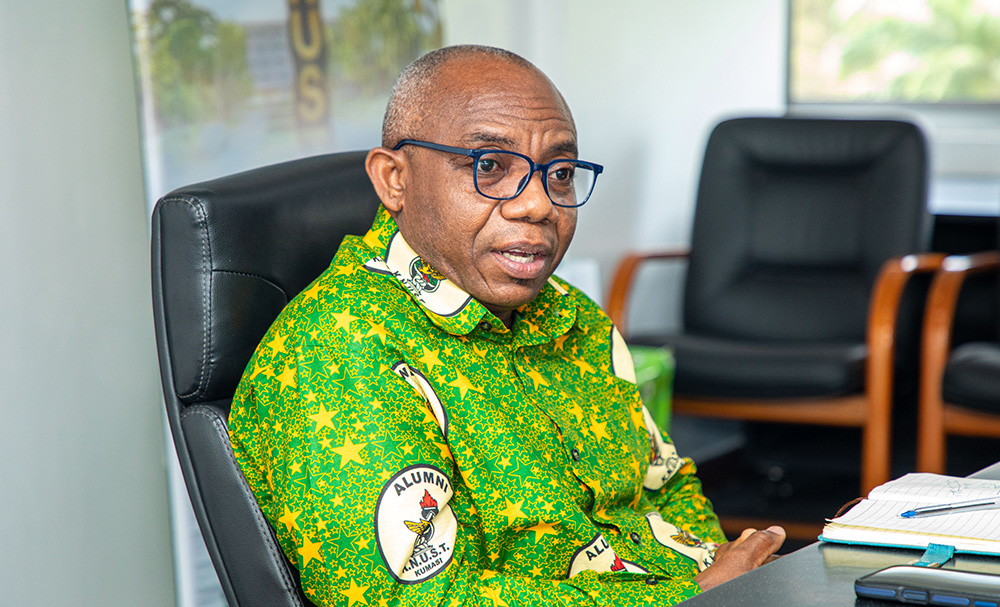
The Vice-Chancellor of KNUST, Professor Christian Agyare, welcomed the partnership, describing it as an example of South-South collaboration that allows African institutions to share expertise and build capacity.
“We appreciate that the World Bank recognises the University as having the capacity and the expertise,” he said.
Professor Agyare appealed for the bank’s support to develop the Department of Planning into a School of Planning and Spatial Science.
He said the proposed expansion would require infrastructure support to complement the university’s investment in human resources and strengthen its contribution to development across the sub-region.
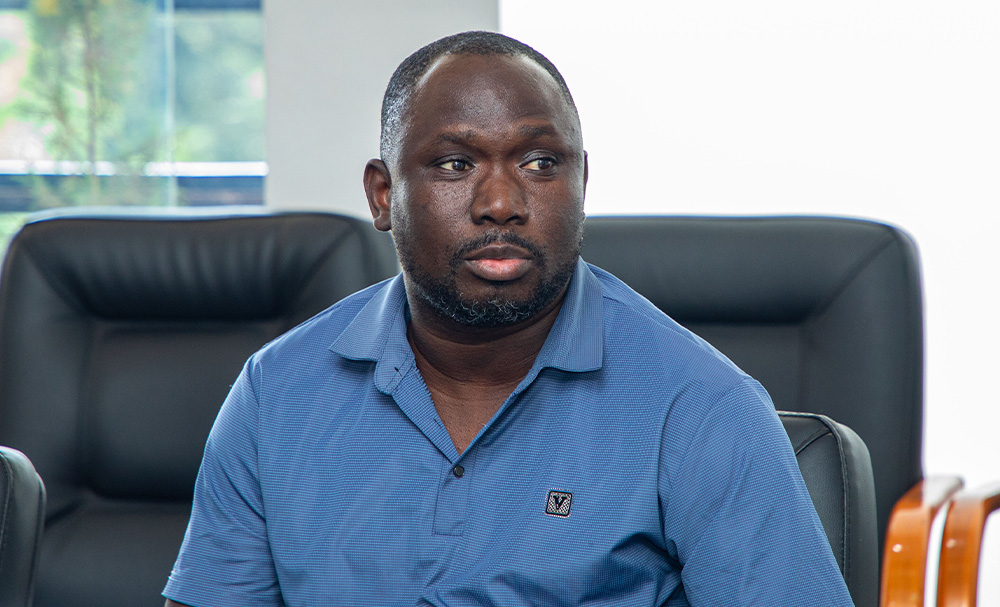
Abubakari Ahmed, an Urban Specialist at the World Bank, said the proposal had previously been considered under urban development initiatives but had been put on hold.
He encouraged KNUST to pursue it through direct engagement with the bank’s country leadership in Accra, saying collaboration with universities was an important part of its knowledge-sharing agenda.
Mr Ahmed also supported stronger ties between KNUST and the University of Liberia, saying a formal agreement could provide a foundation for further collaboration and funding opportunities.
Story: Belinda Opoku-Danso Photos: Isaac Kwaku Duah


