
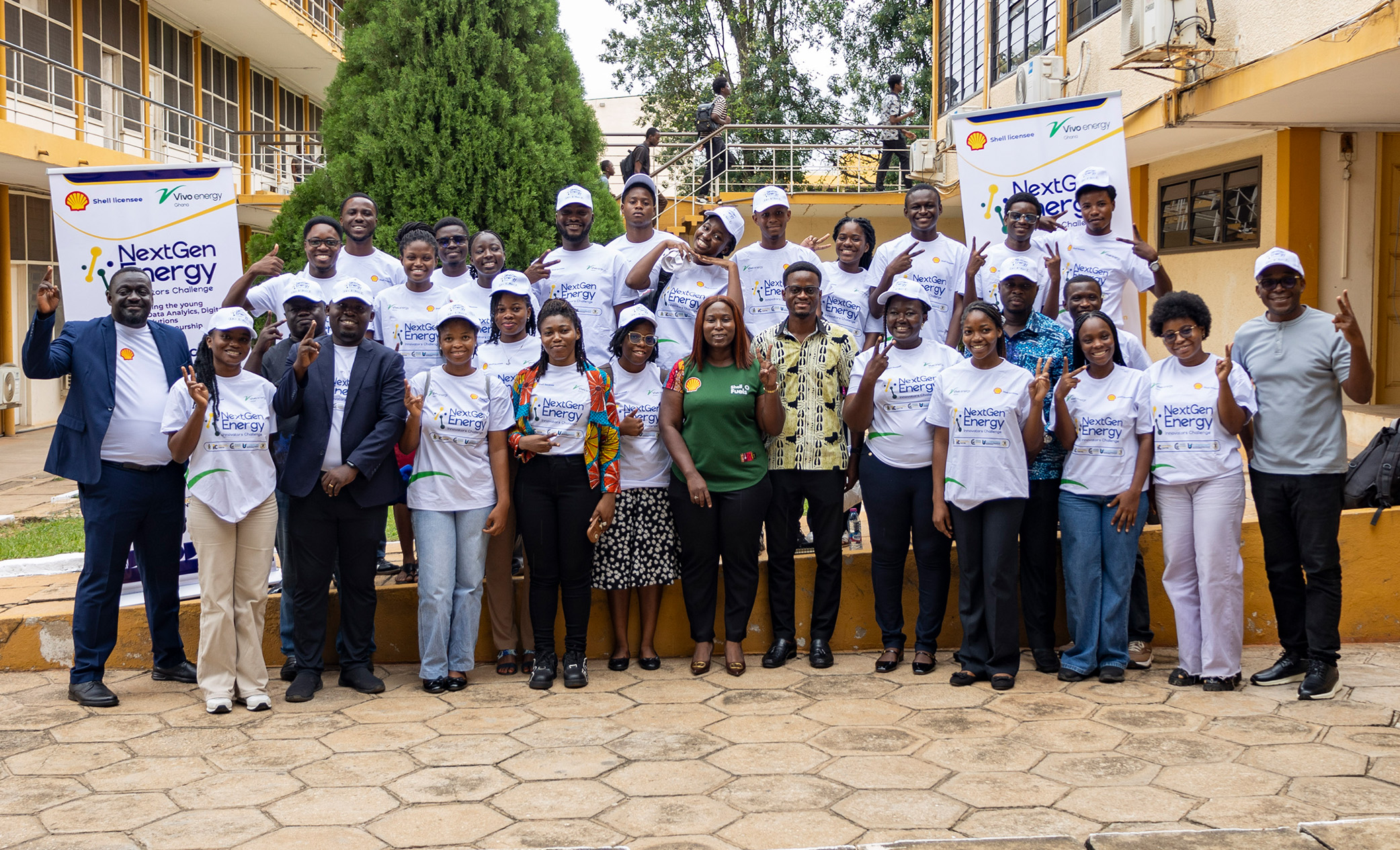
The Kwame Nkrumah University of Science and Technology, Kumasi (KNUST), in partnership with Vivo Energy Ghana, Shell Licensee, has held a kick-off meeting for the pre-pitching phase of the NextGen Energy Innovators Challenge 2026, bringing together students, faculty mentors and industry partners to officially commence the next stage of the innovation challenge.
The meeting marked the start of an intensive period of mentorship, training, and prototype development for six selected student teams whose ideas focus on solving real- world challenges in the energy sector through innovation, data analytics, and entrepreneurship.
The AquaSep team, made up of Clenda Achiaa Owusu, Juanita Da Pilma and Lucas Biiyin under the mentorship of Dr Elvis Twumasi, presented an underground system designed to separate water from fuel in storage tanks. The innovation seeks to address fuel contamination, which often leads to engine damage, fuel quality degradation and operational losses. The team believes the solution could help fuel retailers and storage operators reduce maintenance costs and minimise downtime.
Another team, Gaiaseal, comprising Regimanuel Akuetteh, Vida Adasi Birago and Esther Frimpong and mentored by Dr Patrick Boakye, introduced an environmentally friendly corrosion inhibitor made from bio-based materials for use in tank and facility coatings. The innovation aims to replace toxic chemical coatings with sustainable alternatives capable of extending the lifespan of storage infrastructure while reducing environmental risks.
The Nextfill team, represented by Ayisha Barihama, Clara Seyram Agbekey and Zahid Anaayele Musah under the guidance of Dr Jude Bonsu, proposed a digital forecourt management platform for filling stations. Their system focuses on real-time monitoring, sales tracking and operational management to reduce leakages and improve efficiency while providing operators with data-driven insights to boost profitability.
Mentored by Dr Emmanuela Kwao-Boateng, the Spectra X team, made up of Rimond Mensah, Kwasi Owusu Henaku and Kobi Apem Afriyie, showcased a portable fuel analyser for on-site fuel quality testing. The device is designed to quickly detect fuel adulteration and contamination without the delays associated with laboratory testing, offering a practical solution for regulators, distributors and retailers.
The Smart Fuel Forecourt Management team, consisting of Richmond Owusu Agyei, Franklina Arhinful and Veronica Ngmalbini Nakol under the mentorship of Dr Oliver Kornyo, introduced an integrated digital management system for filling stations. Their platform combines point-of-sale functions, inventory monitoring and reporting tools into one system to streamline operations, reduce manual errors and improve customer experience.
The Auto-pump team, made up of Abdul-Mumin Tahiru, Emmanuella Agyiriba Frimpong and Nartey Princessa under the mentorship of Dr Caspar Daniel Adenutsi, unveiled a fully automated fuel station solution that covers dispensing through to reconciliation. The team said the innovation is designed to minimise fraud and human intervention, lower operational costs and improve service efficiency through a seamless self-service experience.
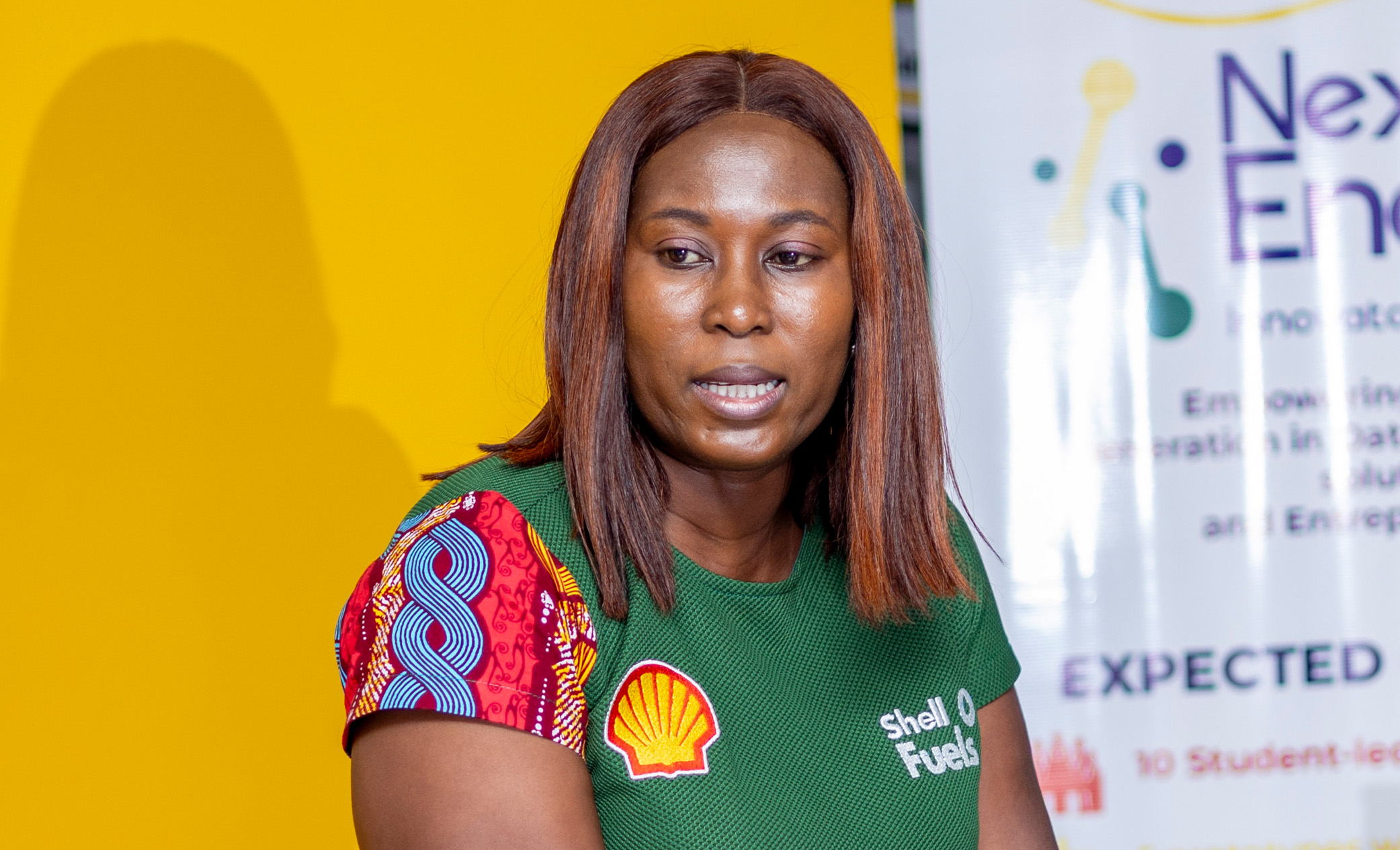
Shirley Tony Kum, Corporate Communications Manager of Vivo Energy Ghana, reaffirmed the company’s commitment to innovation and youth empowerment.
“At Vivo Energy Ghana, our vision is to become Africa’s leading and most respected energy business,” she said. “Achieving this vision means investing in people, supporting innovation and creating opportunities for the next generation to develop solutions that will transform our communities and continent.”
She noted that the challenge aligns with the growing importance of STEM education in driving innovation, sustainability, industrial growth and economic transformation. She encouraged participants to remain confident in their ideas and continue building practical solutions to real-world challenges.
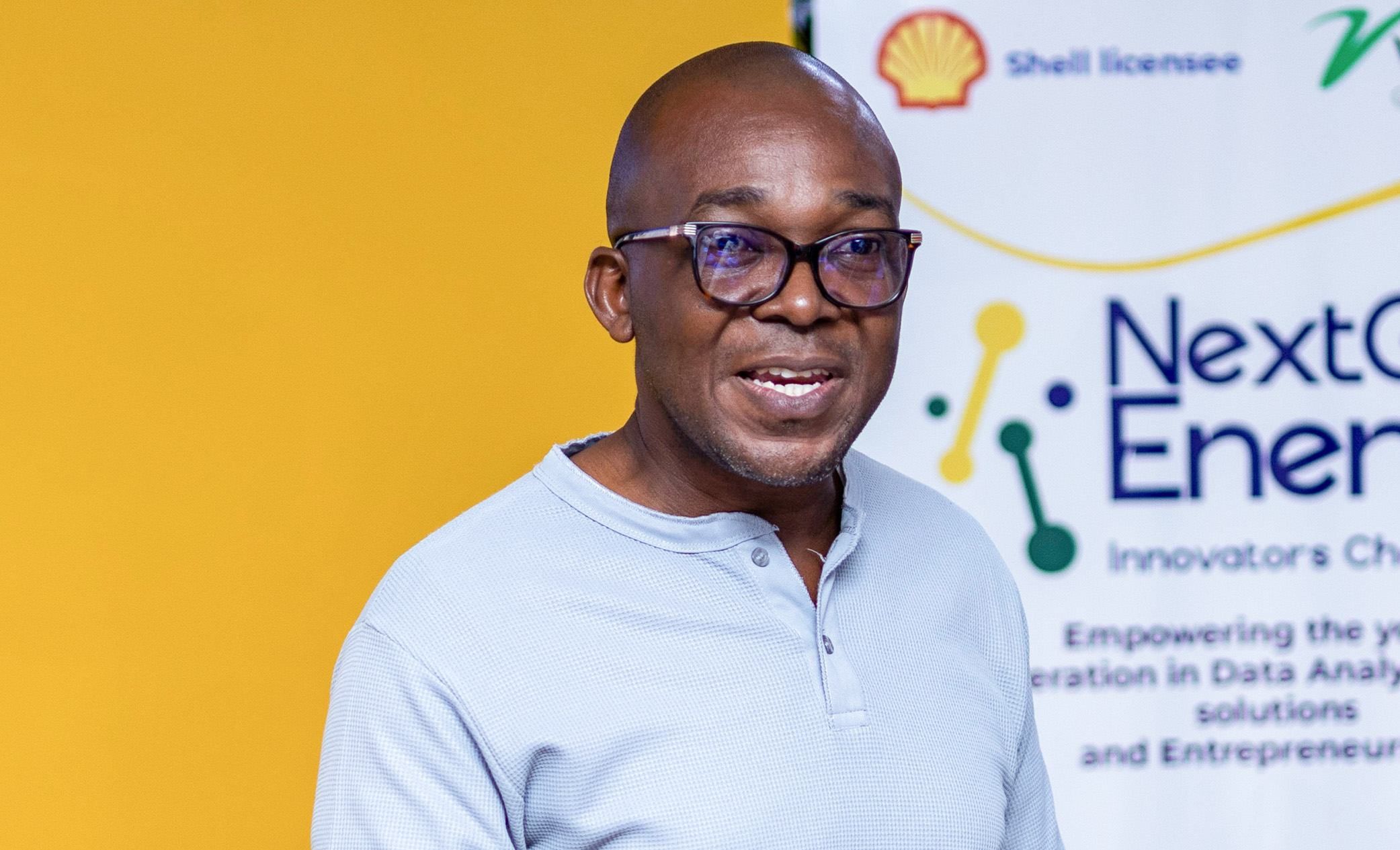
Innovation Manager for the initiative, Mr. Makafui Bedzrah, explained that the programme will run throughout the semester, with participants undertaking six training modules over ten weeks. The modules will cover design thinking, pitching, business model development, financial modelling using Microsoft Excel and Power BI, intellectual property and customer experience management. According to him, the programme has been carefully structured to help students balance their academic responsibilities while gaining practical entrepreneurial and technical experience.

Dean of the Faculty of Civil and Geo-Engineering at KNUST, Professor Kwaku Amaning Adjei, urged participants to see the challenge as more than just a competition.
“I encourage you to see this challenge not merely as a competition, but as a learning journey,” he said. “Be bold with your ideas, be curious, embrace teamwork and listen to feedback. Some of the most impactful innovations begin as simple ideas pursued with commitment and persistence.”
Professor Adjei also reaffirmed KNUST’s commitment to strengthening collaboration between academia and industry to advance engineering education, entrepreneurship and applied research.

Dr Kwame Sarkodie, Principal Investigator for NextGen Innovators Challenge, emphasised that the initiative extends beyond funding and awards.
“This is not just about winning,” he said. “It is about catalysing ideas, self-development and creating opportunities. We want students to build solutions, develop skills and potentially become entrepreneurs serving the energy industry.”


