
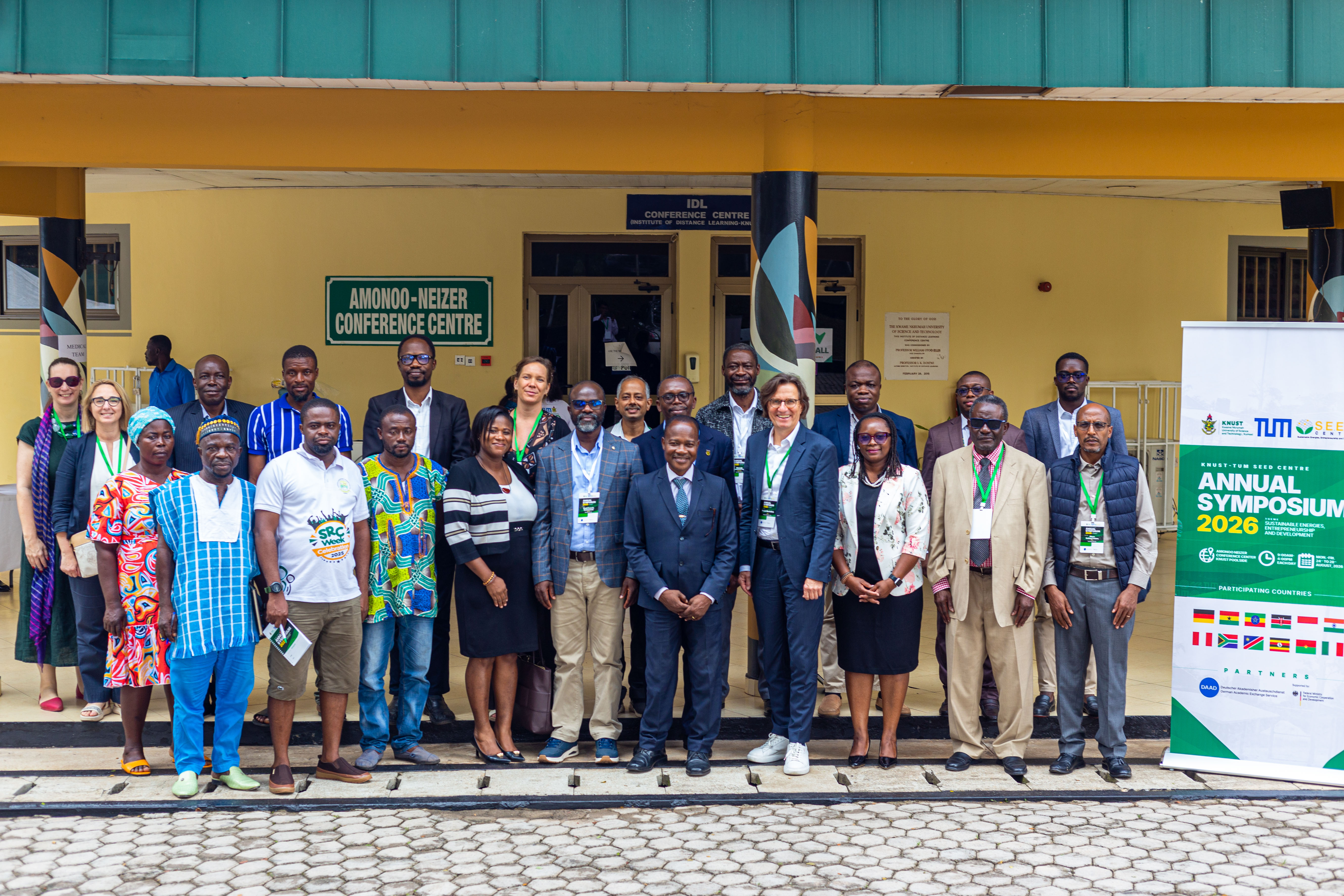
The Kwame Nkrumah University of Science and Technology, Kumasi (KNUST) together with the Technical University of Munich (TUM) SEED Centre, has hosted the 2026 Annual Symposium with a call for stronger research collaboration and innovation to address sustainable energy and development challenges in the Global South.
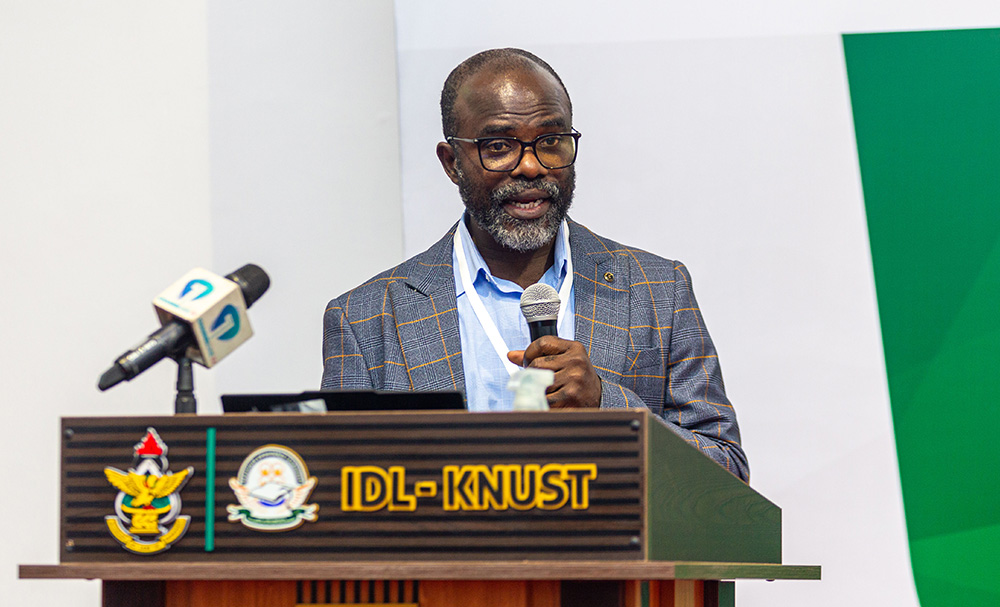
Opening the symposium, the Scientific Director of the KNUST SEED Centre, Professor Francis Kemausuor, expressed appreciation to participating universities for their continued commitment to advancing research, innovation and academic collaboration.
He said the symposium provided an opportunity to showcase research findings and collectively explore solutions to pressing global challenges, particularly in sustainable energy development.
Professor Kemausuor encouraged participants to actively engage in the discussions, share ideas and use the gathering to build new collaborations beyond the symposium.
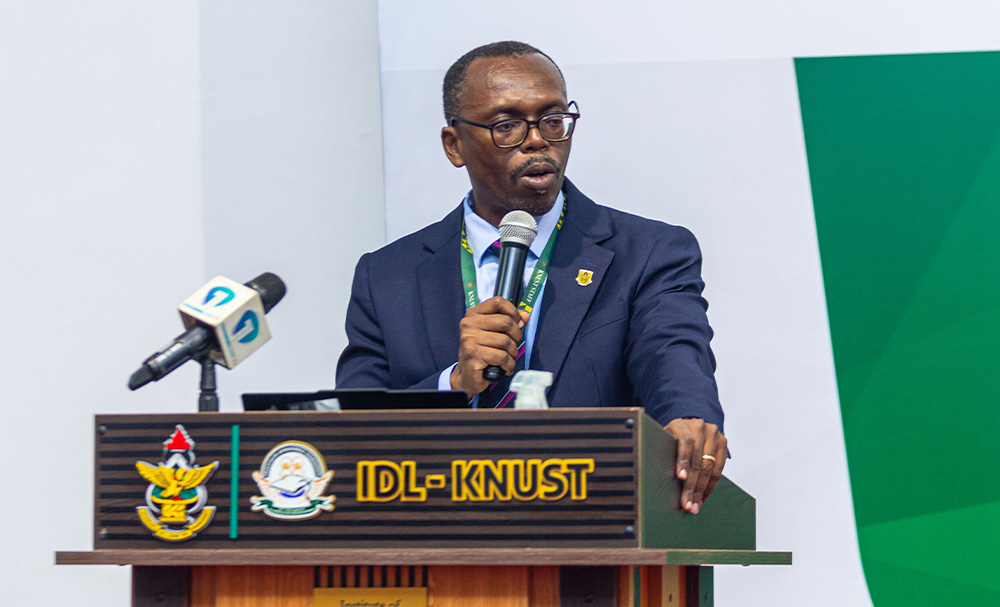
Representing the Vice-Chancellor, Professor Christian Agyare, the Provost of the College of Health Sciences, Professor Fred Stephen Sarfo, described the KNUST-TUM SEED initiative as a demonstration of the impact of international collaboration in tackling global challenges.
“This SEED project exemplifies the power of international collaboration in addressing pressing global challenges while creating opportunities for growth and development in the Global South.”
Professor Sarfo highlighted the centre’s contribution to research capacity, academic exchange and community development, particularly the establishment of a solar-powered living laboratory at Yeboakrom.
He said the intervention demonstrated how research and innovation could deliver tangible benefits to communities by improving access to reliable energy and creating opportunities for economic empowerment.
“By making reliable electricity available, the project supports local enterprises, enhances livelihoods and creates new avenues for entrepreneurship,” he said.
He called for sustained investment in human capital and stronger partnerships to address climate change, energy access and sustainable development challenges.
Professor Sarfo, on behalf the Vice-Chancellor expressed appreciation to TUM, DAAD, partner universities, researchers, students and other stakeholders whose contributions had supported the growth of the initiative.
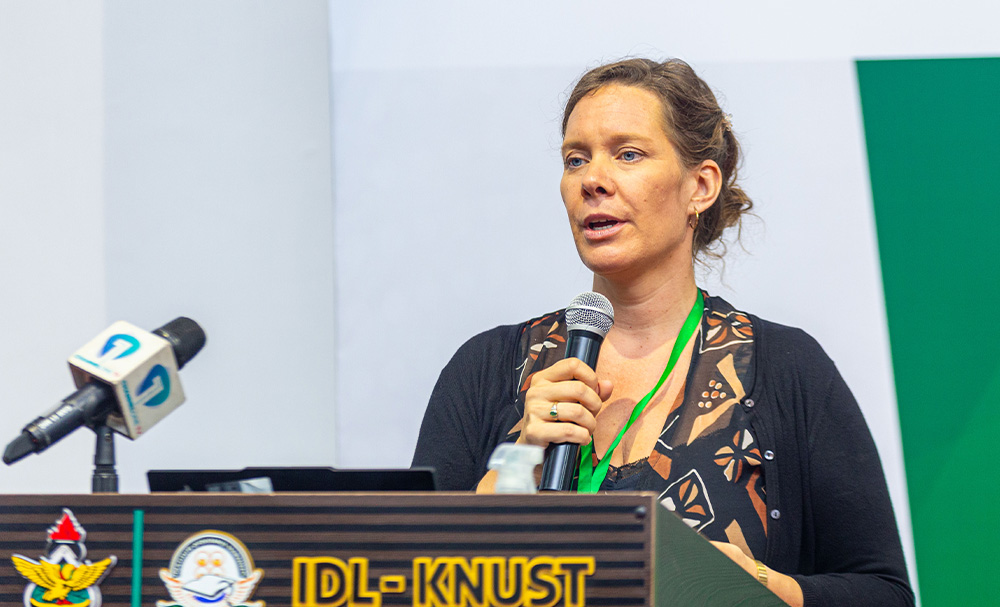
The Director of the DAAD Regional Office Accra, Ms. Anna-Lena Leumer, reaffirmed the organisation’s commitment to international academic cooperation and encouraged researchers and students to take advantage of its funding and exchange opportunities.
“Funding from DAAD does not only come through project funding such as this one, but it also comes to individual funding,” she said.
Ms. Leumer said the changing global development financing landscape required international partnerships to increasingly demonstrate mutual benefits for participating countries and institutions.
She cited the KNUST-TUM SEED Centre as an example of a collaborative model that brings together international partners around shared interests in sustainable energy and entrepreneurship. She encouraged participants, particularly those interested in studying or undertaking research in Germany, to seek information on DAAD opportunities available in their respective countries.
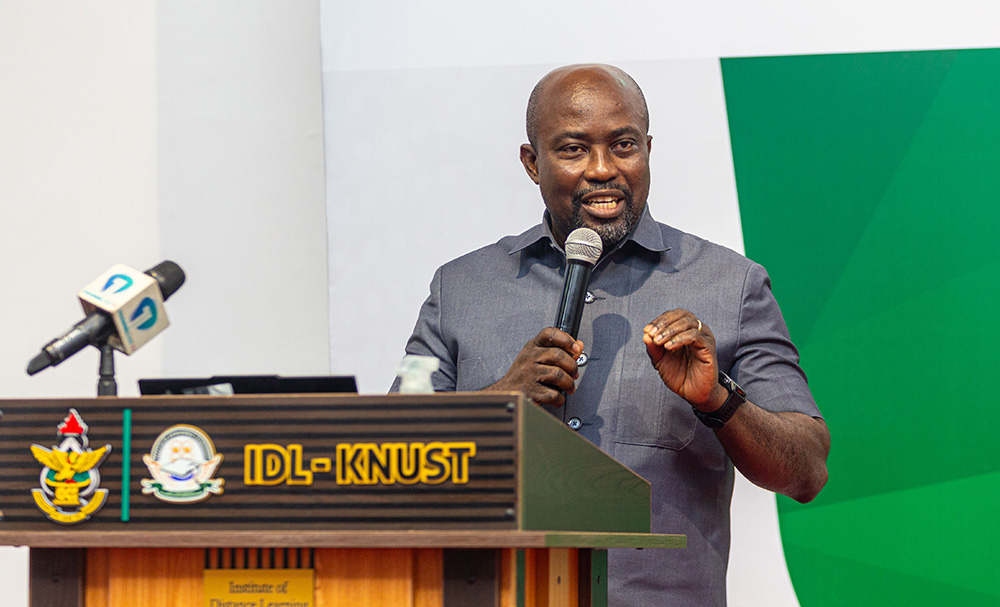
Speaking on “The Energy Transition: Renewables at the Heart of Ghana’s Just Shift,” The Technical Advisor to the Minister on Renewable Energy and Green Transition at the Ministry of Energy and Green Transition, Ing. Seth Mahu, emphasised the central role of renewable energy in Ghana’s development agenda.
“Ghana’s energy transition must simultaneously address climate sustainability, energy security and economic prosperity,” he said.
Ing. Mahu highlighted significant opportunities in Ghana’s renewable energy sector, particularly in solar energy, irrigation, street lighting and mini-grid development, and disclosed that the country would require about US$7 billion in investment over the next five years to meet its targets.
He called for closer collaboration between academia, government and industry, particularly in research, innovation and the development of technologies that respond to industry needs.
“We cannot be talking about all these things and not place emphasis on innovation, research and development. This should be a deal for the industry,” he added.
Ing. Mahu encouraged academic institutions to pursue research that could be translated into practical solutions and contribute to the growth of Ghana’s renewable energy sector.
He further called for innovative financing mechanisms, effective policy implementation and competitive, transparent procurement processes to attract greater private-sector participation.
The Director urged universities and researchers to take advantage of emerging opportunities within Ghana’s renewable energy and energy transition ecosystem.
“We encourage you to work with us, we encourage you to challenge us, we encourage you to explore all the opportunities we have in the Renewable Energy Investment and Energy Transition Fund.”
Story: Abigail Ofori Photos: Isaac Kwaku Duah


