
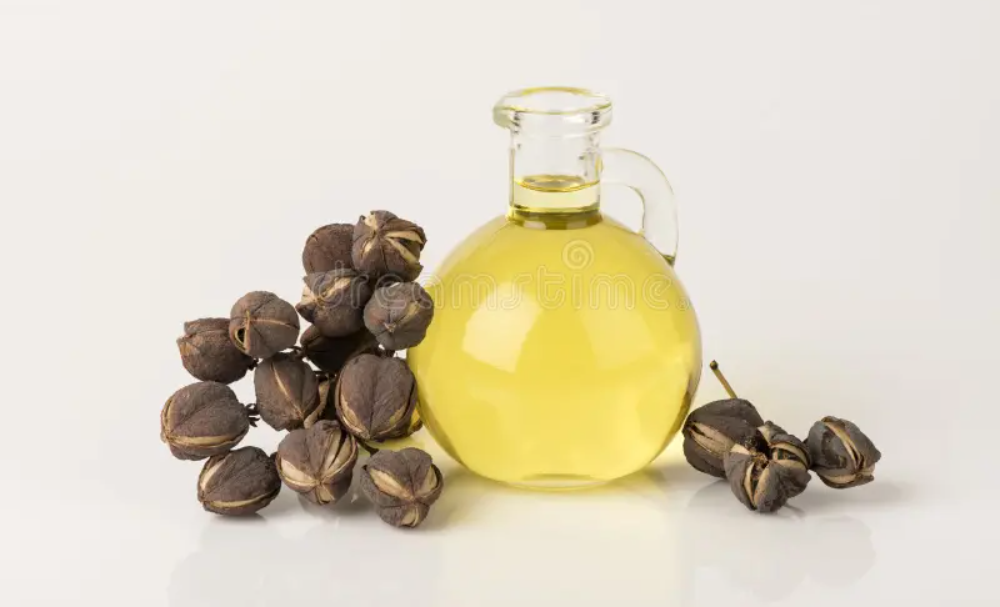
Researchers at the Kwame Nkrumah University of Science and Technology, Kumasi (KNUST) have found that oil from the Jatropha curcas plant can be converted into a high-performance engine lubricant that meets international standards and performs reliably over 12,000 kilometres of motorcycle use.
The researchers developed the bio-lubricant by chemically modifying Jatropha oil through esterification, transesterification and epoxidation before blending it with performance-enhancing additives.
Laboratory tests published in the International Journal of Emerging Research in Engineering Science and Management confirmed the molecular changes, while industry-standard ASTM and ISO methods were used to evaluate its physical and chemical properties.
It also recorded a high viscosity index of 227, meaning it maintained stable performance across a wide range of operating temperatures.
The lubricant demonstrated strong safety and durability characteristics, including a flash point of 230°C, a pour point of -20°C, low free fatty acid content and an acid value below recommended limits, all of which indicate good thermal stability and resistance to degradation.
To assess its real-world performance, the researchers tested the lubricant in a motorcycle engine over 12,000 kilometres. Although the viscosity index declined to 192.9 during operation, the lubricant retained acceptable viscosity and thermal stability throughout the test period.
Engine wear was also evaluated using X-ray fluorescence (XRF) analysis. Metal wear particles remained within original equipment manufacturer (OEM) guideline ranges, suggesting that the bio-lubricant provided adequate protection for engine components during prolonged use.
The researchers concluded that Jatropha curcas oil is a viable renewable base stock for producing automotive lubricants, demonstrating that plant-based oils can deliver the performance required for modern engines while reducing dependence on petroleum-derived products.
"Jatropha curcas is a plant-based material, and we want to gradually move away from petroleum-based products. This demonstrates that we can replace, or at least supplement, petroleum-based products with plant-based precursors such as Jatropha curcas oil. That is why we undertook this work, and we have successfully developed this automotive lubricant," Dr Bennetta Koomson, a co-author, said.
Story: Emmanuel Kwasi Debrah


