
The Kwame Nkrumah University of Science and Technology (KNUST), Kumasi, is seeking to expand opportunities for its faculty and students to benefit from academic exchanges, research partnerships and scholarship programmes in the United States, as part of efforts to strengthen its international academic profile.
This was highlighted during a meeting with a delegation from the United States Embassy in Ghana, led by the Cultural Affairs Attaché (Public Diplomacy), Ms Donyá Eldridge, on Friday, 20th November 2026.
Welcoming the delegation on behalf of the Vice-Chancellor, Professor Samuel Asare-Nkansah said KNUST valued its longstanding relationship with American institutions, noting that more than 50 percent of the University's international partnerships were with institutions in the United States.
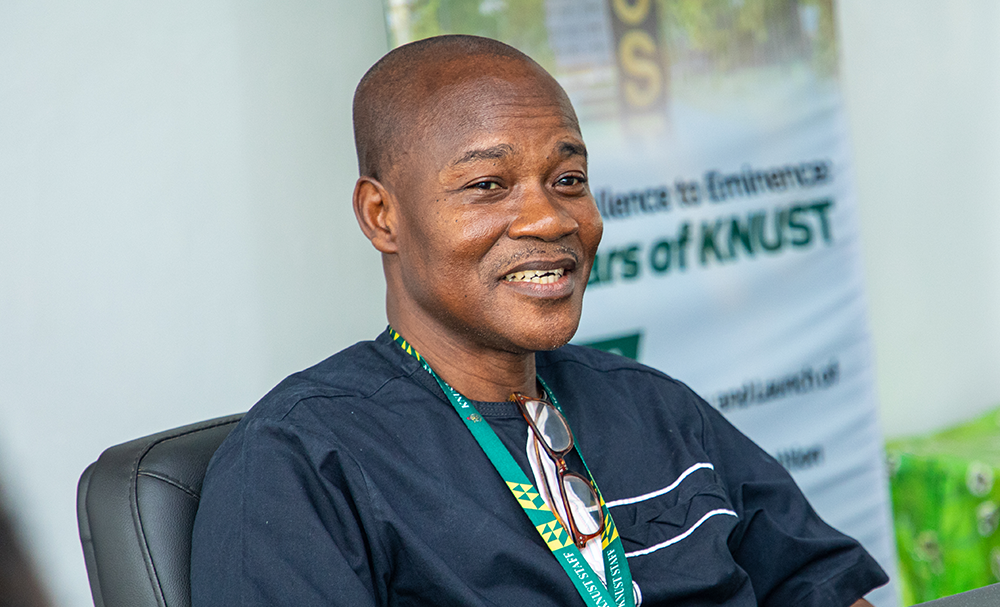
He stated these partnerships had contributed significantly to the University's achievements in agriculture, infectious diseases, public health, academic exchange and research.
Professor Asare-Nkansah indicated that as KNUST pursued its new strategic direction of moving from excellence to eminence, international partnerships would remain critical to expanding its global influence and strengthening its research and academic capabilities.
He also raised the need for greater reciprocity in academic exchanges, particularly facilitating opportunities for KNUST faculty and students to undertake academic engagements in the United States.
"One of the key things that we are always satisfied with, which is so dear to the heart of our registry, is reciprocity in engagements. As we get an opportunity to have U.S. scholars coming to Ghana for engagements, we should also be able to get our own over there," he said.
He observed that visa application challenges and short notice for international programmes sometimes affected the University's ability to participate fully in exchange opportunities.
Professor Asare-Nkansah therefore appealed for support in facilitating visa processes for faculty members and students participating in legitimate academic programmes. He also highlighted KNUST's internal screening mechanisms, coordinated through the International Programmes Office, to ensure that international exchanges were properly managed.
He identified responsible artificial intelligence (AI) as an emerging area for potential collaboration, disclosing that the University's responsible AI initiatives had trained approximately 5,000 people from different backgrounds. He expressed interest in partnerships that could strengthen research and promote the inclusive application of AI, particularly for persons with hearing and visual impairments.

In her response, Ms Donyá Eldridge acknowledged the visa access and disclosed that the Embassy had introduced a group appointment arrangement to facilitate visa applications for students and faculty travelling together for academic programmes.
Under the arrangement, institutions could coordinate group visa appointments and provide the Embassy with details of their programmes, partner institutions, duration, and areas of engagement, enabling the Consular Section to gather the necessary background information.
She clarified, however, that securing a group appointment did not guarantee visa approval but would improve coordination and communication with the Consular Section.
Ms Eldridge encouraged KNUST to explore partnerships beyond the traditionally popular American universities, stressing the importance of identifying institutions whose academic strengths, teaching approaches and research interests aligned with the University's priorities.
She proposed what she described as "academic dating", an approach for universities to build relationships on a smaller scale through joint lectures, speaker series and short-term academic exchanges before developing long-term partnerships.
"When the professors agree on what they are teaching and how it's being taught, that's when you're going to find that it's a stable partnership and it's going to last for many years," she noted.
She also highlighted several opportunities available through the U.S. Embassy, including the Fulbright programmes, EducationUSA advisory services and a small grants programme designed to support projects with an American component.
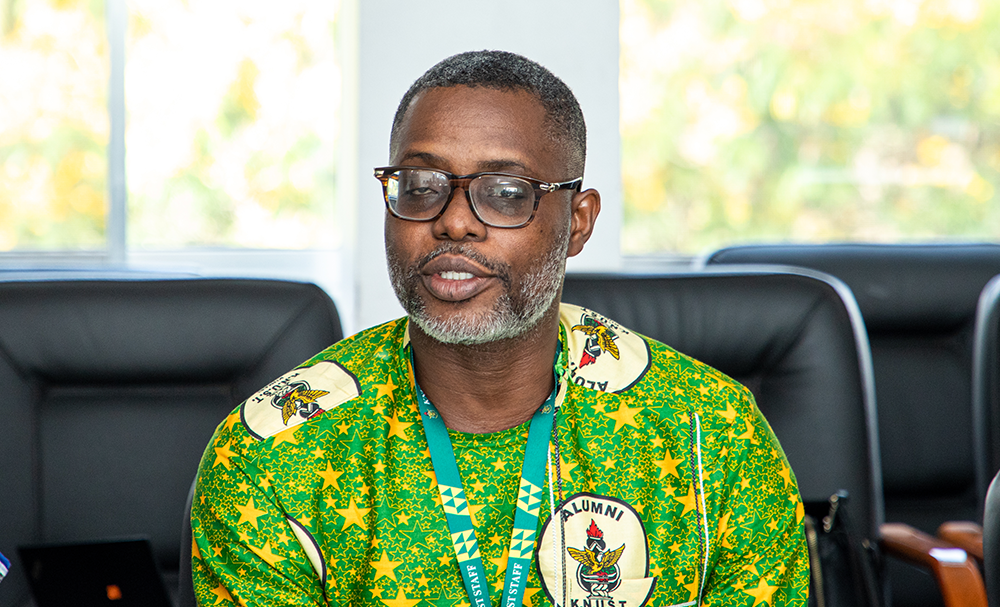
The Dean of the International Programmes Office, Professor Edmund Ekuadzi, also highlighted additional areas in which KNUST was interested in developing partnerships with American universities.
He identified astrophysics, sports science, sports studies and public engagement as potential areas for collaboration, noting that the University was making deliberate efforts to strengthen its academic and research activities in these fields.
He mentioned the University's growing interest in sports science, including athlete performance, coaching, sports research and developing competitive university sports teams.
He noted that KNUST had talented young people who could benefit from coaching, scholarships and exposure to international sporting systems.
Professor Ekuadzi expressed optimism that engagements with the U.S. Embassy would help connect the University with relevant American institutions and create opportunities for mutually beneficial academic and research partnerships.


