
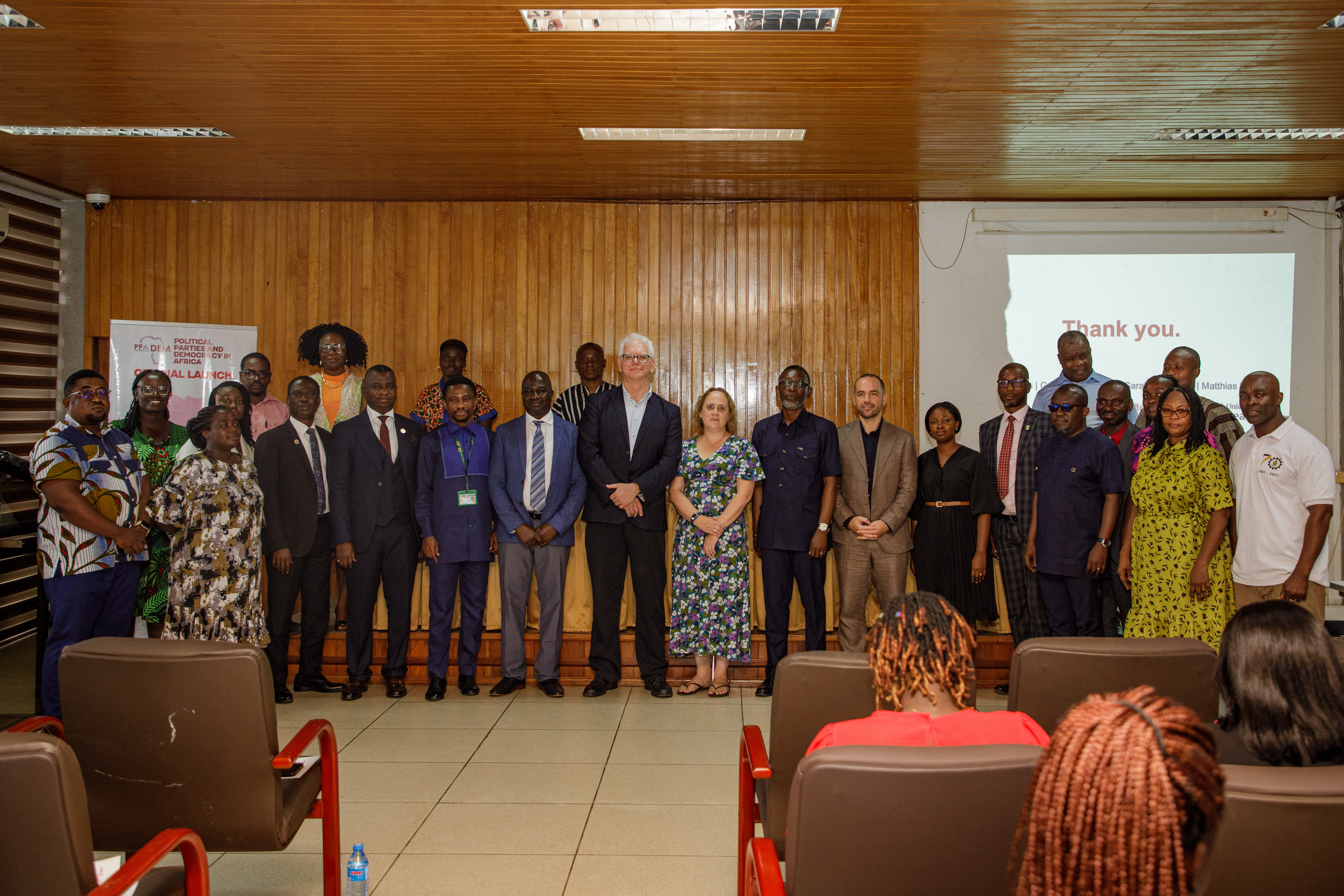
The Kwame Nkrumah University of Science and Technology, Kumasi (KNUST) has launched a research project with four partner institutions to examine how political parties contribute to democratic progress or decline in Africa.
The Political Parties and Democracy in Africa (PPADEM) project, funded by the European Research Council (ERC) through its Synergy Grant, will study 80 political parties in 25 African countries.
The project brings together KNUST, the University of Strathclyde, the University of Bristol, the University of Reading and Afrobarometer. It will examine party structures, internal democracy, political participation, accountability and relationships with voters.
The Principal Investigator of PPADEM at KNUST, Professor George M. Bob-Milliar, said the project would address gaps in understanding political parties and their influence on democracy across the continent.
Although political parties play a central role in African democratic systems, he said, their internal structures, organisation and relationships with citizens require closer examination.
“There’s something fundamentally that is not working, and that’s what this project seeks to study: the challenges that we have in Africa,” Professor Bob-Milliar said.
He said the research would challenge existing assumptions about African political parties by examining how they operate within their respective contexts and how their organisational characteristics influence democratic governance.
The project would generate data to deepen scholarly understanding of political parties and their role in democratic development, he added.
Professor Bob-Milliar said it would also produce new research tools and scholarly publications and strengthen research networks to ensure its benefits continued beyond the project’s duration.
The Head of the Department of History, Political Science and Public Administration at KNUST, Professor Edward Brenya, said the partnership would help identify factors driving democratic decline and progress in Africa.
“I believe strongly that such a project will come up with findings that will help our young democracy to consolidate as we deal with problems that cause democratic decline,” Professor Brenya said.
He thanked the collaborating institutions and researchers, saying that pooling resources and expertise was essential to addressing complex governance challenges.
The Manager of Grants and Research, Mrs Patricia Amoah Yirenkyi, highlighted the project’s relevance to KNUST’s research agenda and its potential contribution to African development.
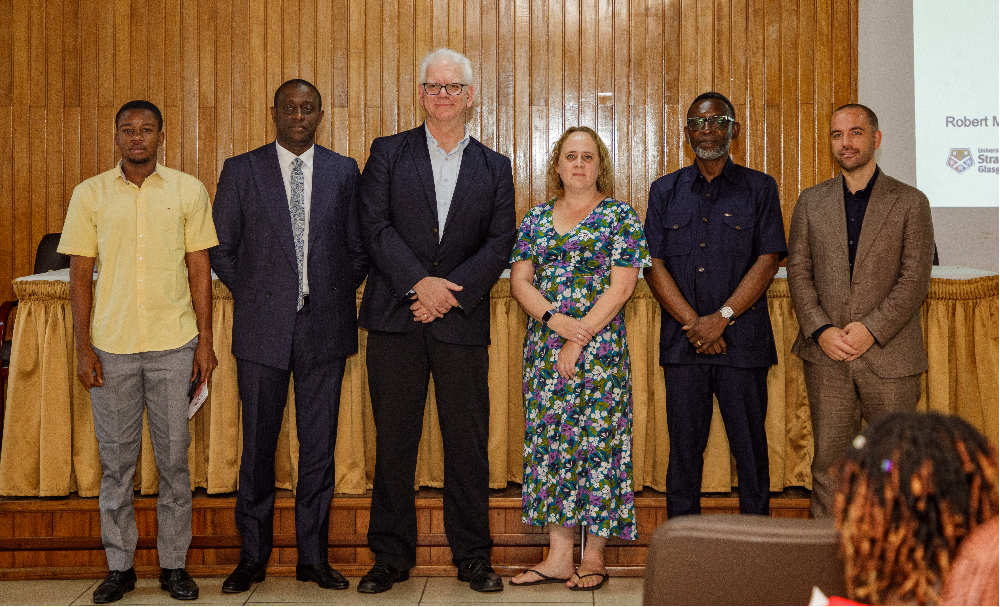
She described PPADEM as an example of rigorous, Africa-focused research addressing questions directly affecting the continent and commended Professor Bob-Milliar for his contribution to the collaboration.
“The value of this grant lies not in the funding, but in what the project will change,” she said.
She stressed the importance of producing evidence that political parties, electoral institutions and democracy advocates could use to strengthen accountability and democratic governance.
Mrs Yirenkyi said the Office of Grants and Research would support the team with project management, compliance and reporting to funders to ensure effective implementation.


