
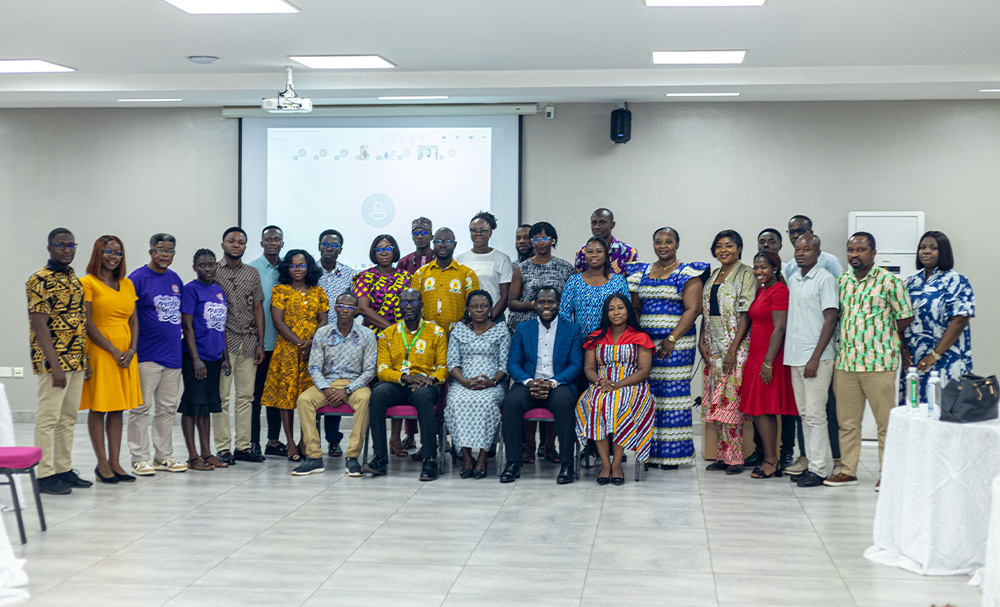
The Kwame Nkrumah University of Science and Technology, Kumasi (KNUST), in partnership with the University of Huddersfield,United Kingdom, has hosted a stakeholder consultation workshop aimed at developing a culturally appropriate dementia care pathway for Ghana.
The workshop, themed “Developing a UK-Ghana Partnership to Co-Design a Dementia Care Pathway,” brought together policymakers, healthcare professionals, researchers, educators, caregivers, faith leaders, traditional authorities, and development partners to deliberate on strategies for improving dementia care across the region.
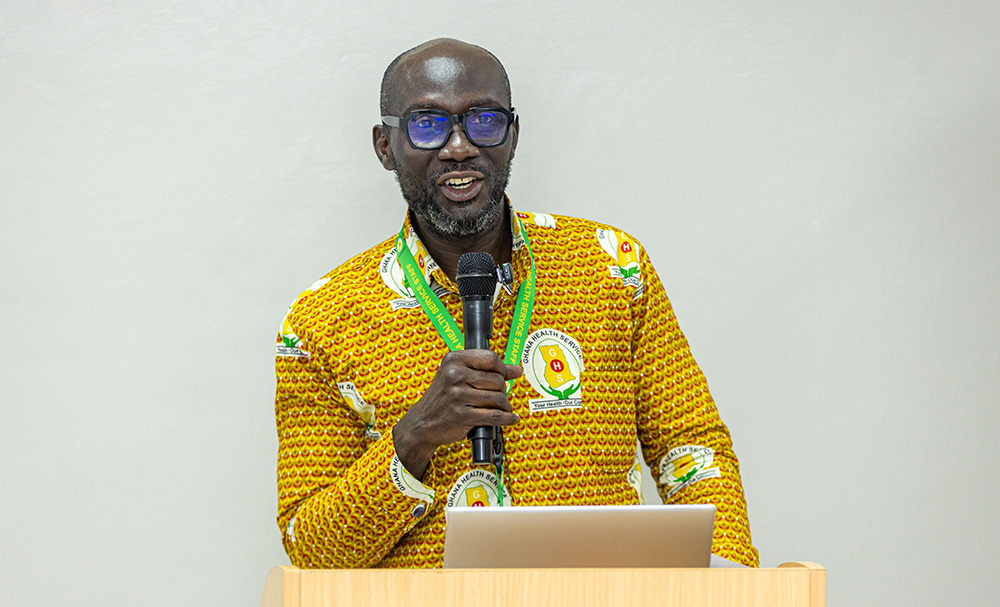
Delivering the keynote address, the Ashanti Regional Director of the Ghana Health Service, Dr. Fred Adomako-Boateng, described dementia as one of the country’s emerging public health concerns, stressing that Ghana’s ageing population demands urgent and coordinated action.
“Globally, millions of people are living with dementia, and the number is expected to rise significantly in the coming decades, with the fastest growth occurring in low- and middle-income countries such as Ghana,” he said. “Our health system must be prepared to respond because dementia is no longer a future concern; it is a present reality.”
Dr. Adomako-Boateng noted that studies conducted in the Ashanti Region indicate a high prevalence of dementia risk among older adults, while data from the District Health Information Management System (DHIMS) show a steady increase in reported dementia cases over the past five years.
He explained that limited public awareness, delayed diagnosis, inadequate specialist services, fragmented referral systems, and the absence of structured caregiver support continue to hinder effective dementia care in Ghana.
“Dementia is not simply a biomedical issue; it is also a social issue shaped by poverty, education, and inequality,” he stated. “We must develop a care pathway that reflects our cultural realities while ensuring that every individual receives timely, compassionate, and evidence-based care.”
Dr. Adomako-Boateng further called for stronger collaboration between healthcare providers, traditional authorities, faith-based organisations, and community leaders to address stigma and improve early detection.
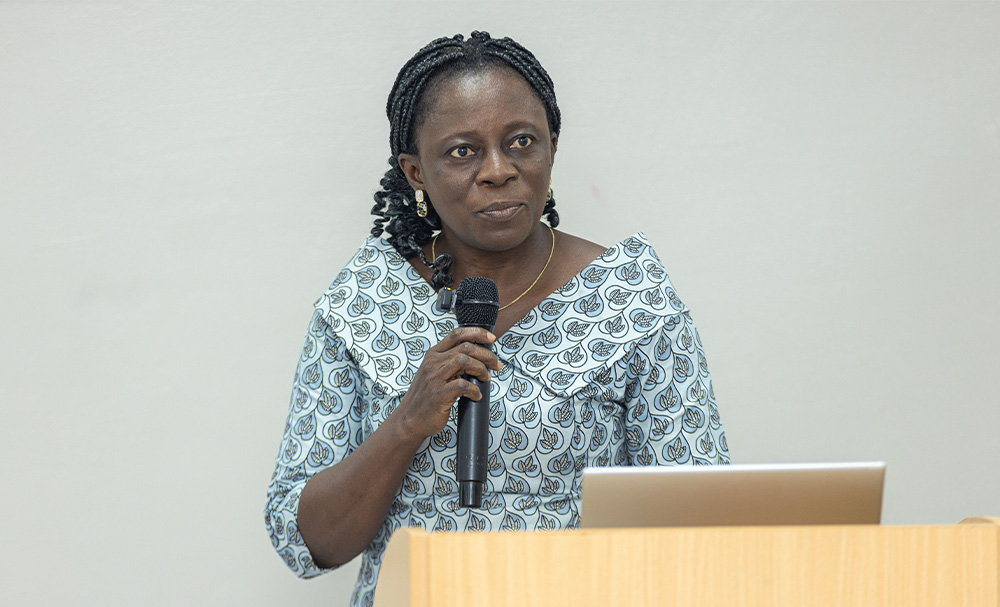
The Dean of the School of Nursing and Midwifery at KNUST, Professor Veronica Dzomeku, underscored the importance of translating research findings into practical solutions that improve healthcare delivery.
“Dementia presents complex challenges that extend beyond individuals and their families. Addressing these challenges requires the collective efforts of policymakers, clinicians, researchers, educators, community leaders, caregivers, and development partners,” she said.
Professor Dzomeku noted that the workshop represented a significant step towards strengthening dementia care in Ghana by moving beyond identifying challenges to developing practical, evidence-informed interventions.
“Our goal is not simply to produce another document. We seek to develop a dementia care pathway that is realistic, culturally appropriate, and responsive to the needs of Ghanaian families,” she explained.
She encouraged participants to contribute actively to the discussions, emphasising that meaningful solutions emerge when diverse stakeholders work together.
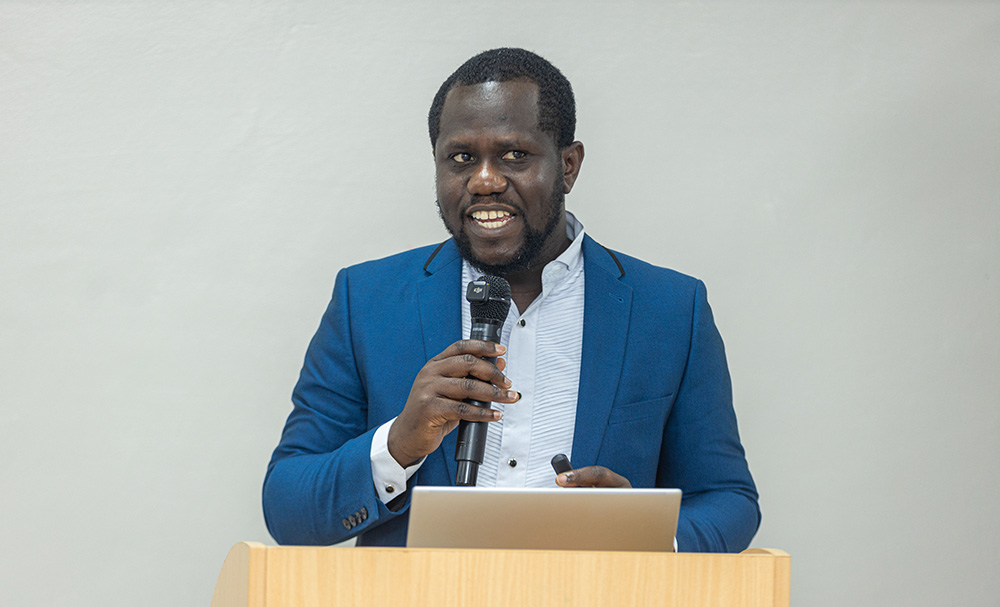
The Principal Investigator of the project, Senior Lecturer at the University of Huddersfield and Visiting Senior Lecturer of the School of Nursing and Midwifery at KNUST, Dr Precious Adade Duodu, highlighted the importance of the UK-Ghana partnership in developing evidence-based and culturally appropriate solutions for dementia care.
He noted that dementia remains significantly underreported globally, particularly in low- and middle-income countries, and stressed that Ghana currently lacks a dedicated dementia registry and specific dementia policy.
Sharing findings from previous research conducted in Ghana, Dr Duodu revealed that a study involving 800 participants found that 23.4 per cent were at risk of dementia. He explained that the research also examined factors associated with dementia risk and highlighted the challenges faced by family caregivers, including financial strain, stress, stigma, and limited support systems.
He emphasised the need for stronger community support, improved referral systems, caregiver education, and collaboration with traditional and religious leaders to address misconceptions and improve access to care.
Story: Eunice Odumaa Asare Photos: Isaac Kwaku Duah


