
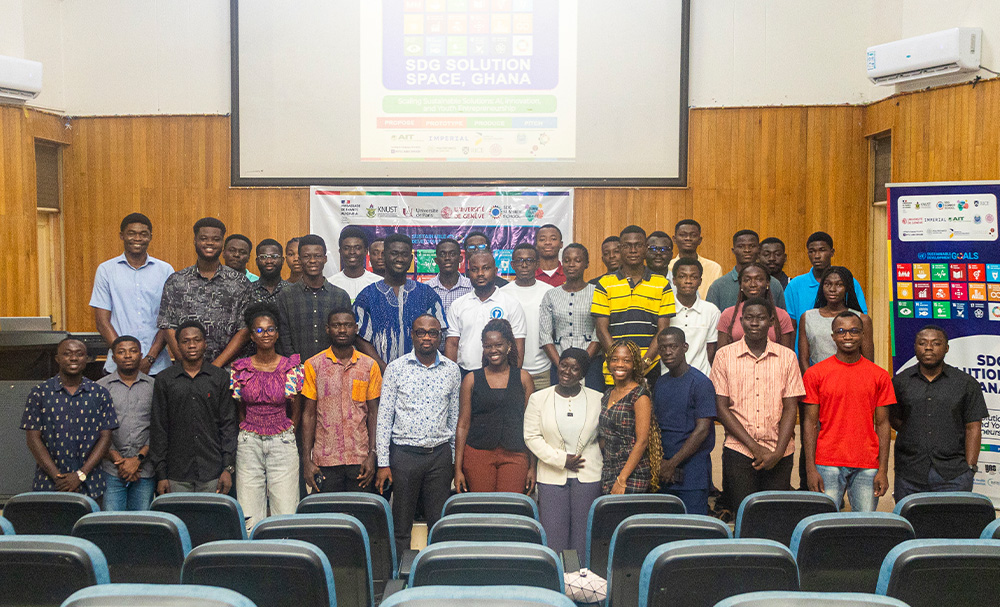
The Kwame Nkrumah University of Science and Technology, Kumasi (KNUST), in partnership with the French Embassy in Ghana, has organised an SDG Summer School to scale sustainable solutions in artificial intelligence, innovation and youth entrepreneurship.
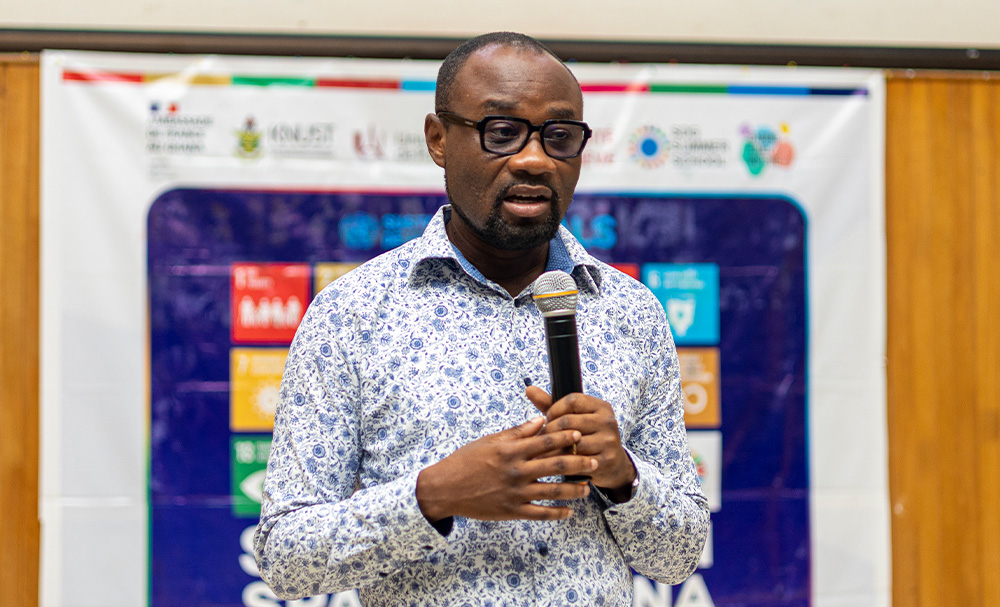
Professor Samuel Asamoah Sakyi, coordinator of the programme, said the summer school was launched in 2023 to advance the United Nations Sustainable Development Goals and is steadily transforming young thinkers into global innovators.
“The initiative, trains students to pitch ideas, build prototypes, and compete internationally, continues to gain momentum as it prepares participants for major competitions across Africa and Europe,” he said.
He highlighted the programme’s progress.
“Since its inception, students have travelled to global events, including a major gathering in Geneva, and preparations are already underway for the 2026 Summer School. And every year, we see the students become more confident and more determined to succeed,” he said.
He said more than 18 project ideas were presented this year, demonstrating creativity, problem-solving and a strong commitment to sustainable development.
“After a competitive evaluation, the top three prototypes will be selected to represent the region at the upcoming competition in Nairobi, Kenya,” he said.
Sakyi stressed the practical realities of international travel and encouraged students to keep their passports ready.
“Opportunities can come at any time, so we want everyone to be prepared,” he added.
He assured participants of continued mentorship, financial support and access to business incubation.
“We are not just training students for a competition, we are shaping future leaders who will drive real change,” he said. “The SDG Summer School programme is positioning young innovators to compete, network and create lasting impact across the world.”
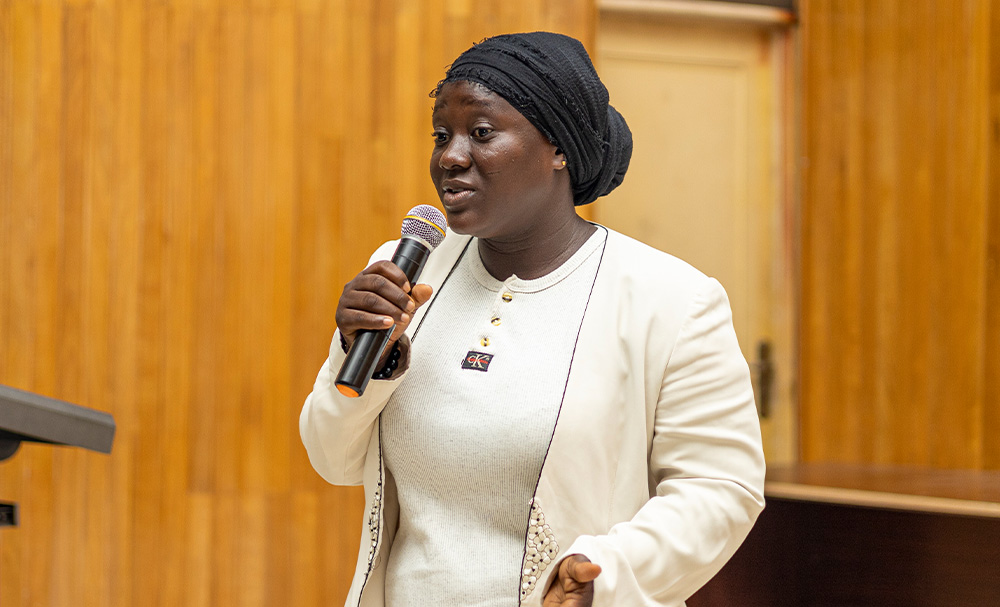
Dauda Nafisa, a participant who represented her team at the SDG Olympiad 2025 in Geneva, shared her experience of networking with peers from around the world, attending a peacekeeping event and visiting sites such as the Broken Chair and the Red Cross.
“Networking with students from different countries, helped me,” she added.
Nafisa said her project focused on using orange and pineapple peels to create an eco-friendly mosquito repellent aimed at combating malaria in Ghana and across Africa. She added that her participation in the hackathon deepened her understanding of the SDGs.
“This really opened my eyes,” she said.
| Story: Ama Pokuaa Mensah | Photos: Isaac Kwaku Duah |


