
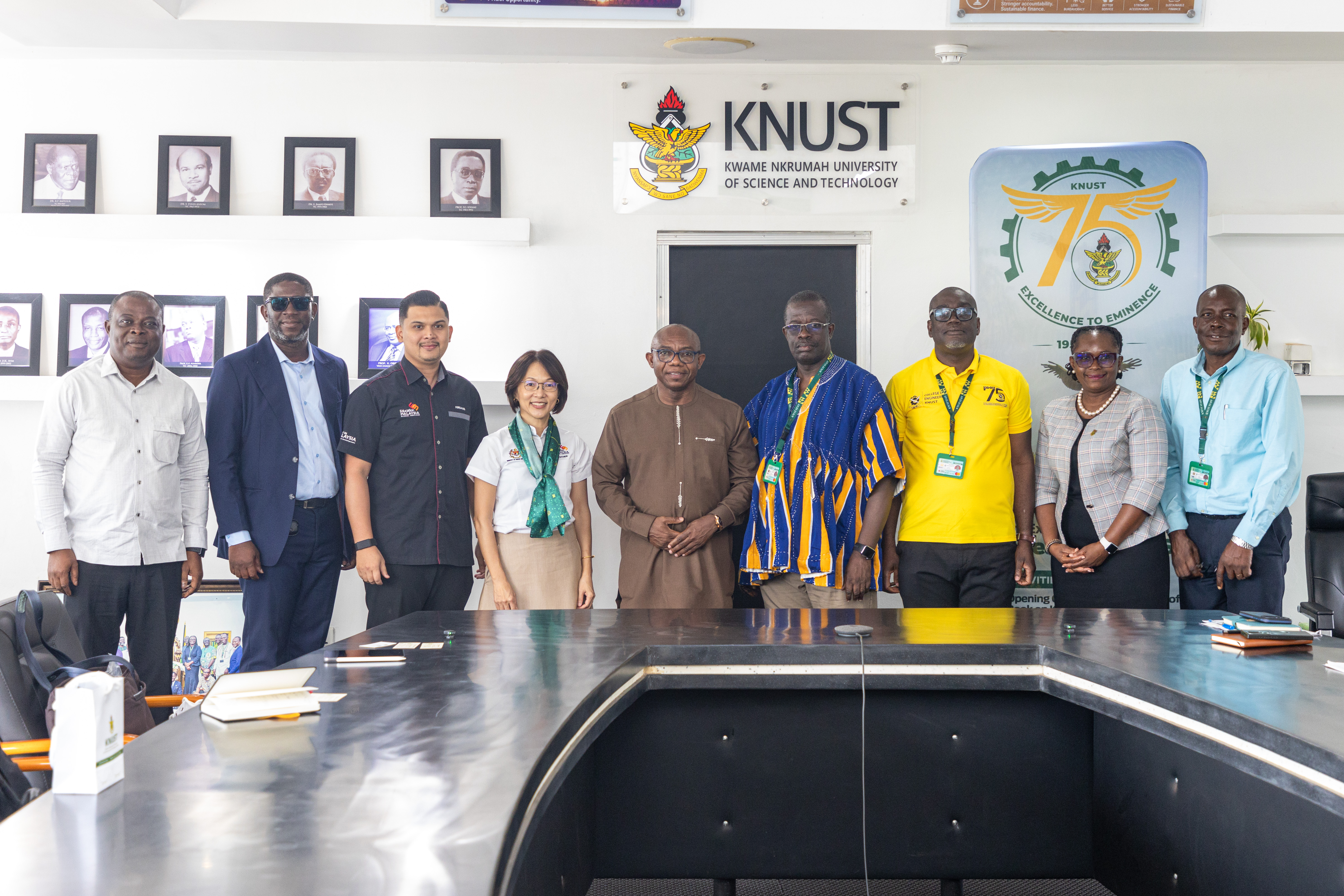
Kwame Nkrumah University of Science and Technology, Kumasi (KNUST) is exploring academic partnerships with Education Malaysia Global Services (EMGS) to expand postgraduate training, student and faculty exchanges, and joint research.
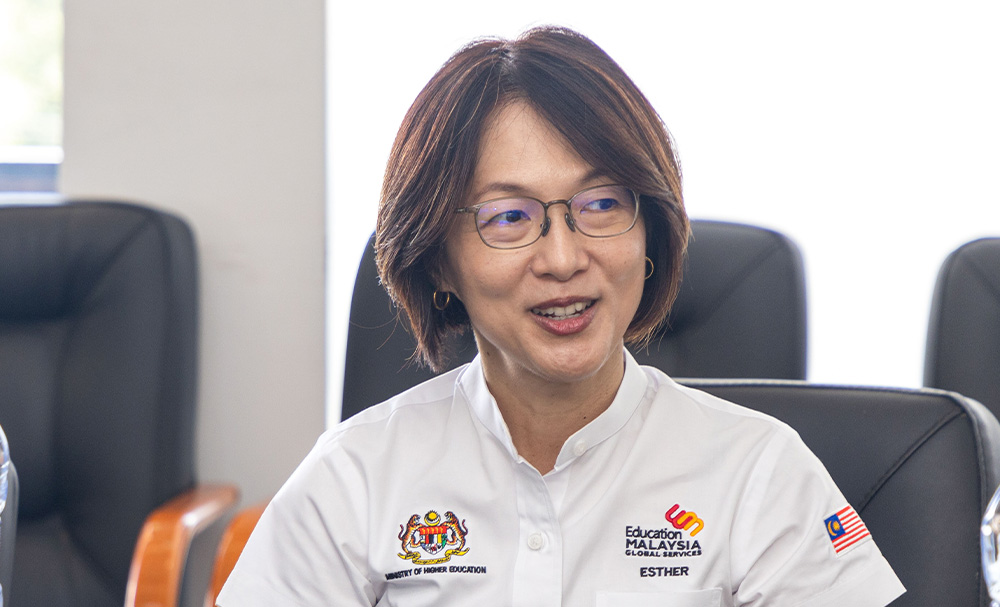
During a courtesy call on the Vice-Chancellor, EMGS Director of Marketing and Communication Ms Esther Low said Ghana was an important market for Malaysia’s international education agenda. She said the organisation wanted to establish lasting academic links with Ghanaian universities.
Malaysia had pursued the internationalisation of higher education for more than three decades and hosted more than 150,000 international students, she said. The country received about 100 new student visa applications from Ghana annually, indicating potential for stronger academic ties.
Ms Low said EMGS would connect KNUST with suitable Malaysian universities to identify shared academic interests and develop programmes tailored to their needs.
“When we go back, I think we’ll start with one of the online kick-off meetings. So, I will let the university to university talk to each other,” she said.
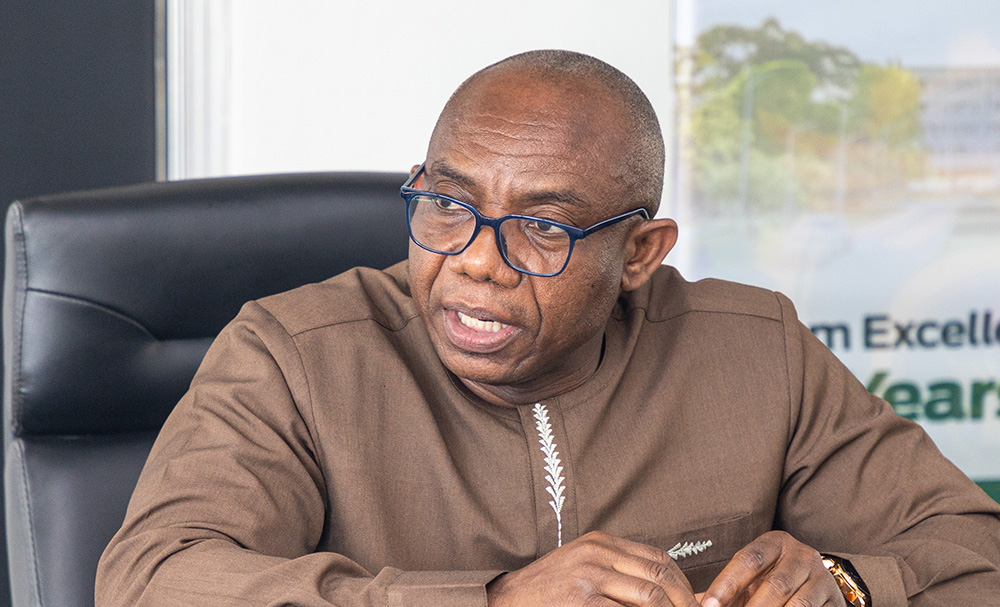
KNUST Vice-Chancellor Professor Christian Agyare said the discussions supported the university’s internationalisation agenda and offered opportunities for academic exchanges.
“For us, this engagement is very key, especially on our path of internationalisation that we have embarked on,” he said.
Professor Agyare said the proposed arrangements should be reciprocal, allowing KNUST students and faculty to study, teach and conduct research in Malaysia while welcoming their Malaysian counterparts to KNUST.
He also proposed a virtual session to introduce interested final-year undergraduates and prospective postgraduate students to opportunities for further study in Malaysia.

The Director of the School of Graduate Studies, Professor Michael Poku-Boansi, identified joint postgraduate programmes, particularly doctoral training, as a priority.
“As a university, we are currently exploring avenues for joint PhDs, joint MOU opportunities, where students can spend some years in key universities and also years in the partner institutions,” he said.
Professor Poku-Boansi said such arrangements could allow students to complete part of their studies at KNUST and the remainder at partner universities in Malaysia. Joint research involving faculty and students would also support KNUST’s ambition to become a research-intensive institution, he added.


