
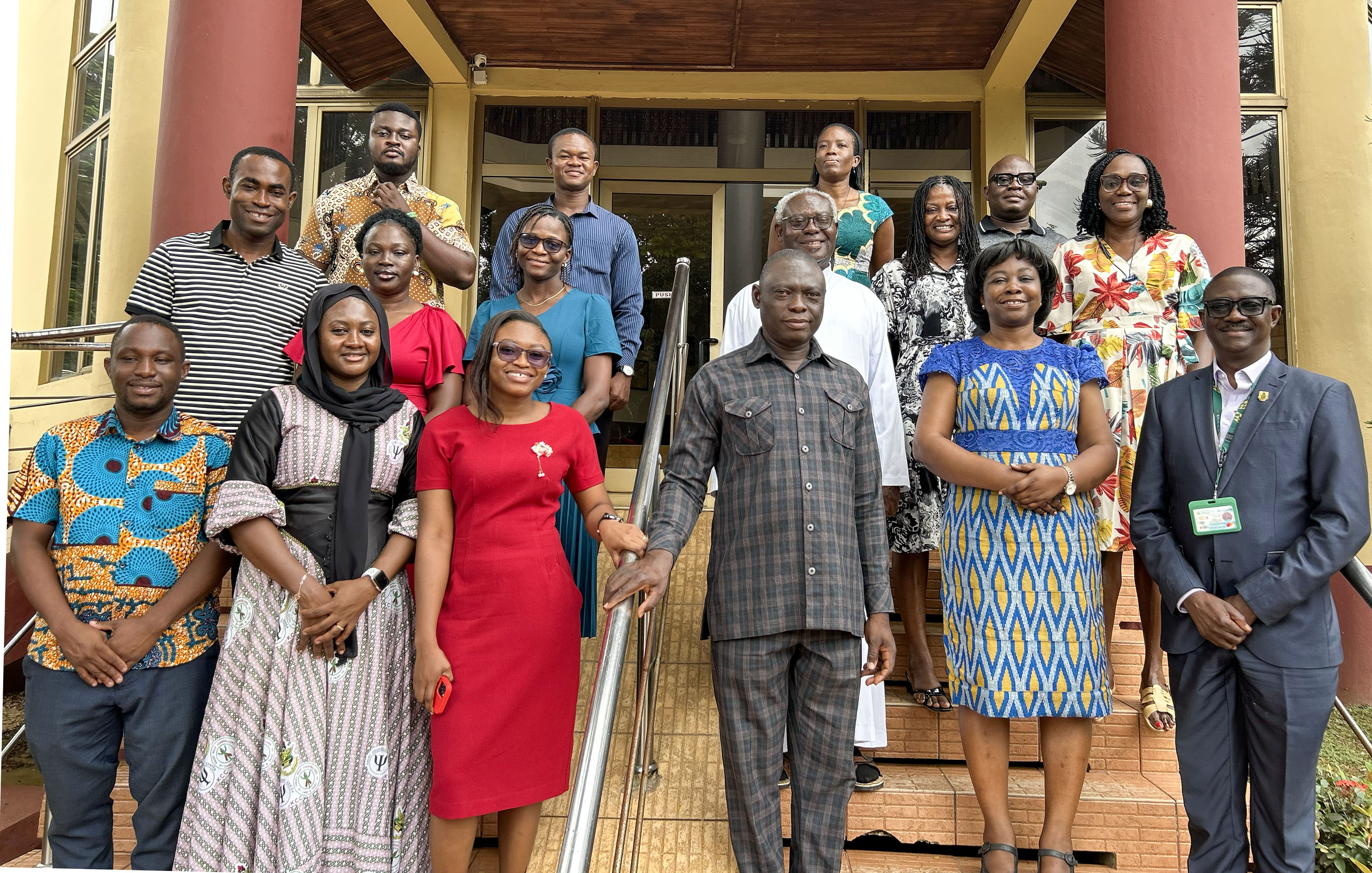
The KNUST Counselling Centre has trained its staff in advanced therapeutic practices and emotional regulation as the University strengthens counselling services to help students navigate academic, social and personal challenges.
The training comes as the Kwame Nkrumah University of Science and Technology (KNUST), Kumasi, serves a student population of more than 80,000, increasing the importance of effective support systems for students throughout their university experience.
The training and capacity-building workshop, held under the theme “Beyond the Counselling Room: Emotional Mastery and Advanced Therapeutic Practice,” focused on equipping counsellors with advanced therapeutic approaches while promoting their emotional well-being and professional development.
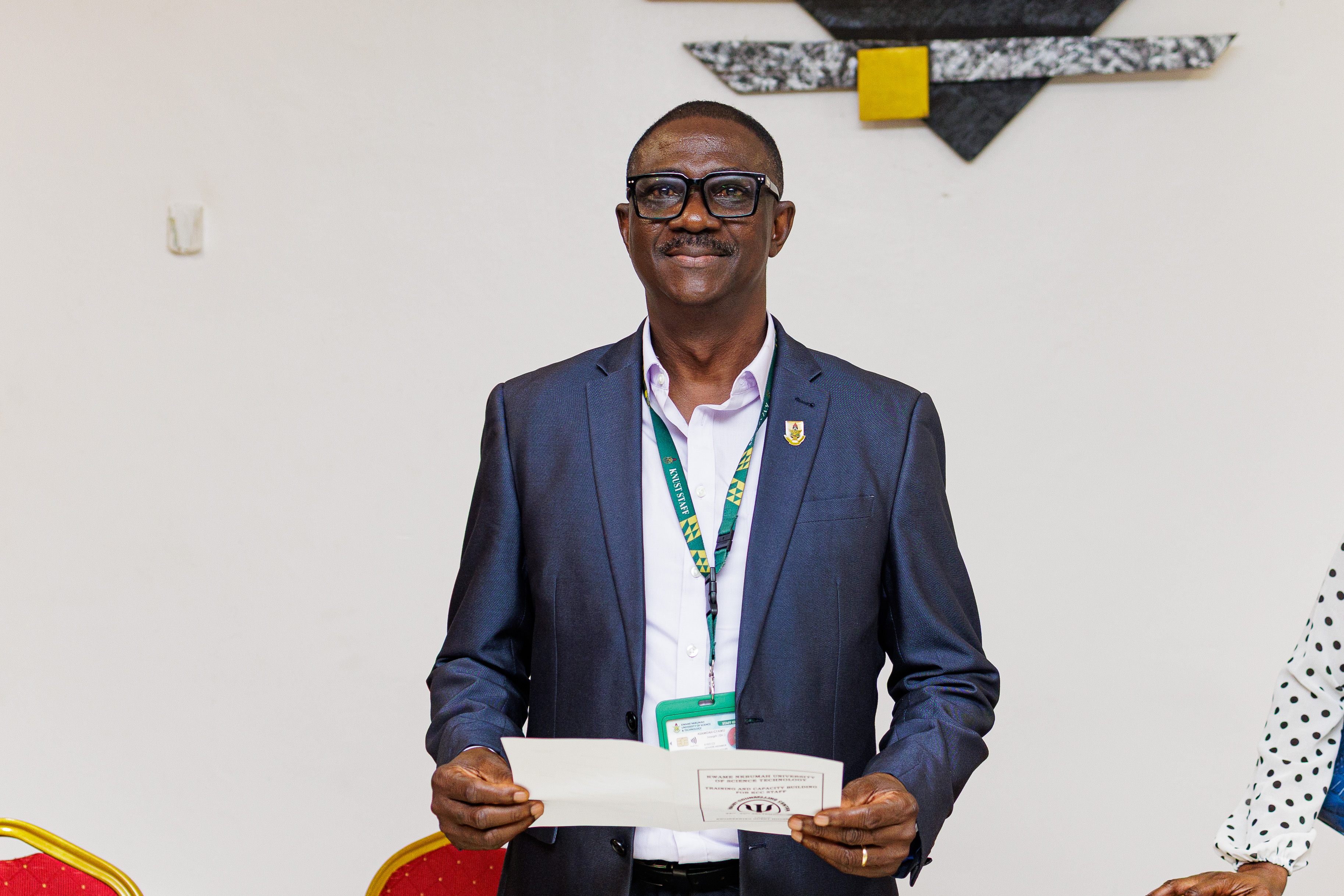
Dr Joseph Asamoah-Gyawu, Acting Head of the KNUST Counselling Centre, said the training provided practitioners with an opportunity to reflect on their work, renew their professional knowledge and strengthen the skills needed to respond effectively to students’ needs.
“This programme provides us with a valuable opportunity to pause from our demanding professional responsibilities, reflect on our practice, renew our knowledge, and strengthen the competencies required to serve our students and the wider University community more effectively,” he said.
Dr Asamoah-Gyawu said effective counselling required practitioners to develop strong self-awareness and emotional regulation while continuously expanding their therapeutic knowledge and skills.
“Effective counselling begins with the counsellor’s capacity for self-awareness and emotional regulation, while also encouraging us to continually expand our therapeutic knowledge and skills,” he said.
He said the training was expected to provide participants with theoretical insights and practical knowledge that could be applied in their professional practice.
“I trust that our engagement will be intellectually stimulating, professionally enriching and practically relevant to our work,” he said.
Professor Marian Asantewah Nkansah, Director of Student Affairs, said the work of counsellors extended beyond the counselling room because students carried the guidance and support they received into other aspects of their lives.
“Beyond the Counselling Room. This is a powerful reminder that your work does not begin and end within the four walls of the counselling room,” she said.
Prof. Nkansah said students sought counselling for a wide range of concerns, including anxiety, academic pressure, social media stress, economic challenges, relationships and uncertainty about life after KNUST.
She said counsellors therefore played an important role in helping students navigate challenges during their time at the University and prepare for life beyond it.
Prof. Nkansah said the Counselling Centre was central to the mandate of the Directorate of Student Affairs, particularly within a University community of more than 80,000 students.
She said the dedication of counsellors, though often unseen, helped prevent crises, restore hope and support students to remain in school.
Prof. Nkansah said strengthening student support required continued collaboration and engagement, adding that the Directorate remained committed to training, mentoring and supporting those responsible for students’ welfare.
She also urged counsellors to pay attention to their own emotional well-being while carrying the emotional burdens of others.
“We cannot give what we do not have. As counsellors, you daily carry the emotional burdens of many. To master your own emotions while helping others navigate theirs is advanced professional work,” she said.
She said the workshop therefore served not only as a capacity-building programme but also as an opportunity for self-preservation and professional renewal.
Prof. Nkansah encouraged participants to “be open” to new therapeutic techniques and learning from one another, “be reflective” about their own emotional well-being and “be practical” in applying knowledge gained from the workshop to improve services to students.
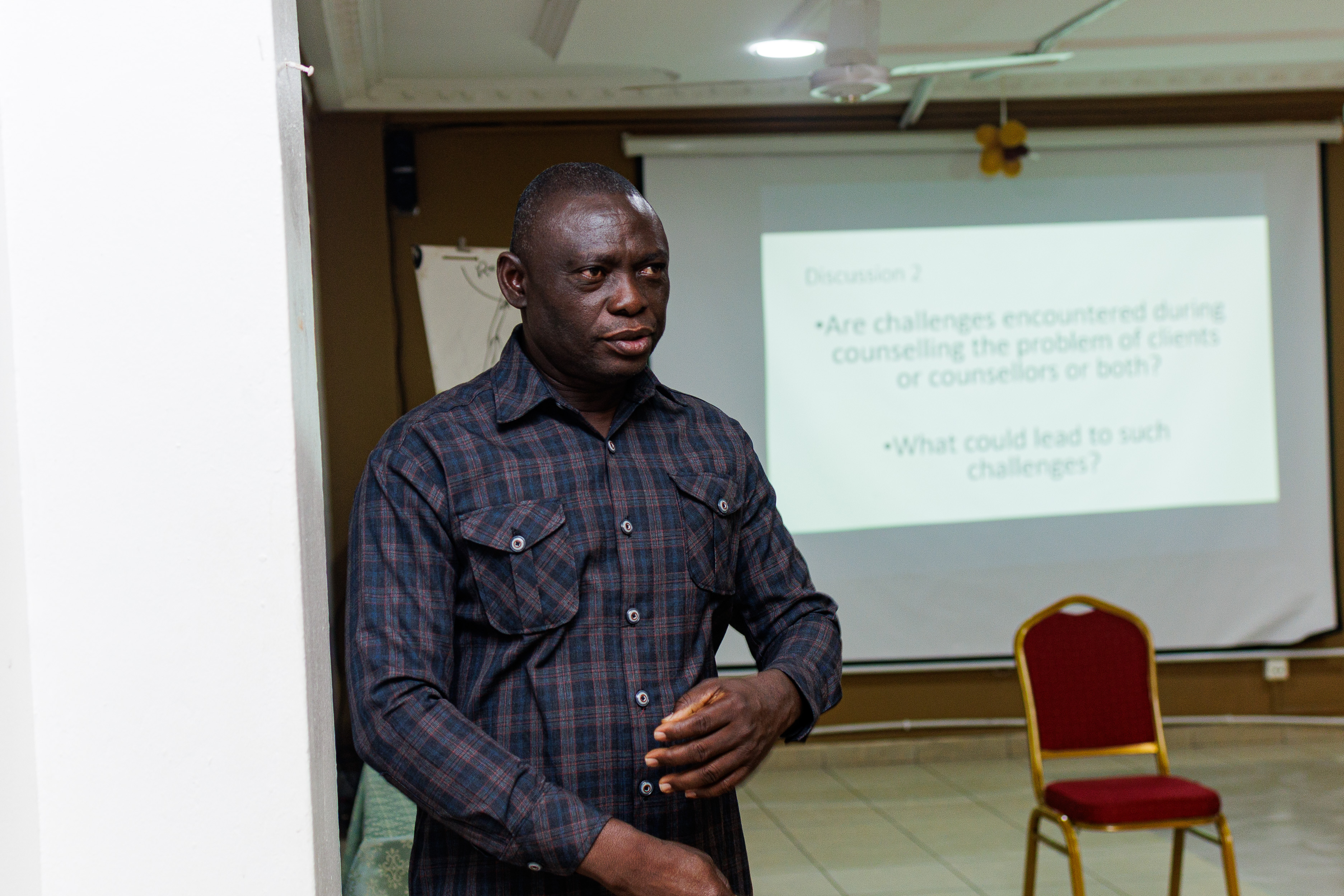
Professor Stephen Doh Fia of the Department of Guidance and Counselling at the University of Cape Coast (UCC) urged counsellors to develop strong emotional regulation and self-awareness to help them manage difficult situations and maintain professionalism in their interactions with clients.
Speaking on “The Counsellor’s Ego: Fuel or Foe? Managing One’s Emotions During Counselling,” Prof. Doh Fia said the ego played an important role in shaping how individuals perceived themselves and responded to internal and external pressures.
“The ego in itself is our conscious mind, the part of our identity that is referred to as the self. It is about our self-esteem and self-importance,” he said.
He said counsellors were often confronted with situations in which clients’ behaviour could trigger strong emotional reactions, making emotional regulation critical to effective counselling.
“You may be frustrated at that client, but you need to manage that internal conflict and still act in socially acceptable ways,” he said.
Prof. Doh Fia distinguished between a weak and a strong ego, saying a weak ego could manifest in low self-esteem, defensiveness, sensitivity to criticism and excessive dependence on external approval.
He said an inflated or poorly regulated ego could also manifest in arrogance, stubbornness, excessive pride, self-centred behaviour and an unwillingness to consider the views of others.
“Wisdom is not resident in one individual’s head,” he said, encouraging counsellors to remain open to advice, criticism and the perspectives of others.
Prof. Doh Fia cautioned counsellors against allowing disagreements with clients, colleagues or supervisors to develop into personal confrontations.
He described a strong ego as the ability to maintain a stable sense of self while effectively managing internal impulses and external pressures.
“A strong ego reflects psychological resilience and good mental health,” he said.
He identified resilience, accountability, emotional regulation, self-confidence, reality testing, sound judgement, problem-solving and self-awareness as important characteristics of a strong ego.
Prof. Doh Fia particularly stressed emotional regulation, saying counsellors should not allow clients’ negative behaviour to determine their responses.
“You regulate that emotion. The client is looking at you,” he said.
He said maintaining emotional control could strengthen the therapeutic relationship because clients were more likely to recognise and respect counsellors who remained composed under pressure.
Prof. Doh Fia linked effective ego management to emotional intelligence, describing it as an essential competence for counselling professionals.
“For you and I to do the work and do it very well and achieve results, we need emotional intelligence,” he said.
Story: Alice Laura K. Prempeh Photos: Kwame Twumasi-Ankrah


