
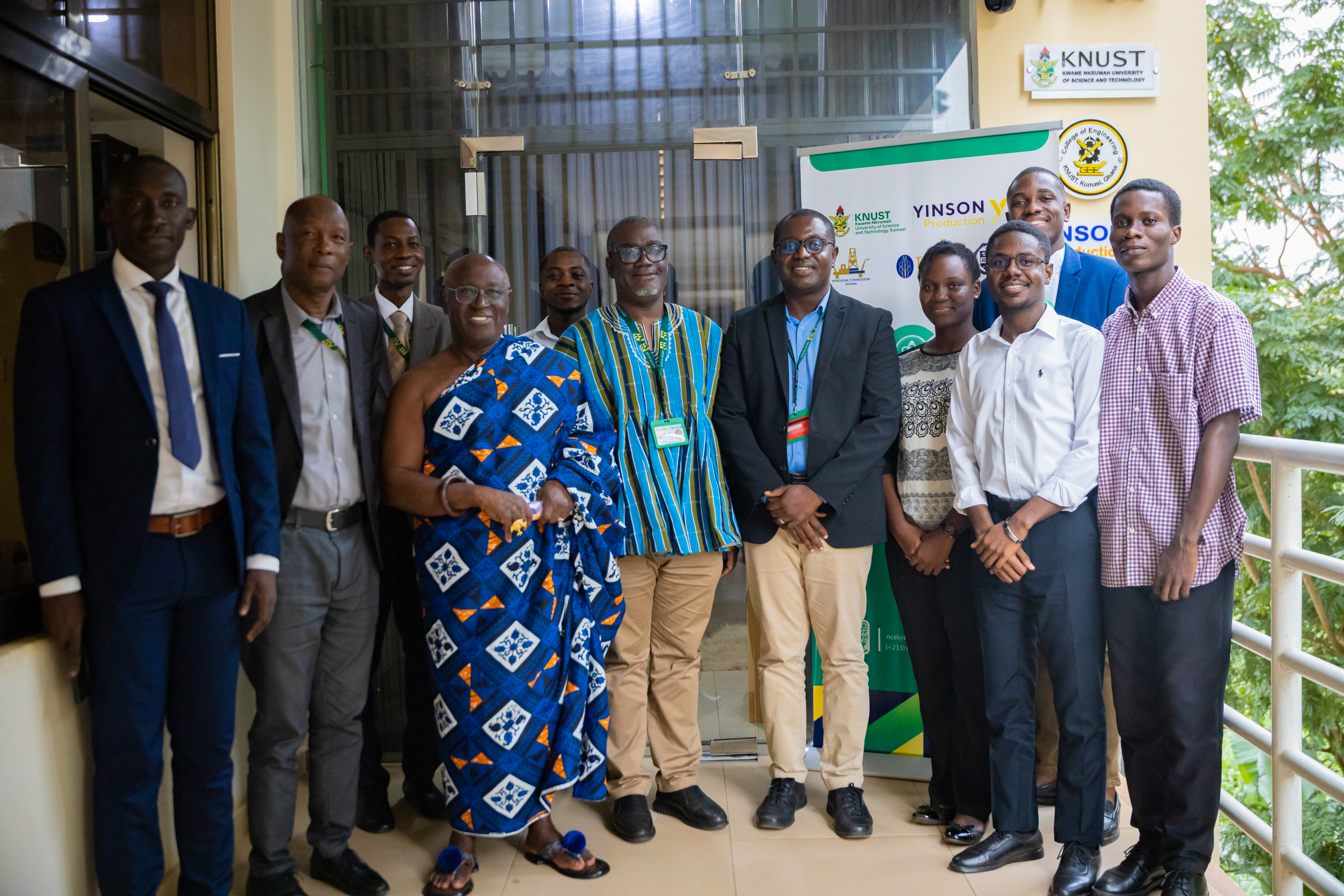
The Chairman of the Governing Council of the Kwame Nkrumah University of Science and Technology (KNUST), Akyamfour Asafo Boakye Agyemang-Bonsu, has paid a working visit to the University's Net Zero Carbon Emission Lab (NCEL), accompanied by the Provost of the College of Engineering, Ing. Prof. Kwabena Biritwum Nyarko, and other senior officials.
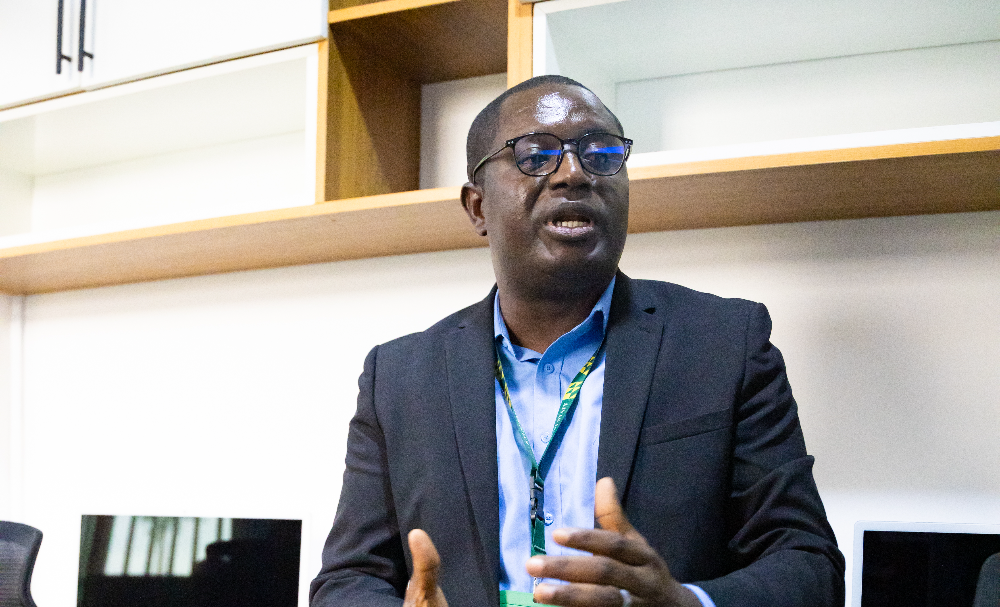
The delegation was received by the Principal Investigator of the Net Zero Carbon Emission Lab, Dr. Yen Adams Sokama-Neuyam, who presented the Lab's ongoing research activities, strategic priorities and contributions to KNUST's sustainability agenda.
A key highlight of the presentation was the progress made on the KNUST Net-Zero Emissions Project (KNEP), an initiative aimed at conducting a comprehensive carbon footprint assessment of the entire University, beginning with the College of Engineering.
Dr. Sokama-Neuyam said the project has established a robust methodology, completed a comprehensive assessment of the College's carbon emissions across all scopes in line with the Greenhouse Gas (GHG) Protocol, and developed a live dashboard to support emissions analysis and decision-making. These achievements position the College among the first in sub-Saharan Africa to undertake a comprehensive institutional carbon footprint assessment using internationally recognised standards.
He explained that the Provost of the College of Engineering is leading the second phase of the project, which seeks to extend the assessment to all University facilities, with the long-term goal of positioning KNUST as a regional leader in emissions measurement, mitigation and sustainability in support of its vision of moving from "Excellence to Eminence."
The presentation also highlighted the Lab's broader research portfolio in industrial decarbonisation, including the recently completed Tier 3 carbon intensity assessment of Ghana's oil and gas fields and the development of the Ghana Enhanced Rock Weathering Suitability Index (ERW-SI).
Dr. Sokama-Neuyam further outlined the Lab's efforts to generate credible emissions data, advance evidence-based climate research and support informed decision-making to accelerate institutional and national net-zero ambitions.
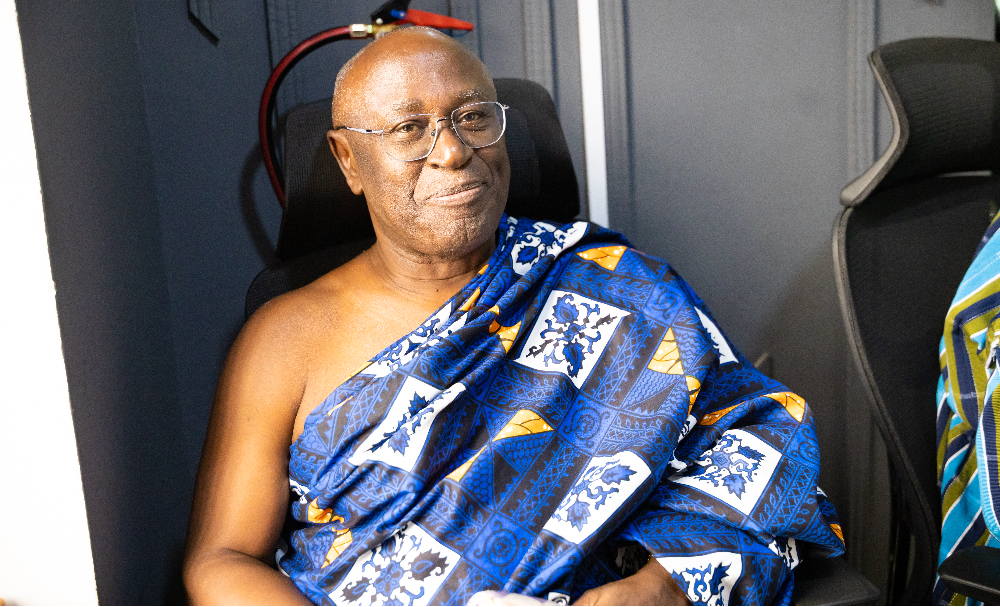
Drawing on his engineering background, Akyamfour Asafo Boakye Agyemang-Bonsu engaged extensively with the presentation and commended the research team for the progress made since the establishment of the Lab.
He underscored the strategic importance of sustainability research and encouraged the team to position KNUST as a leading centre of excellence for climate research, sustainability innovation and environmental consultancy.
The Council Chairman also urged the researchers to broaden the impact of their work through stronger interdisciplinary collaboration, strategic partnerships and closer engagement with University Management to ensure that research findings contribute meaningfully to institutional planning, national development and global climate action. He further offered recommendations on enhancing the visibility and practical application of the Lab's research.
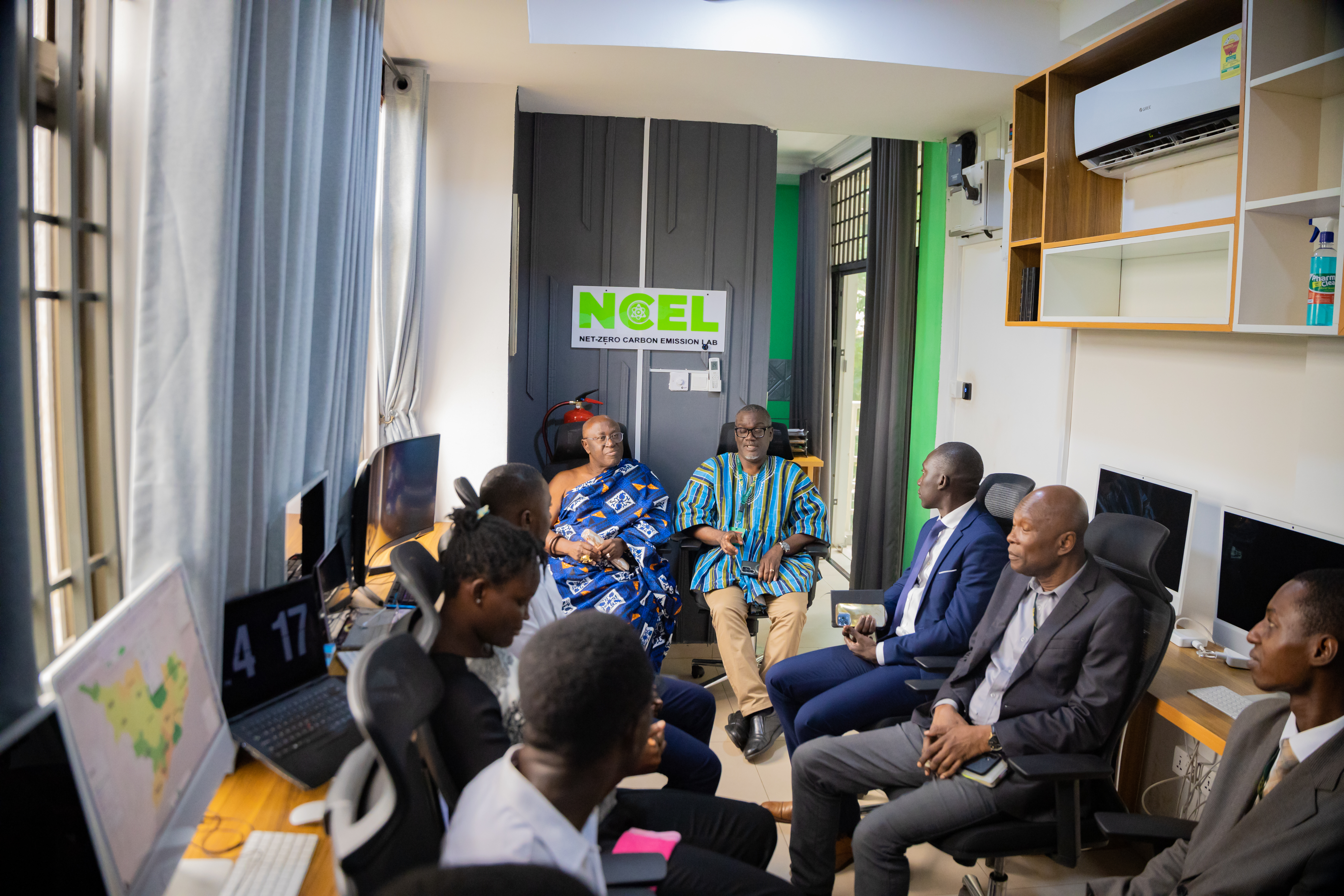
Speaking during the visit, Ing. Prof. Kwabena Biritwum Nyarko reaffirmed the College of Engineering's commitment to supporting cutting-edge research that addresses pressing societal challenges and strengthens KNUST's leadership in engineering, sustainability and climate innovation.
The visit underscores the University's growing recognition of the strategic importance of the Net Zero Carbon Emission Lab and reinforces KNUST's commitment to advancing high-impact research that contributes to sustainable development, climate resilience and the global transition to net-zero emissions.
The Net Zero Carbon Emission Lab expressed appreciation to Akyamfour Asafo Boakye Agyemang-Bonsu, Ing. Prof. Kwabena Biritwum Nyarko and the accompanying delegation for their visit, valuable insights and continued support. The Lab reaffirmed its commitment to delivering world-class research, fostering innovation and generating scientific evidence to inform policy and accelerate Ghana's transition to a sustainable, low-carbon future.


