
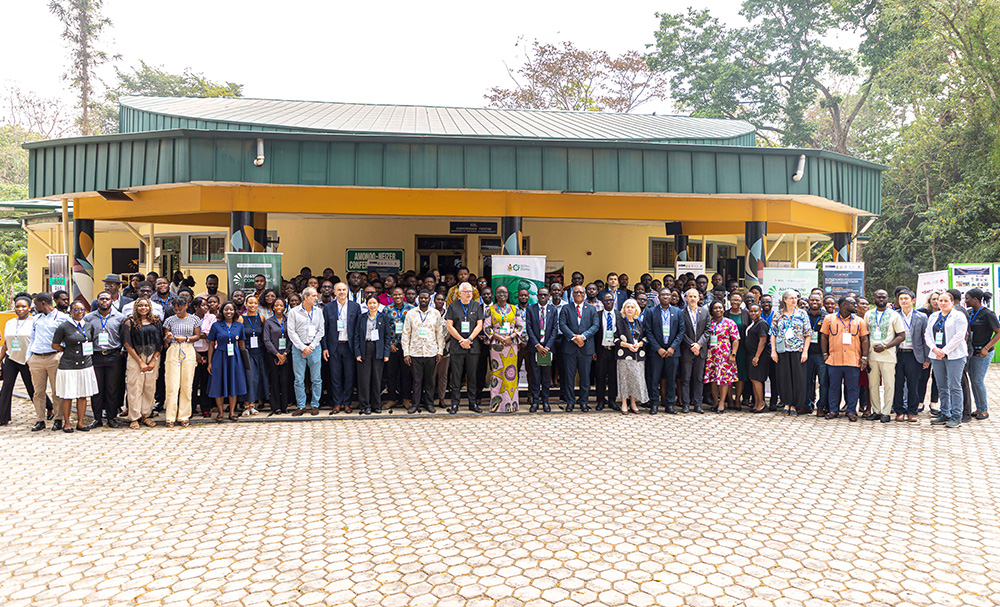
Kwame Nkrumah University of Science and Technology, Kumasi (KNUST) has opened the Artificial Intelligence for Sustainable Development (AI4SD) Mini Conference 2026, bringing together researchers, industry leaders, policymakers and international collaborators to explore the theme, “Leveraging Artificial Intelligence for the Sustainable Development Goals.”
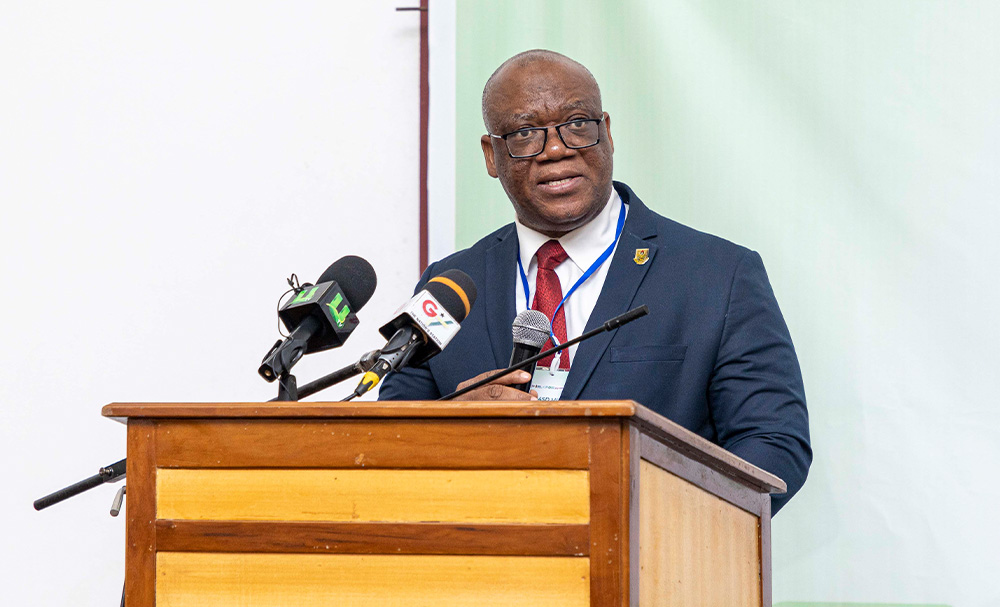
Welcoming participants, AI4SD Project Lead Professor Jerry John Kponyo described the theme as both an ambition and a mandate.
“This conference is rooted in the conviction that AI must serve humanity. We are here not merely to discuss technology in the abstract, but to examine how AI can be designed and deployed to be context-aware, inclusive and sustainable, directly supporting the development goals that define our collective future,” Prof. Kponyo said.
He said the AI4SD initiative was established to bridge the gap between advanced research and the everyday realities of communities.
“When we speak of leveraging AI for the SDGs, we are talking about moving beyond the hype of algorithms to the reality of impact,” he stated. “This project was born out of necessity. As a project, our vision has been to cultivate an ecosystem where research meets real-world application.”
Prof. Kponyo outlined achievements under the project across agriculture, healthcare, energy and environmental sustainability. He underscored the importance of partnerships, acknowledging collaborations with Université Paris-Saclay, the Ghana Atomic Energy Commission and researchers from CNRS, with support from the French Embassy in Ghana, Agence Française de Développement (AFD) and the International Development Research Centre (IDRC).
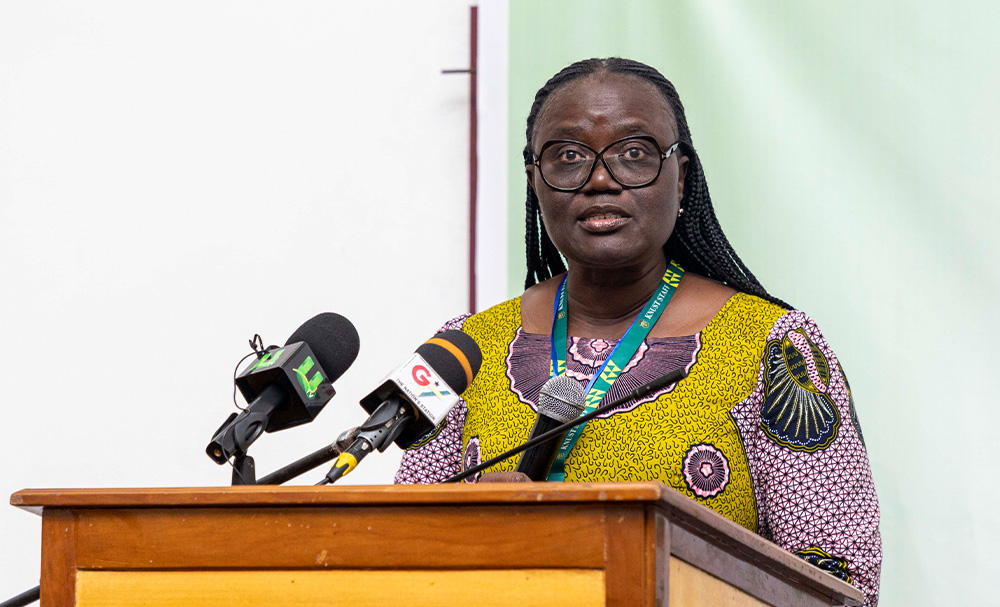
KNUST Vice-Chancellor Professor (Mrs.) Rita Akosua Dickson called for continuity and urged stakeholders to sustain the project’s momentum beyond its initial phase.
“We should not concern ourselves with whether the project is coming to an end,” Prof. Dickson said. “What the project has started, and what it continues to do for humanity, must endure.”
She warned that discontinuing such initiatives could undermine progress.
“Humanity must continue to benefit from the impact of this work. It would be a great loss to close a chapter that has delivered so much value,” she added. “We must look toward the next phase.”
Prof. Dickson stressed the limited time remaining to achieve the Sustainable Development Goals (SDGs) and called for creativity, technology and financial resources to accelerate progress.
“Considering the fact we are running out of time, it is very strategic and smart to leverage these emerging technologies, including AI, to reap the benefits in achieving the SDGs with the limited time left,” she said.
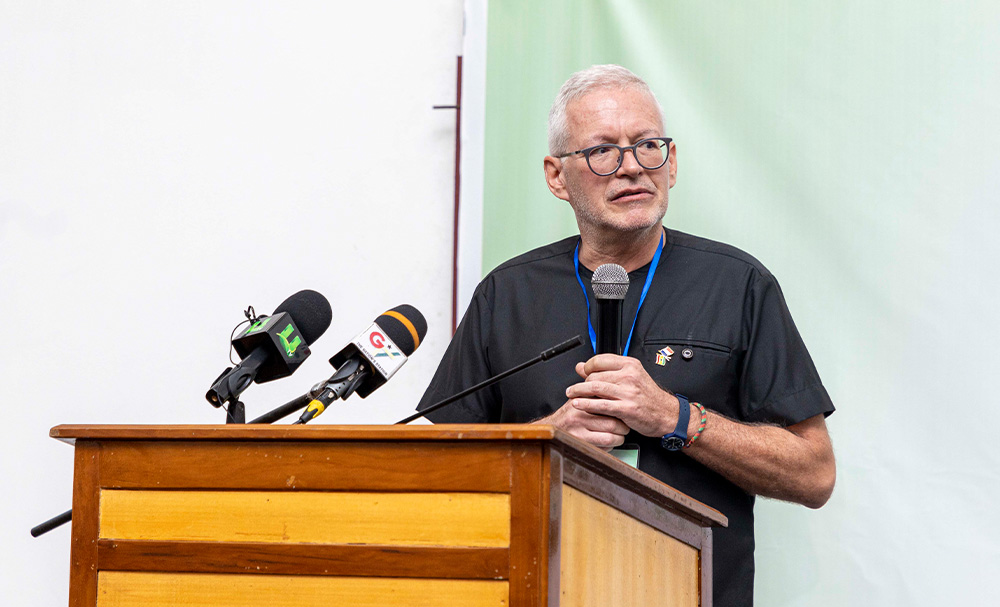
Julien Lecas, Head of Cooperation and Cultural Action at the French Embassy, said their support aims to foster collaboration and joint learning among partners.
“From the perspective of the French Embassy, supporting AI4SD is about creating the conditions for shared work and shared learning,” he said.
Addressing participants on behalf of the Provost of the College of Engineering, Professor Emmanuel Frimpong, Dean of the Faculty of Electrical and Computer Engineering, expressed appreciation for the opportunity to engage experts from diverse sectors.
“We must pursue AI in order to gain sustainable development,” he said.
He noted that although AI can seem technical or distant, gatherings such as the conference help make the technology more human-centered and accessible.
“Sometimes AI seems abstract or reserved for specialists, but events like this make it clear that AI belongs to everyone,” he said. “Whether we work in academia, engineering, media or community development, we each contribute to shaping this technology.”
By: Abigail Ofori Photos: Isaac Kwaku Duah


