
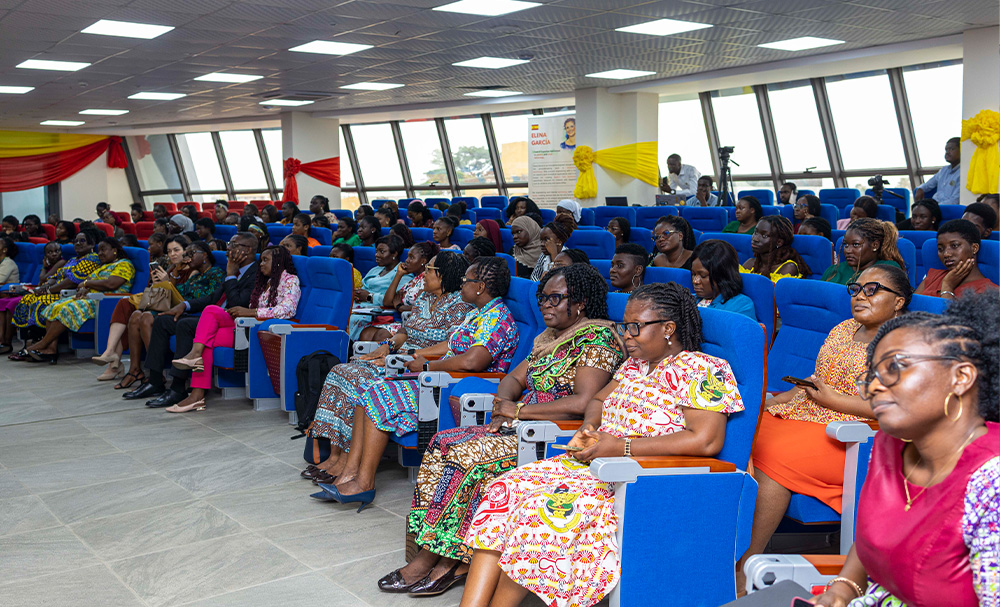
The International Programmes Office (IPO) of the Kwame Nkrumah University of Science and Technology, Kumasi (KNUST), in collaboration with the Spanish Embassy in Accra and Women in Science, Technology, Engineering and Mathematics Ghana (WiSTEMGh), has commemorated International Women’s Day with a call to strengthen women’s participation and leadership in STEM fields.
The event highlighted the achievements of women in science and encouraged greater inclusion, mentorship and opportunities for women and girls pursuing careers in science, technology, engineering and mathematics.
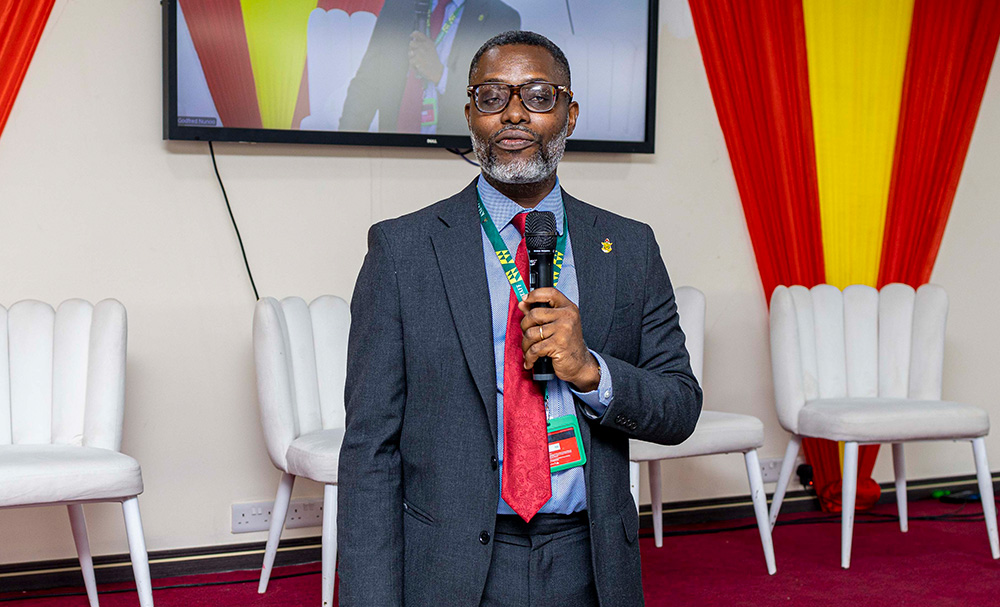
The Dean of the International Programmes Office, Prof. Edmund Ekuadzi, highlighted KNUST’s commitment to creating opportunities for women to excel in various fields.
“On Sunday, we marked International Women’s Day, and because women mean so much to us, we cannot do all that celebration in one day; that is why we chose today to continue the celebration,” he said. “Here at KNUST, we pride ourselves not only on setting examples for other institutions to follow, but also on creating an enabling environment for women in various fields to thrive.”
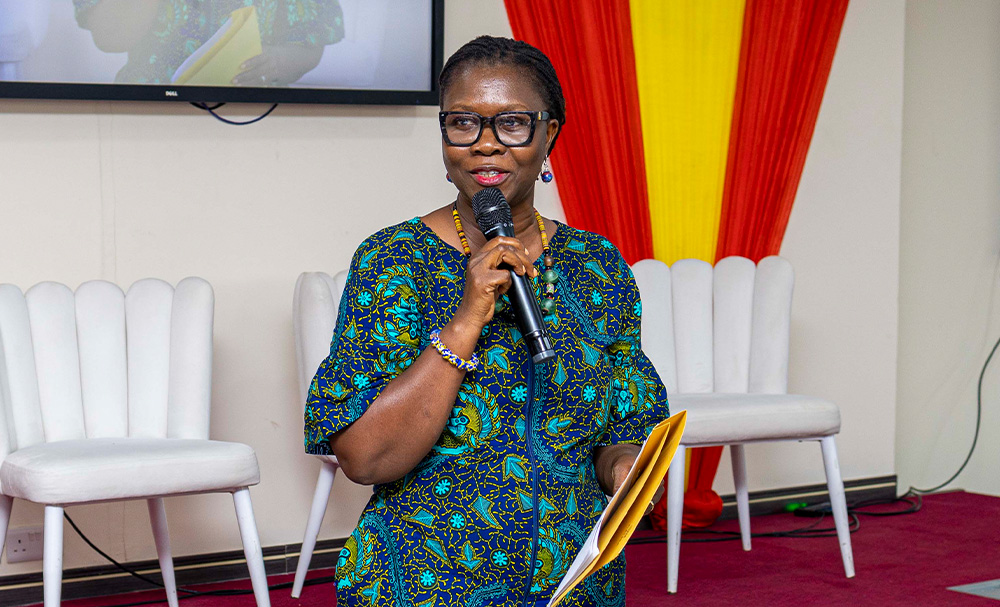
Delivering remarks on behalf of the Vice-Chancellor, Prof. Mercy Badu, Head of the Gender, Inclusion and Vulnerability Office (GIV), commended the collaboration between the university and its partners and stressed the importance of gender equity in education and research.
“International Women’s Day offers us an opportunity not only to celebrate the remarkable achievements of women, but also to reflect on how we can continue to build more inclusive systems and expand opportunities for all,” she said.
Prof. Badu also highlighted initiatives implemented by the university to support female participation in STEM, including an affirmative action policy that grants female applicants an additional aggregate point for admission into engineering programmes, flexible work schedules for nursing mothers returning from maternity leave and the establishment of the GIV Office to ensure that every member of the university community has the opportunity to thrive.
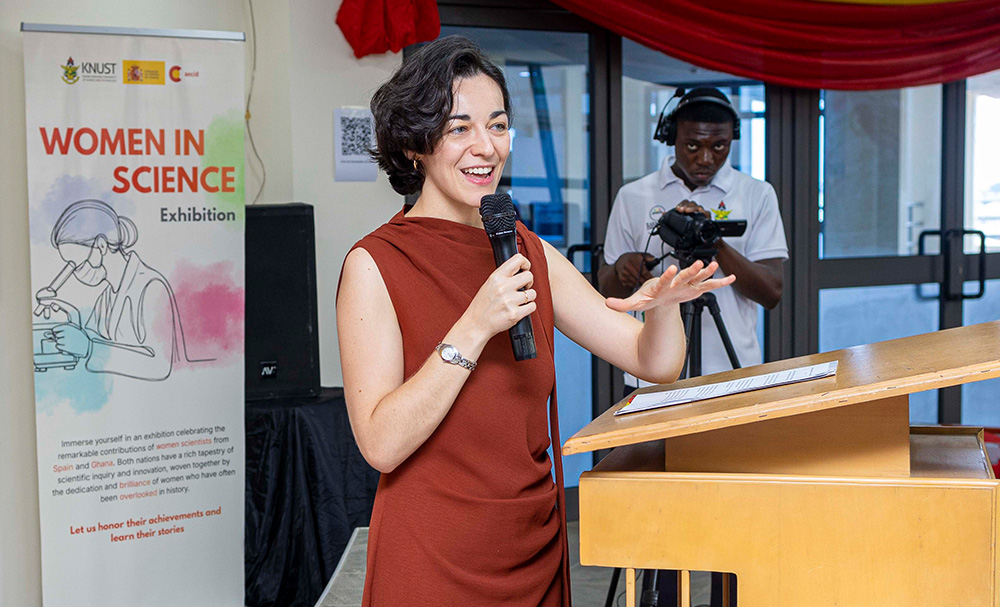
Isabel Ibarra, Deputy Head of Mission at the Spanish Embassy, said the programme celebrates the extraordinary contributions women make to society while recognising that barriers remain.
“It is an invitation to rethink the narratives that shape institutions, challenge assumptions that limit women’s participation in science and technology and build a future where talent, not gender, determines opportunity,” she said.
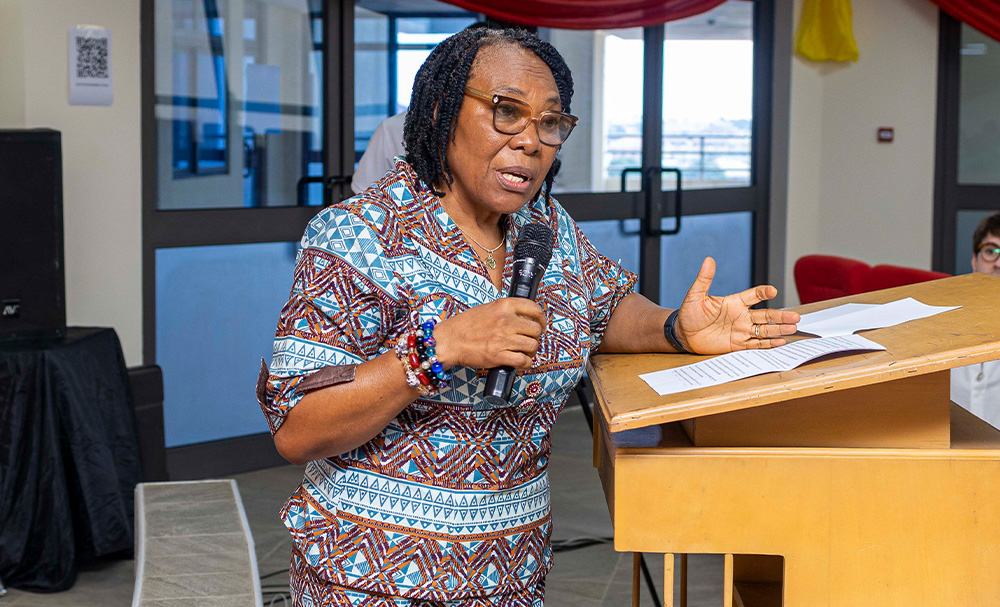
President of WiSTEMGh, Prof. (Mrs.) Ibok Oduro, urged stakeholders to actively support women in STEM.
“For many years, the rules in science, technology, engineering and mathematics were written in ways that limited access, confidence and leadership opportunities for women. Today, however, we are not simply asking for permission to participate; we are actively rewriting those rules,” she said.
She explained that mentorship, exposure and opportunities are essential to empowering the next generation of female scientists.
“When we give mentorship and exposure, we ignite transformation. When we give opportunity, we unlock innovation,” she said.
Prof. Oduro also highlighted the impact of WiSTEMGh initiatives such as the WiSTEM Girls’ Camp, which has grown from 80 participants in 2018 to 360 students from across multiple regions in 2025. She added that the organisation continues to implement community outreach initiatives.
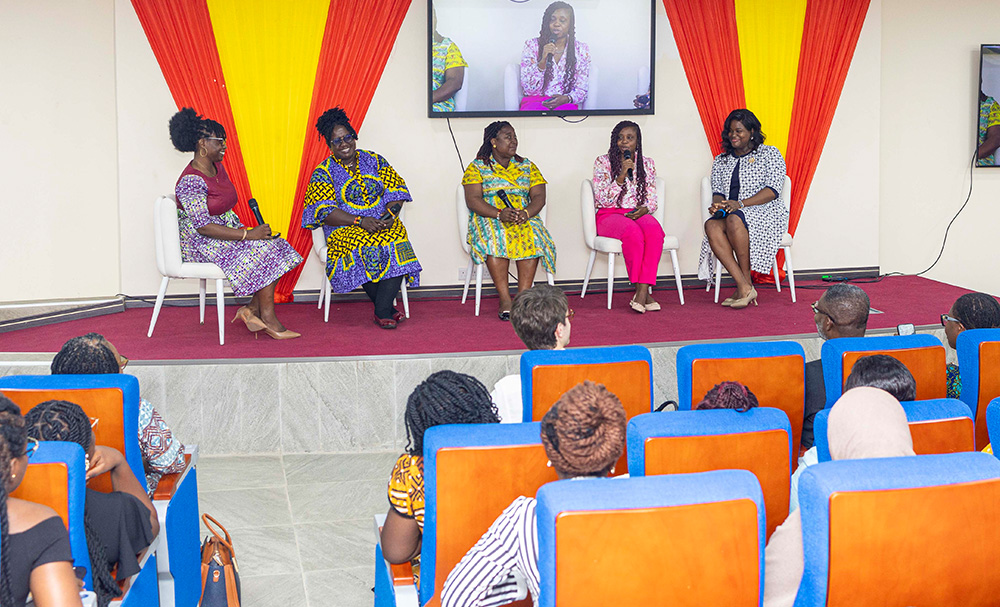
During a panel discussion, speakers shared insights on empowering women in STEM and other fields.
Prof. Priscilla Kolibea Mante encouraged women to trust their faith and pursue opportunities even in the face of uncertainty. She said she learned the values of consistency, persistence and community building from her mother, shaping her understanding of role models as exemplary characters rather than merely career paths.
Dr. (Mrs.) Linda Asare-Adjebeng-Bedu-Addo noted that African women often face burnout due to demanding caregiving responsibilities. She stressed that setting boundaries is essential to prevent self-neglect and urged professionals to prioritise self-care while mentoring others.
Dr. Mizpah Ama Dziedzorm Rockson emphasised the importance of empowering others to lead, noting that doing so increases visibility and fosters mutual success. She said women can excel in leadership roles while overcoming gender bias.
Thelma Tawiah advised women to share opportunities and support one another in overcoming professional challenges. She shared how she leveraged a friend’s writing skills to secure quick projects.


