
The Sustainable Aquatic Foods, Environment and Livelihoods (SAFEL) project has held an inception meeting with its partners to define research priorities and outline activities for investigating pollution in Ghana’s major river systems.
The project will assess heavy metal and pesticide contamination in the Pra and Volta river systems, focusing on their physiological, ecological, health and socioeconomic impacts.
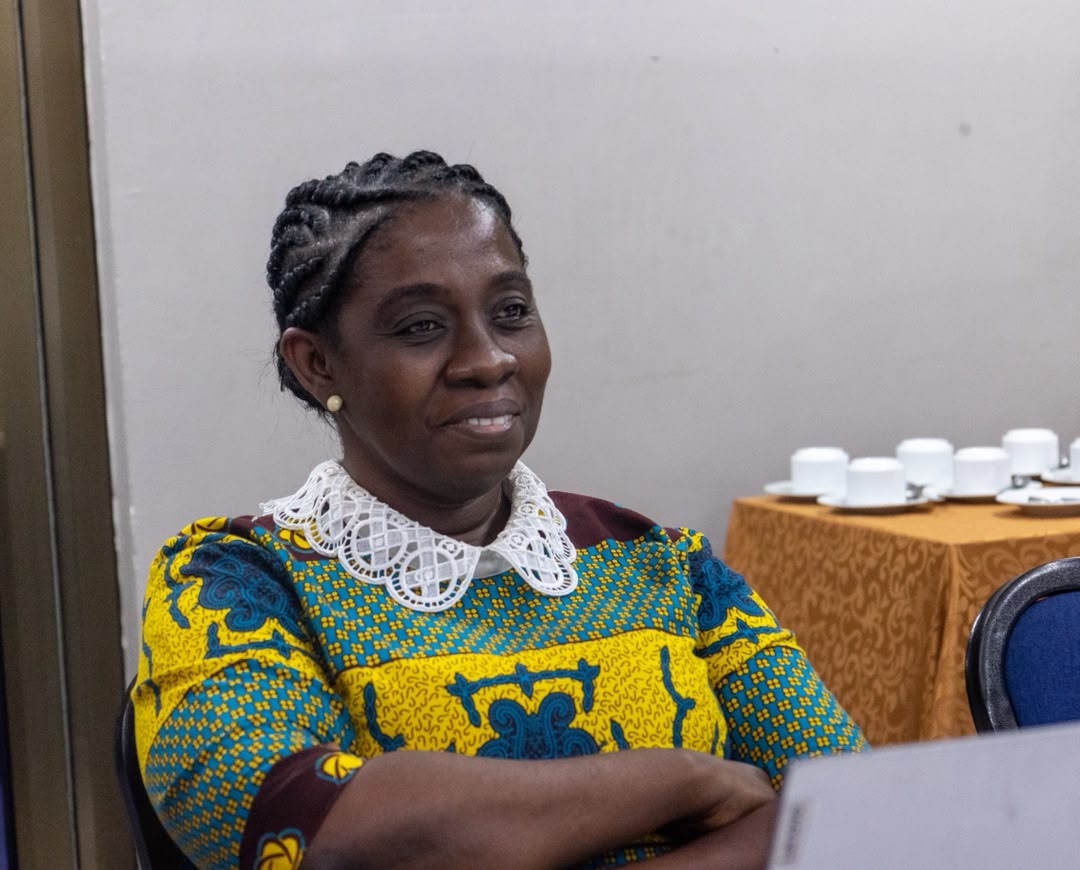
Prof. Regina Esi Edziyie, Project Lead at the Kwame Nkrumah University of Science and Technology, Kumasi (KNUST), said the research would examine the effects of pollution on aquatic organisms, and the benefits people derive from these ecosystems.
“The project is about aquatic ecosystems and the contamination that occurs, how it affects us in terms of our food and our health and livelihoods, , as well as how it affects the organisms that live in the water and the services they provide for us,” she said.
She identified heavy metal pollution from illegal small-scale mining, commonly known as galamsey, and pesticide contamination associated with increased agricultural production as the project's two main areas of focus.
The research will identify contamination hotspots and early warning indicators, assess seasonal variations in pollution levels, identify vulnerable communities and develop accessible fish consumption advisories.
Prof. Edziyie described the meeting as productive, noting that it had helped partners refine the project’s work packages and agree on a clear implementation framework. It allowed students and supervisors to interact and visit the field prior to finalizing field methods.
“I think it has been a very fruitful meeting. It has been a working meeting and not a time for making speeches and plenty of talking. We have gone through each of the work packages and tried to define them better, asking ourselves exactly what we want to do and what we need to make it happen,” she remarked.
She also highlighted capacity building as a key component, revealing that the project would support five PhD and five MPhil students to develop expertise in various areas of aquatic research.
The training, she noted, would strengthen local research capacity and support continued work on environmental challenges beyond the project's duration.
Michael Sedohia, an MPhil beneficiary, said the opportunity would help him develop expertise in ecotoxicology, fish physiology, environmental monitoring and pollution assessment.
“This project serves as a stepping stone for me to pursue advanced research and contribute greatly to addressing environmental challenges affecting aquatic ecosystems in Ghana,” he said.
Andoh Kwaku Amponsah, a PhD beneficiary, described the opportunity as a significant milestone in his academic journey.
“I envision this degree shaping me into an independent researcher capable of addressing complex environmental challenges through innovative, evidence-based research,” he said.
Project partners from Denmark Technical University; Prof Peter Skov, and Drs Ivar Lung and Manuel Gesto Rodriguez, attended the meeting to discuss their respective roles in implementing the research activities. Other researchers on the project are Prof Daniel Adjei-Boateng, Prof. Kwasi Obirikorang, Dr Bernice Wadei and Barbara Gyapong-Korsah from KNUST, Dr Ebenezer Ebo Yahans Amuah from Takoradi Technical University, and Dr Heidi Amlund from Denmark Technical University.
The SAFEL project is funded by the Danish International Development Agency (DANIDA)


