
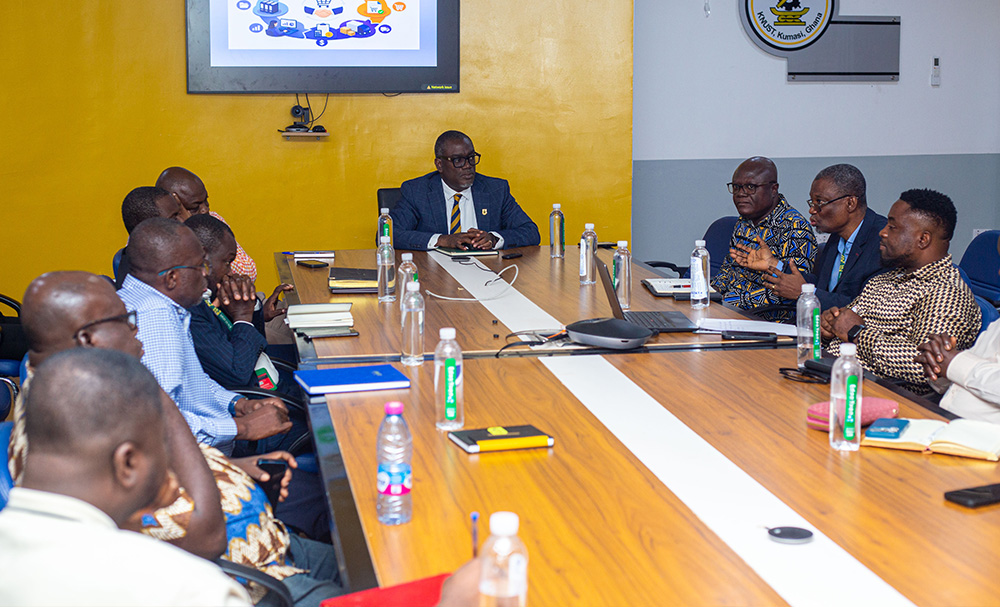
The College of Engineering at the Kwame Nkrumah University of Science and Technology (KNUST), Kumasi, has organised a procurement workshop to enhance staff understanding of public procurement procedures and promote transparency, accountability, and efficiency in institutional purchasing processes.
The workshop forms part of the College’s efforts to strengthen compliance with the Public Procurement Act and ensure that procurement activities are guided by effective planning, budgeting, and value-for-money principles.

Provost of the College of Engineering, Professor Kwabena Biritwum Nyarko, emphasised the need for departments to prioritise their procurement needs carefully and avoid unnecessary expenditure. He stressed that procurement decisions should be based on institutional requirements rather than personal preferences.
“Procurement should not be driven by personal preferences,” he stated. “Every request must be justified within the approved budget and procurement plan to ensure prudent use of institutional resources.”
Professor Biritwum Nyarko further highlighted the importance of submitting detailed and well-prepared procurement requisitions. According to him, departments requesting goods and services must provide clear specifications to eliminate ambiguity and facilitate transparent and efficient tendering processes.
He also cautioned staff against bypassing established procurement procedures, noting that violations of the Public Procurement Act attract severe sanctions, including fines and possible imprisonment. He therefore urged all staff to channel procurement requests through the appropriate institutional structures and refrain from making unauthorised purchases.

Speaking at the workshop, Assistant Procurement Officer, Mrs. Janet Nakua, explained that tender evaluation panels are constituted on an ad hoc basis and must include individuals with the relevant technical expertise, depending on the nature of the procurement.
“For technical procurements such as computers or equipment, technical experts must form part of the evaluation panel to ensure quality assessment and compliance with specifications,” she noted.
The workshop also highlighted the importance of effective procurement planning and budgeting. Participants were reminded that all procurement requests must originate from approved procurement plans and align with institutional budgets to promote accountability and efficient resource utilisation.


