
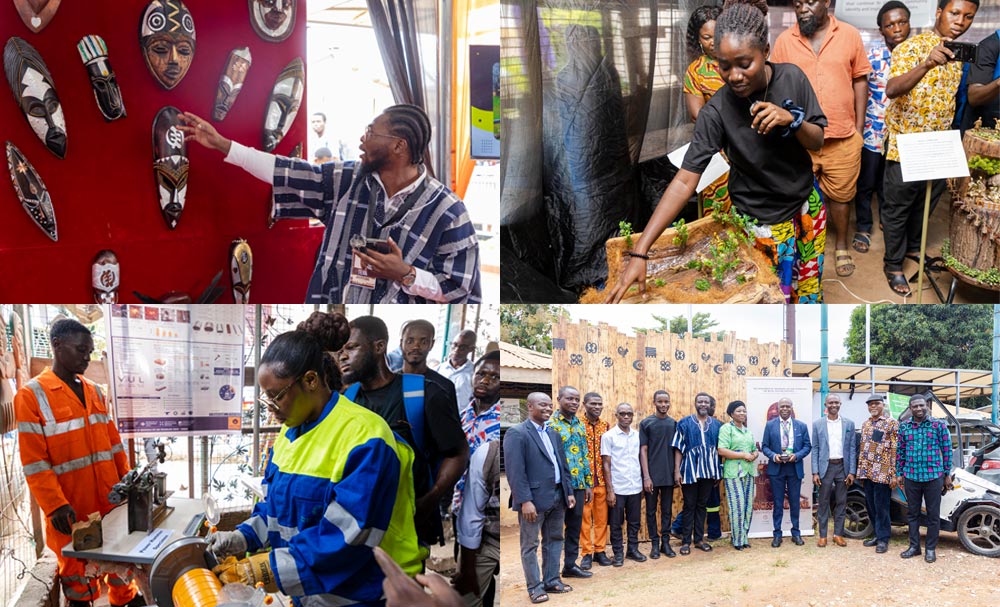
The Metal Fabrication Section of the Department of Indigenous Art and Technology at the Kwame Nkrumah University of Science and Technology (KNUST), Kumasi, has staged two complementary exhibitions, Ahintade and Ancestral Trails, highlighting students' creativity, technical competence and appreciation of Ghana's cultural heritage through contemporary metal art.
The exhibitions present the outcomes of semester-long studio projects by second- and final-year students enrolled in the Integrated Metal Projects, Traditional Foundry Processes and Traditional Metal Forming Techniques courses. Guided by lecturers, technicians and teaching assistants, the students transformed Ghanaian cultural traditions, ancestral stories, festivals and communal experiences into contemporary artworks using innovative metal fabrication techniques.
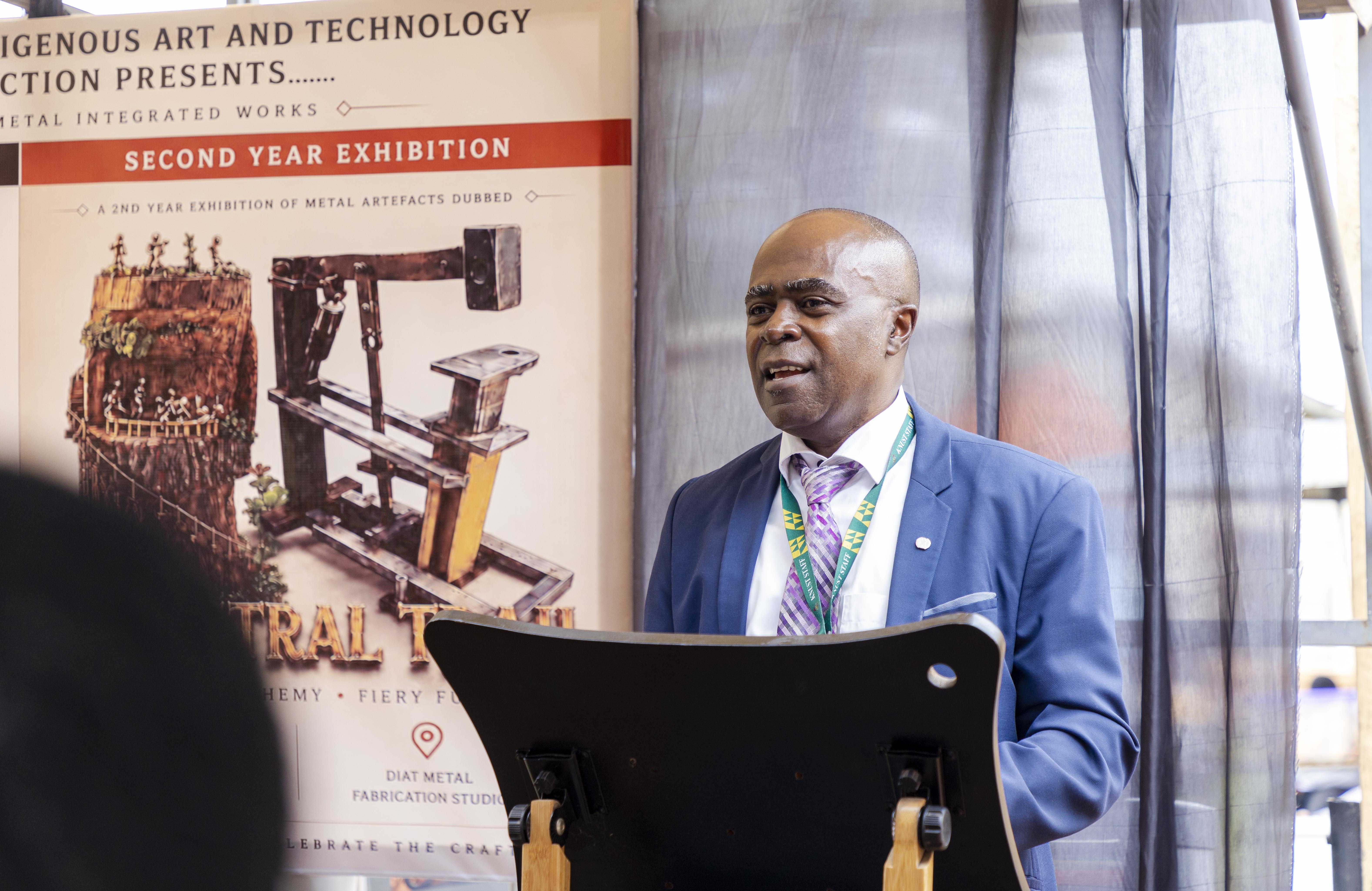
The Provost of the College of Art and Built Environment, Professor Christian Koranteng, described the exhibitions as more than a display of academic work, calling them "an act of cultural recovery."
"You will not be looking at student projects or the final submissions of a metalworking assessment. You will be looking at something far more significant. Our students have reached back across generations and proved, in brass, bronze, carved wood, and light, that our traditions are not obsolete but alive and urgently relevant," he said.
Professor Koranteng said the exhibitions reclaim the African mask as a living cultural symbol rather than a museum artefact, encouraging visitors to engage with the deeper meanings embedded in each piece.
"Every mask carries a memory. Every cast figure holds a conversation between the living and the dead. Our students did not merely make objects; they kept a language from being forgotten," he said.
He also announced that the exhibitions would be comprehensively documented to produce an instructional manual capturing the creative processes, cultural reasoning, technical decisions and lessons learned throughout the project.
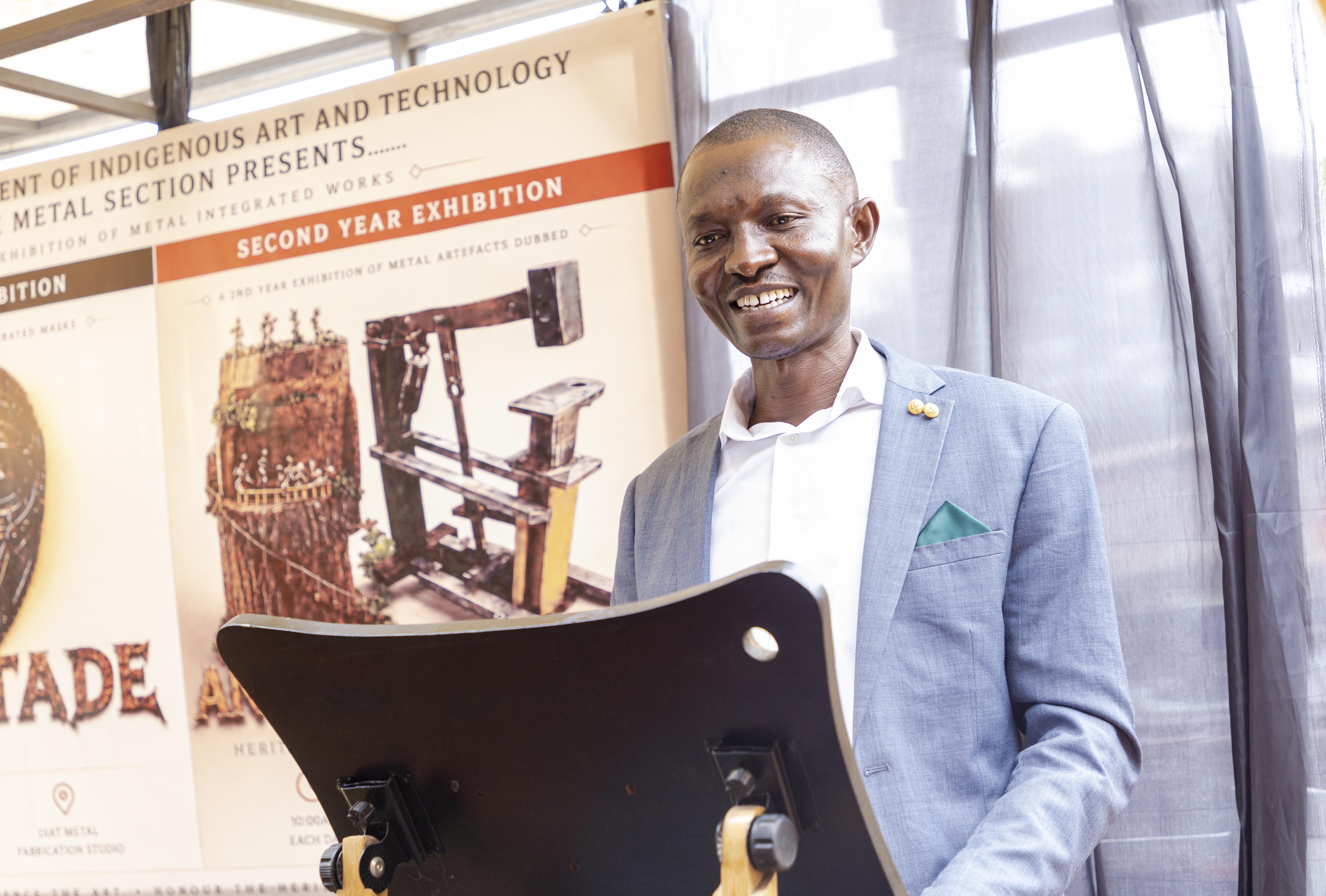
The Head of the Department of Indigenous Art and Technology, Dr. Kwabena Asubonteng, described the Ahintade exhibition as a reflection of the Department's mandate to reinterpret indigenous philosophies, ideas and processes through contemporary practice.
He explained that the exhibition's title, rooted in indigenous concepts and presented through modern interpretations, aptly captures the creative works of second- and final-year students.
"Ahintade is well branded in indigenous concepts interpreted in a modern sense; therefore, it is the right title for this exhibition," he said.
Dr. Asubonteng noted that while the Department continues to advance its mandate, challenges including limited funding, inadequate studio infrastructure, machinery and workspace remain. He added that the Department continues to find innovative ways to support teaching, learning and creative production.
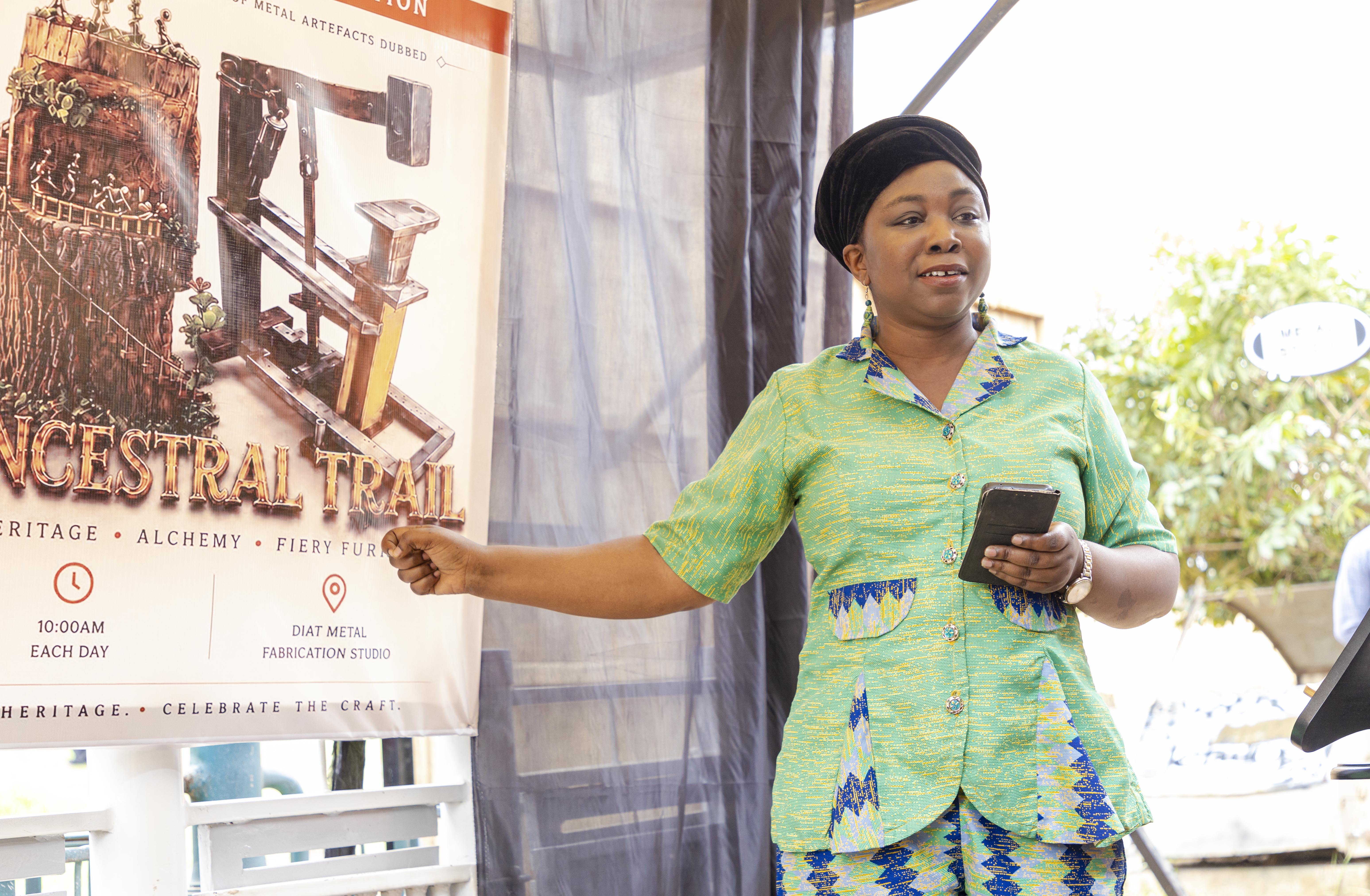
The Director of Student Affairs, Professor Marian Asantewah Nkansah, commended the students for reconnecting with indigenous knowledge systems through artistic practice. She said understanding ancestral technologies provides a foundation for innovation and cultural identity.
"To move forward effectively, we must first rediscover where we come from. The transformation of metal into art is not only an expression of science and creativity but also a powerful way of preserving knowledge, educating society, and celebrating our heritage," she said.
Dr. Benjamin Ansah, lead organiser of the exhibitions, said the project would go beyond the exhibition itself by developing instructional guides for the Integrated Metal Projects, Traditional Metal Forming Techniques and Traditional Foundry Processes courses.
"This project extends beyond the exhibition by creating resources to enhance teaching and learning in metal arts," he said.
He added that the documentation would strengthen teaching, learning and research in metal arts education while preserving indigenous metalworking knowledge for future generations.
Emmanuel Owusu, student chairman of the exhibition, reflected on the semester-long journey that challenged students to reinterpret traditional masks using metal and integrated materials.
"The artworks on display reflect our learning, dedication, and ability to present traditional concepts through contemporary metal art. We hope visitors appreciate both the cultural stories behind each piece and the technical creativity involved," he said.
Story: Ama Pokuaa Mensah Photos: Emmanuel Offei


