
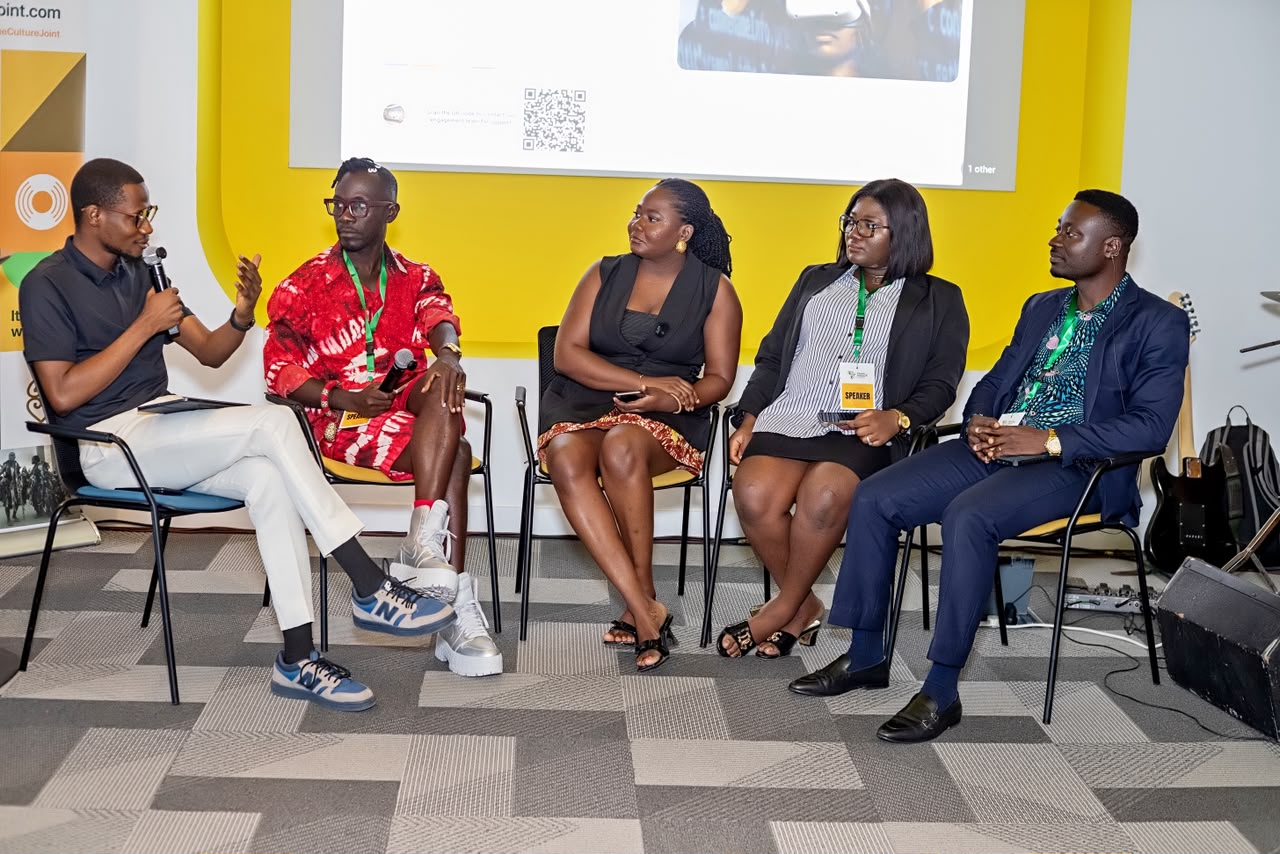
The DIPPER Lab at the Kwame Nkrumah University of Science and Technology, Kumasi (KNUST) has called for greater integration of scientific research, indigenous knowledge and creative approaches to improve climate communication and help communities respond to climate change.
Dr Enoch Bessah, the lab’s Lead for Climate Change and Ecosystem Services Monitoring, said combining traditional weather forecasting practices with scientific data could help communities make better-informed decisions as weather patterns change.
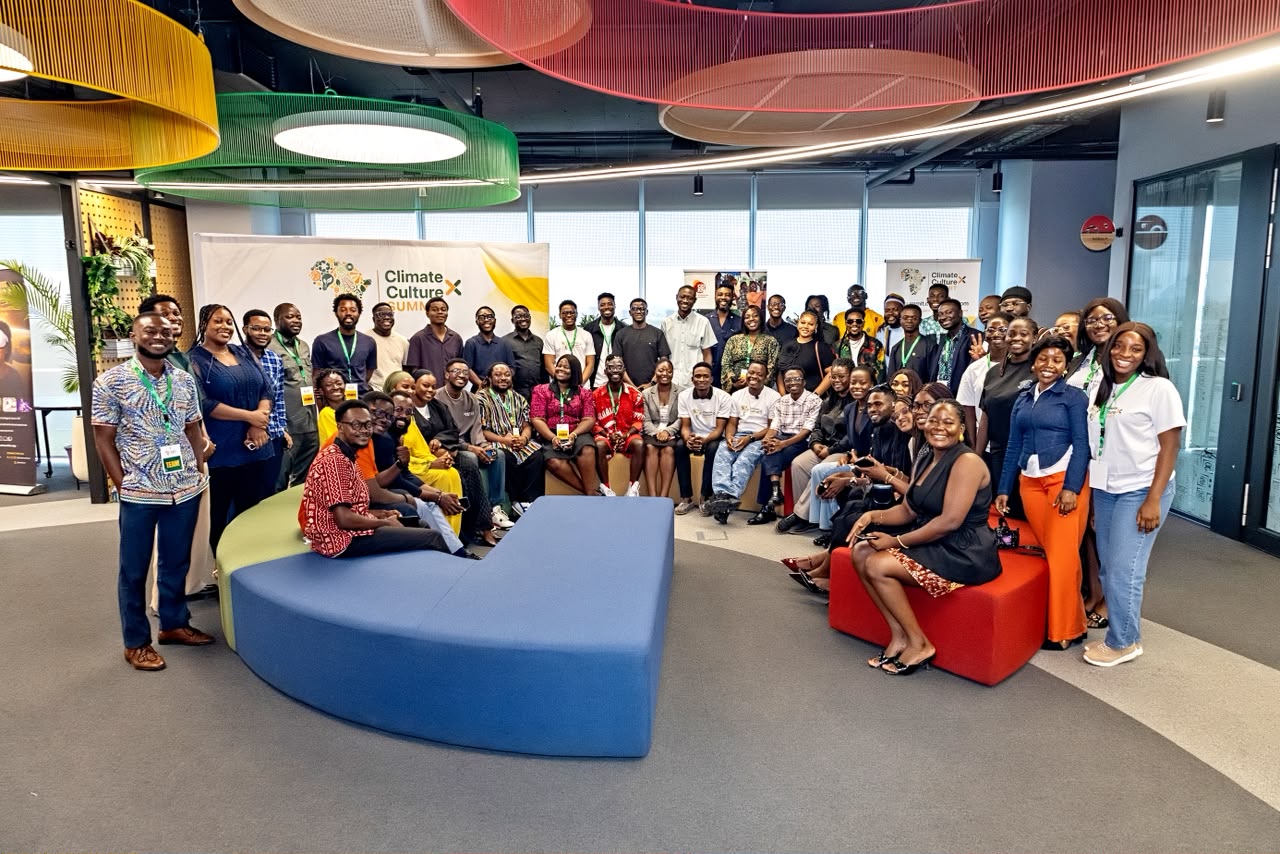
He was speaking during a panel discussion on “The Big Picture – Why Creativity Matters in the Climate Decade” at the inaugural Climate x Culture Summit 2026. Culture Joint organised the summit in partnership with the Office of the Minister of State in charge of Climate Change and Sustainability at the Office of the President.
Held at the Google AI Community Centre in Accra, the summit brought together climate practitioners, researchers, policymakers and creatives to explore how culture, technology and innovation could strengthen climate awareness and support sustainable development.
Dr Bessah said the “DIPPER Lab’s work on the Smart Indigenous Weather App (SIWA) demonstrates how scientific research can build on existing community knowledge to address practical climate challenges”.
Musician and climate activist Okyeame Kwame said creative approaches to climate action must reflect the cultural practices and knowledge systems of individual communities.
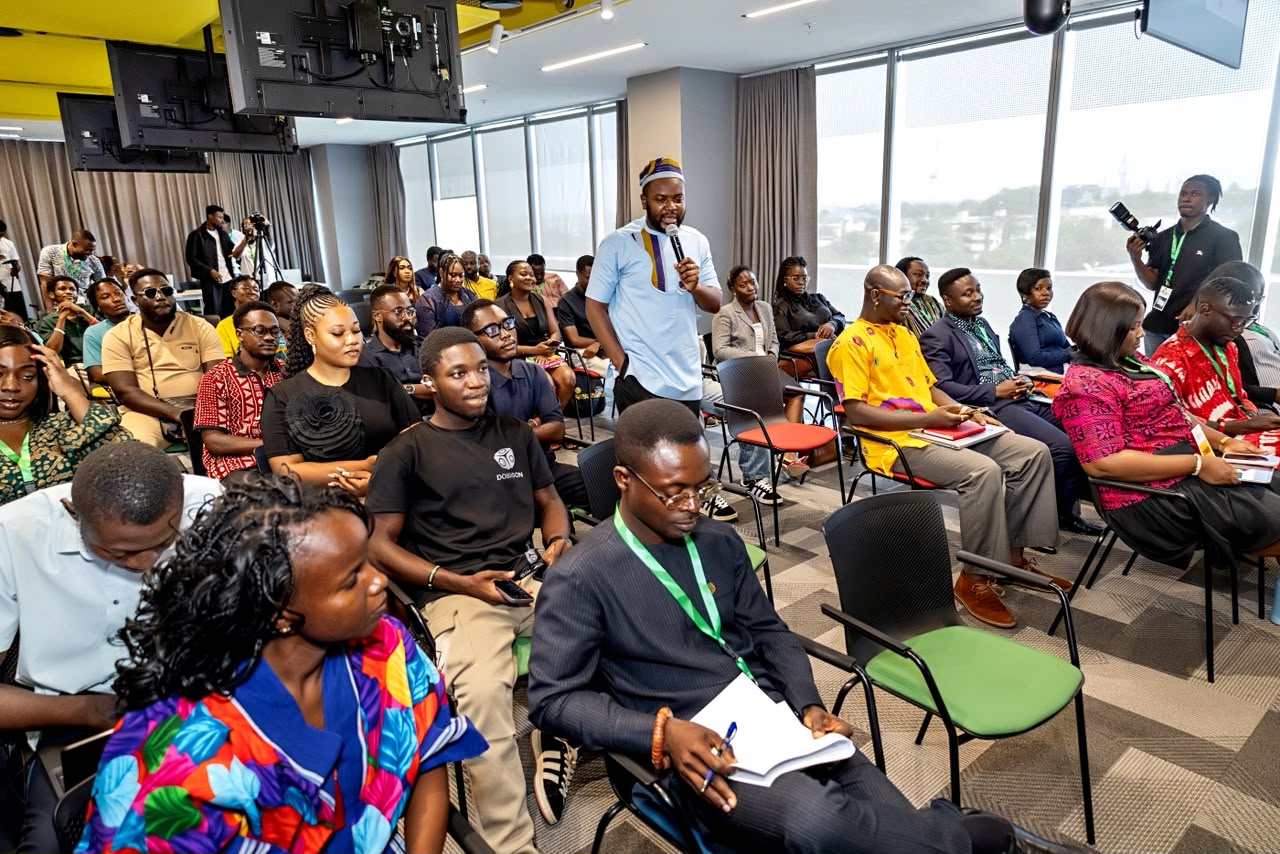
He said music, poetry, drumming, dance and festivals could help communicate environmental messages and preserve indigenous practices that support sustainability.
“Every community has a unique way of dealing with ideas, which is indigenous knowledge,” he said, urging artists and content creators to engage communities and document their traditions.
Culture Joint founder Kenneth Awotwe Darko said culture was inseparable from development because it shaped how people understood their environment, organised their communities and decided what to value and protect.
He said “climate action in Africa must place African knowledge and imagination at its centre, noting that the climate crisis was also linked to how societies live, consume resources and define progress”.
Valerie Kplorm Nutakor, Programme Coordinator at the Climate and Development Knowledge Network (CDKN), stressed “the need for deliberate action on climate change”.
Betty Osei Bonsu Adjei, Director of Operations and Programmes at the Green Africa Youth Organization (GAYO), urged “stakeholders in the creative sector to take advantage of funding opportunities available for climate and culture initiatives”.
Expected outcomes of the summit include the Accra Climate Culture Accord, which will record commitments from participants and partners, and work towards a Sustainable Event Production Guide for Ghana’s creative and events industries.


