
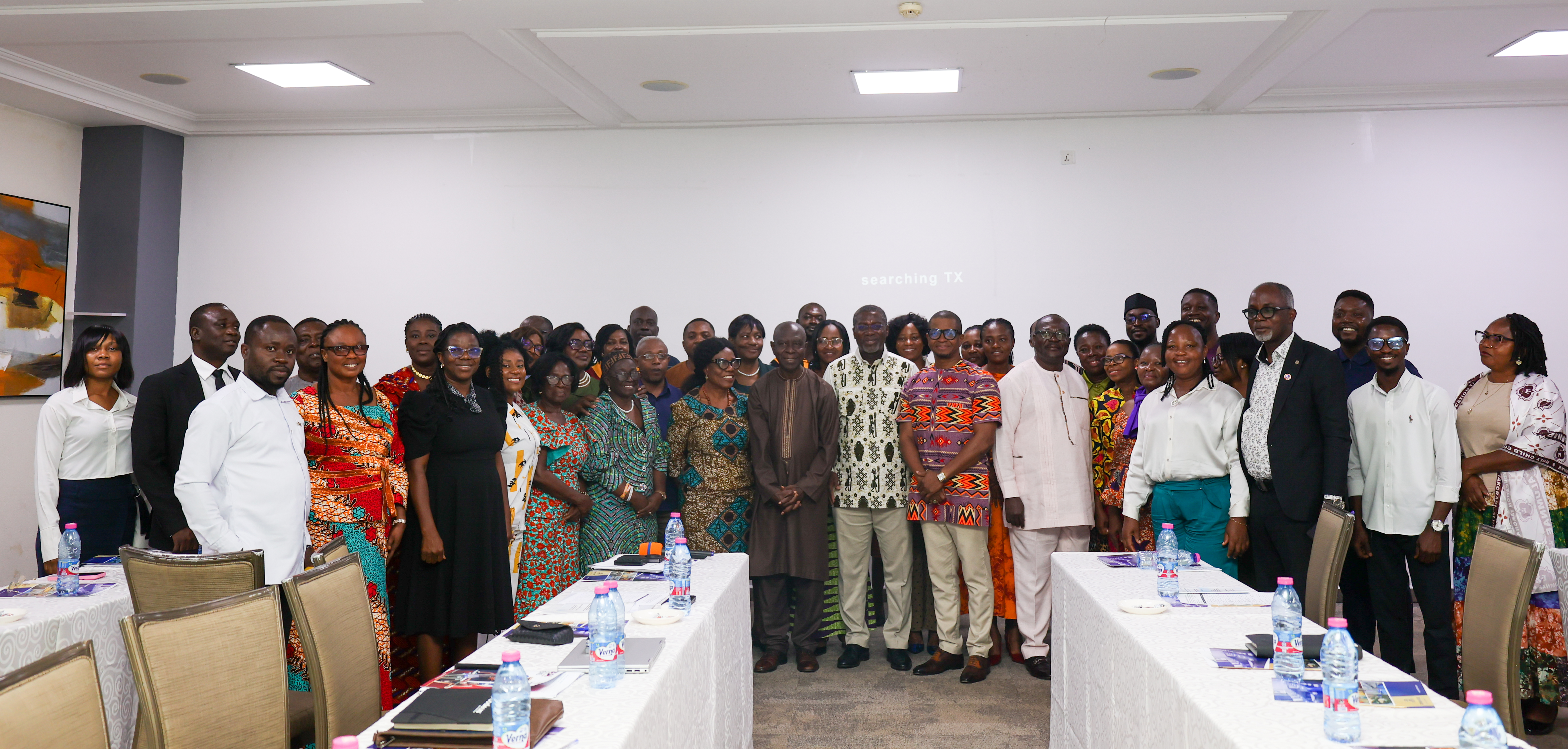
A new KNUST-led study has found that integrating children's language, culture and everyday experiences into classroom teaching boosts learning, builds confidence, improves classroom participation and even reduces truancy.
The findings were presented at the National Dissemination and Policy Dialogue for the KNUST–IDRC/KIX-GPE research project, "The Impact of Culturally Responsive Teaching Practices on Social and Emotional Development in Diverse Early Childhood Classrooms in Ghana."
The event brought together policymakers, researchers, education practitioners and development partners to discuss the study's implications for education policy and practice.
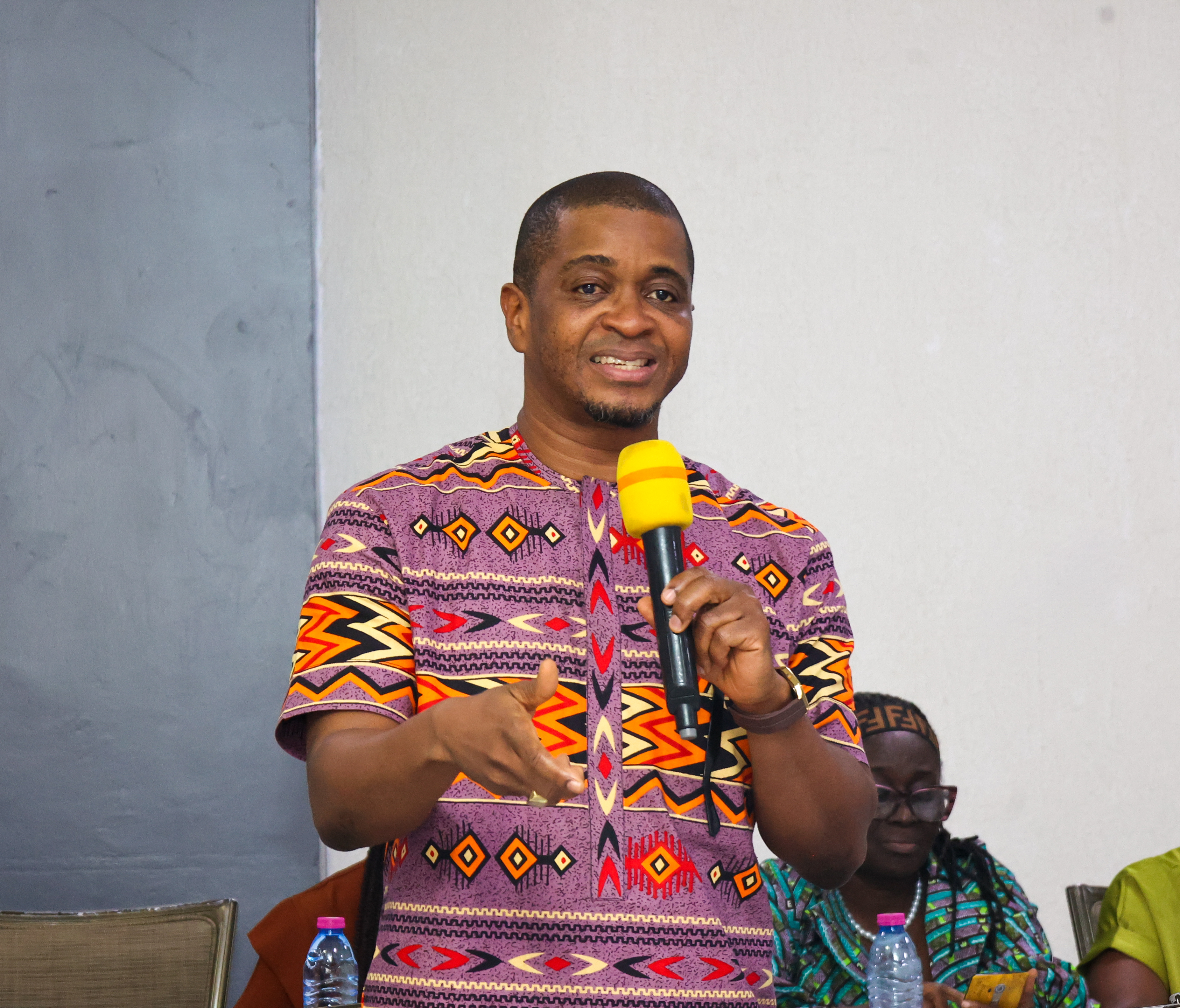
Presenting the findings, Co-Principal Investigator Professor Winston Kwame Abroampa said the intervention produced benefits beyond the study's original objectives, including an unexpected decline in school absenteeism.
"The research wasn't designed to address truancy, but we found that children were attending school more regularly because they enjoyed learning through local songs, language and culturally relevant activities," he said.
Professor Abroampa said teachers increasingly incorporated indigenous languages, local names and culturally familiar examples into classroom instruction, making lessons more engaging and relevant to pupils. Parents also reported improvements in their children's confidence and participation in class.
The study found that both girls and boys benefited equally from the intervention across urban and rural schools. While positive outcomes were recorded in all settings, improvements were more pronounced in rural communities, where greater cultural and linguistic homogeneity made culturally responsive teaching easier to implement.
Based on the findings, the researchers recommended integrating Culturally Responsive Teaching Practices (CRTP) with Gender Equity and Social Inclusion (GESI) strategies, saying the combined approach delivers stronger learning outcomes than implementing either intervention separately.
The team also recommended developing bilingual and culturally relevant teaching materials, strengthening community participation in education, and embedding culturally responsive teaching into pre-service teacher education and continuous professional development programmes.
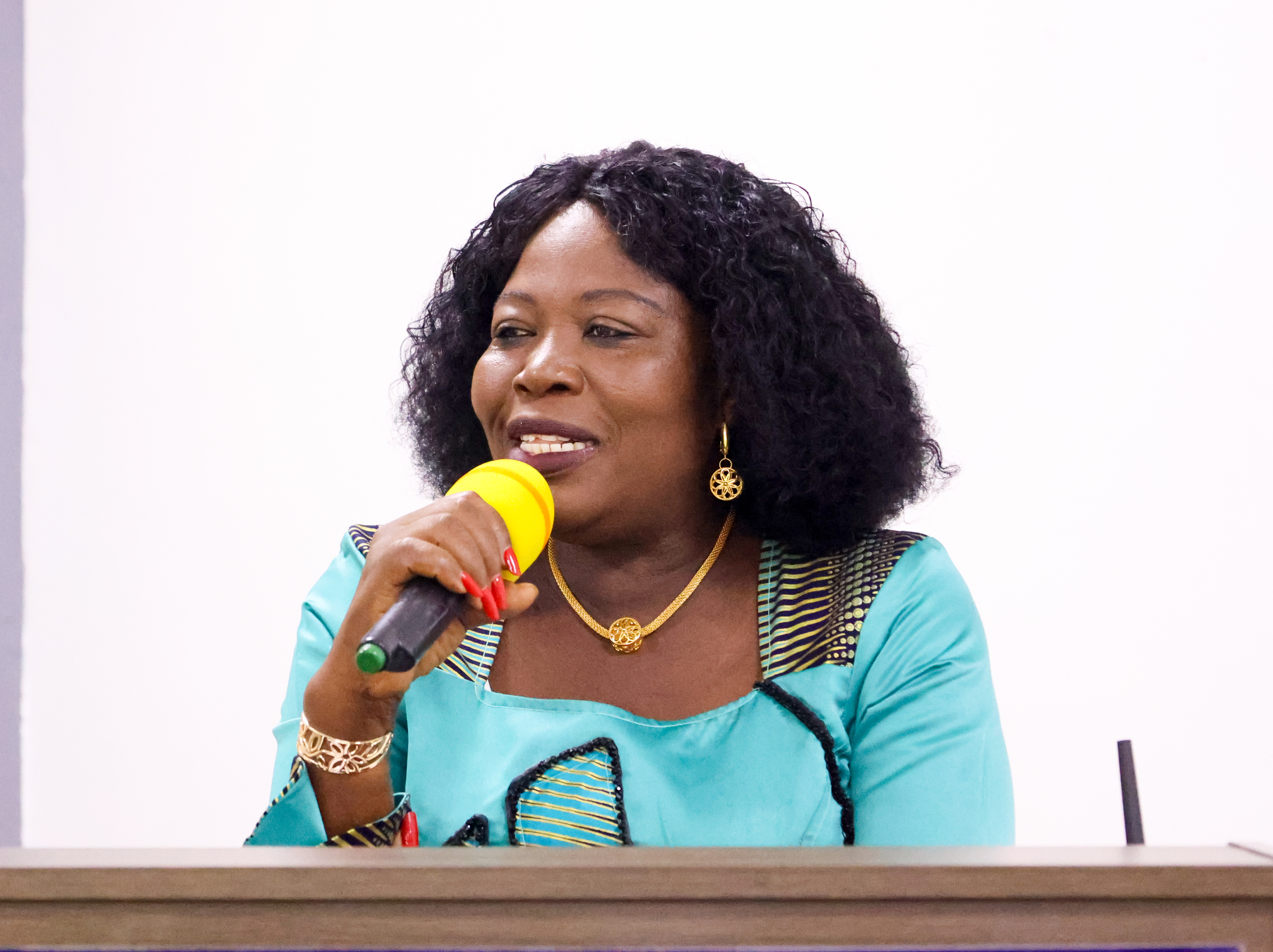
The Director in charge of Early Childhood Education, Ms Addisa Tasa, described the findings as timely, saying strengthening early childhood education is essential to developing Ghana's future workforce.
"Without a strong foundation, we cannot build solid human resources. Social and emotional learning is critical to every child's development, and culture is something we cannot separate from education.
Today, many children lack patience, compassion and emotional resilience because of the way they are being raised and taught. Parents are spending less time with their children, while television and digital media have become their teachers," she said.
She added: "Integrating social-emotional learning into early childhood education is therefore essential, and I am encouraged that universities and government agencies are now working together to make this happen."
Speaking on behalf of the Minister for Education, Mr Isaac Atta Baah said the research provides evidence to support Ghana's efforts to build a more inclusive and effective education system.
"As we strive to build a more inclusive and effective educational system, understanding how our teaching practices resonate with the diverse cultural backgrounds of our youngest learners is paramount.
Social and emotional development forms the bedrock of every child's future success, and culturally responsive classrooms are an essential part of that foundation," he said.
Dr Samuel Awuku, representing the Ghana Education Service, said the findings align with government efforts to strengthen foundational learning and ongoing curriculum reforms.
"The work you have done fits perfectly with government priorities. The goal is not to bring cultural studies back as a separate subject, but to leverage our identity, cultural values and stories to enrich teaching and learning, particularly in early childhood education."
Dr Awuku said integrating learners' culture, language and lived experiences into classroom instruction can strengthen literacy, critical thinking, problem-solving, communication and socio-emotional development.
The event featured a panel discussion on translating the research into policy and classroom practice, with education experts, policymakers and development partners examining strategies for scaling up culturally responsive teaching nationwide. Participants also took part in an interactive session on implementing the study's recommendations.
Closing the event, Project Lead Professor Paul Sarfo-Mensah thanked the funding partners, collaborators and stakeholders for their support and called for sustained collaboration between academia, government and communities to ensure the findings inform policy and improve learning outcomes for children across Ghana.
The research team comprised Professor Paul Sarfo-Mensah (Principal Investigator), Professor Winston Kwame Abroampa (Co-Principal Investigator), Professor Rudith King, Professor Ernestina Fredua Antoh, Professor Sampson Edusah, Professor Ebenezer Owusu Addo and Dr Latif Apaassongo Ibrahim, who led the project's data analysis and evaluation.
The study was funded by the International Development Research Centre (IDRC) through the Global Partnership for Education Knowledge and Innovation Exchange (KIX-GPE) programme and was implemented between July 1, 2024, and June 30, 2026.
Story: Barkisu Mohammed


