
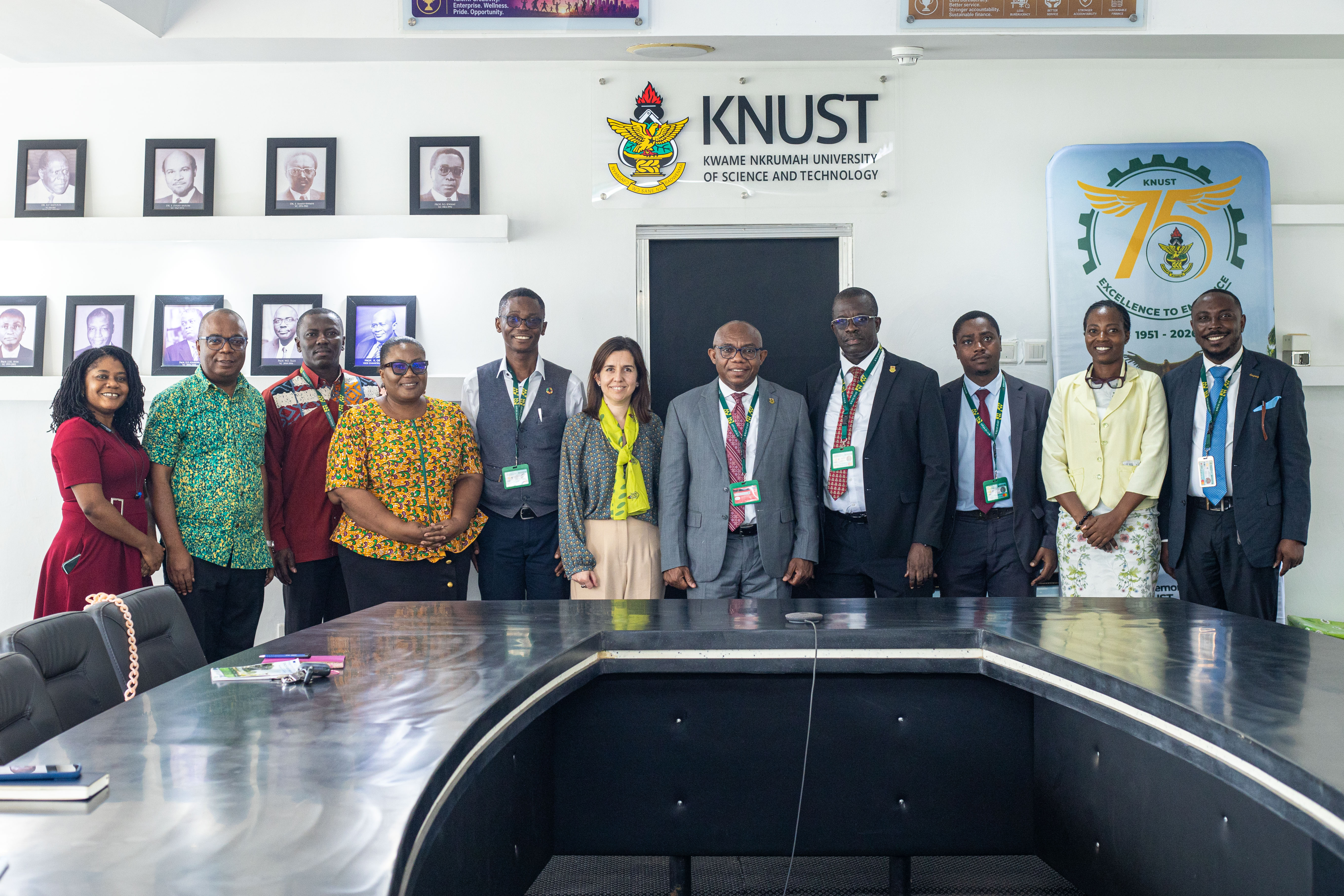
The Vice-Chancellor of the Kwame Nkrumah University of Science and Technology, Kumasi (KNUST), Professor Christian Agyare, has reaffirmed the university’s commitment to strengthening collaboration among African institutions through the Intra-Africa Academic Mobility Scheme.
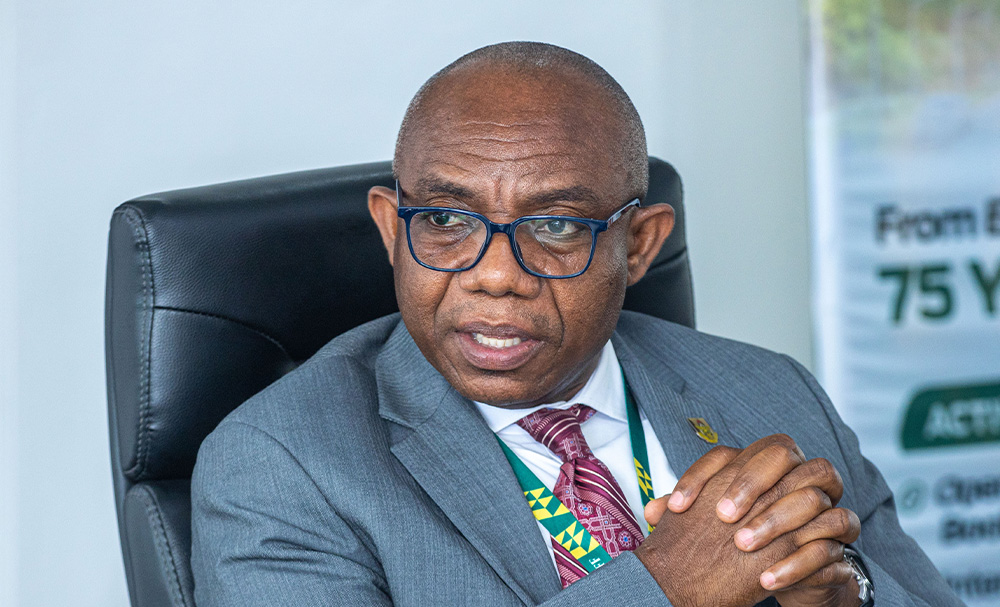
He gave the assurance when Ms Elif Memis Marsman, Monitoring and Evaluation Officer at the European Education and Culture Executive Agency (EACEA), paid him a courtesy call on Monday, Nov. 9, 2026.
Professor Agyare thanked the European Union for supporting the initiative, saying it provided a platform for African universities to strengthen partnerships, share experiences and address common challenges.
He said the shift towards South-South academic exchanges offered students and staff opportunities to learn from different institutional systems and apply that knowledge to improve teaching, learning and research at their home institutions.
“The key thing is how we translate the experiences and knowledge gained through these exchanges into our local environment to benefit our course mates, other students and even staff. I think that is what some of these exchange programmes are supposed to do,” he said.
Professor Agyare said the initiative aligned with KNUST’s 10-year strategic plan, Plan 2K35, which seeks to move the university from excellence to eminence.
He expressed optimism that KNUST would continue to participate in future calls for proposals to expand opportunities for students and affiliated institutions.
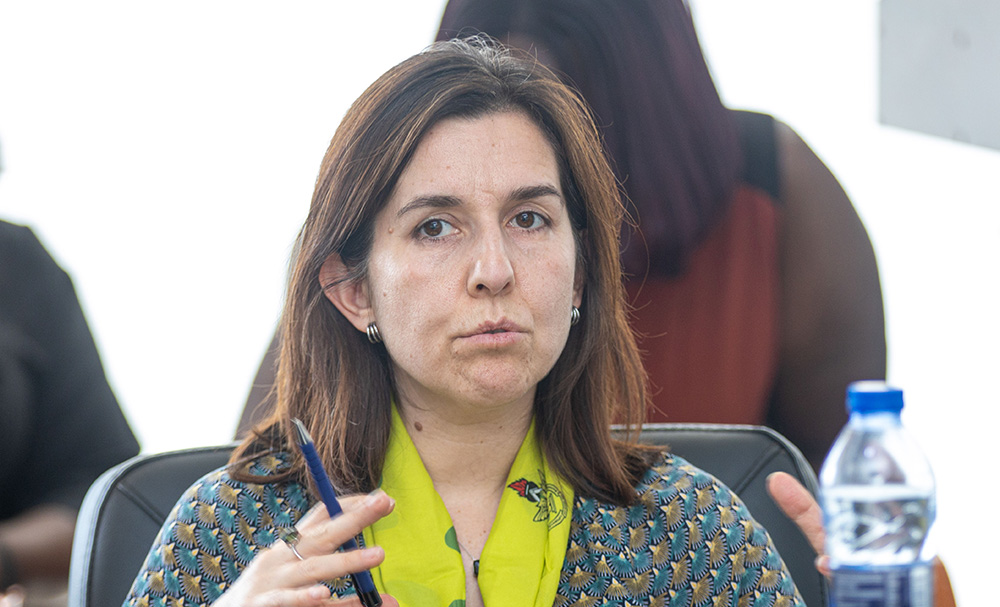
Ms Marsman said the monitoring visit was part of EACEA’s efforts to assess the implementation of Intra-Africa projects, engage university management and evaluate the scheme’s benefits at participating institutions.
She said the programme had supported 64 partnerships across Africa since 2016, funding more than 3,000 master’s and PhD students and trainees, as well as more than 300 staff mobility opportunities across 37 African countries.
“The projects are not only financing mobility scholarship holders, but they are also a tool for increasing regional integration in higher education in Africa, contributing to the quality of higher education and thereby to the attractiveness of African universities in the world,” she said.
Ms Marsman highlighted the role of academic mobility in improving employability, sharing knowledge and exchanging teaching methods and academic experiences among African institutions.
She also encouraged universities interested in future calls for proposals to include new institutions to broaden the programme’s reach and impact.
Story: Eunice Asare Photos: Isaac Kwaku Duah


