
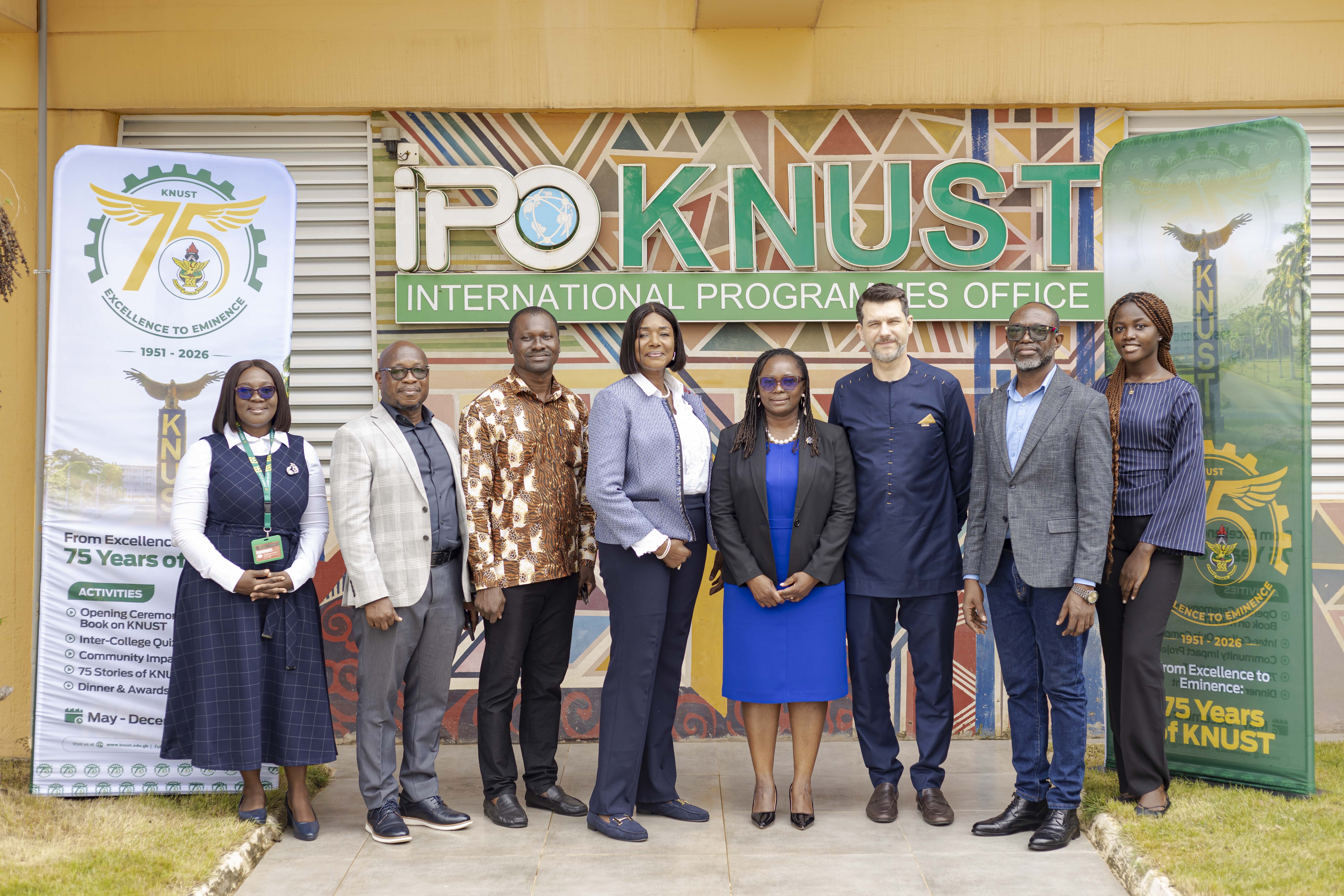
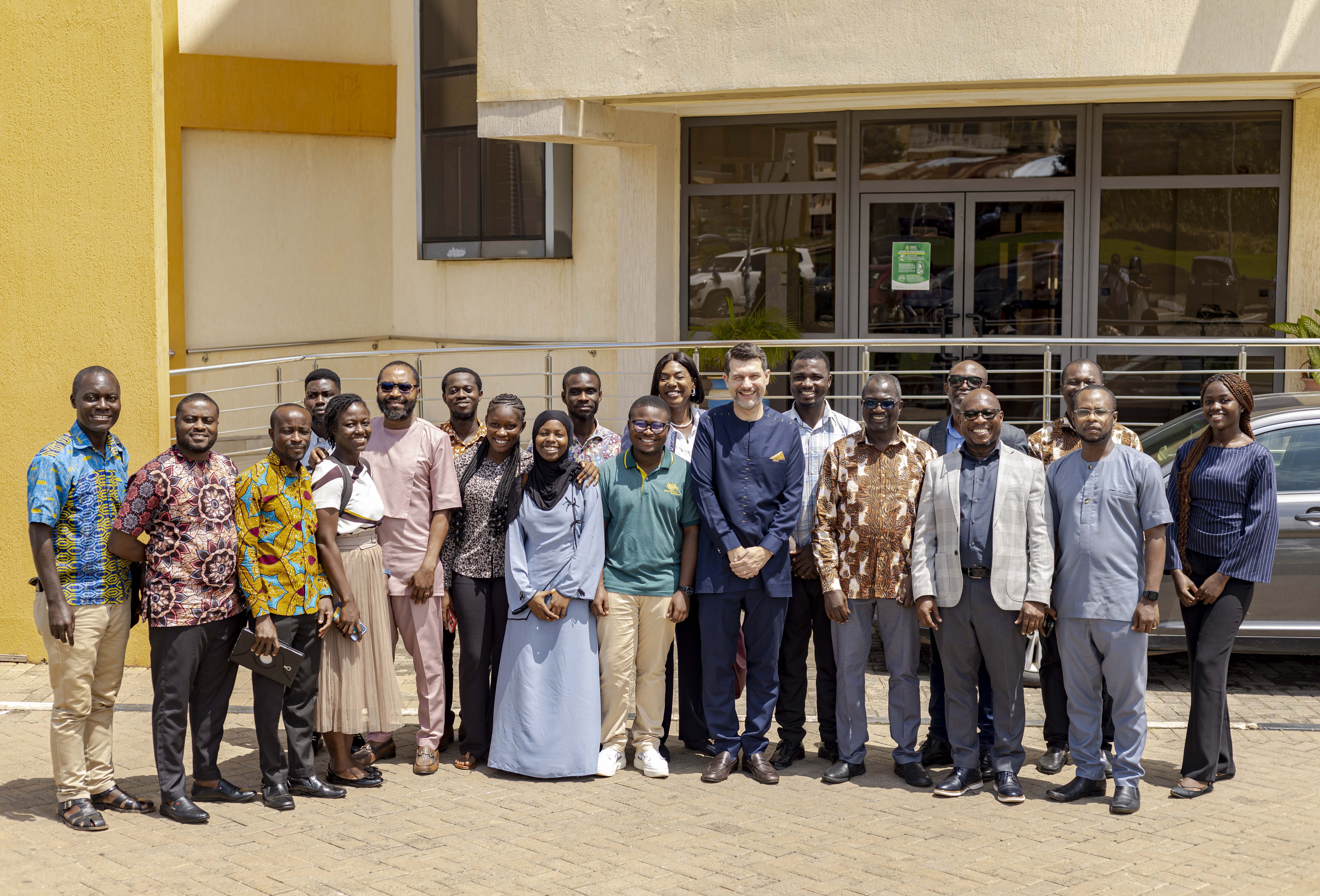
The Kwame Nkrumah University of Science and Technology, Kumasi (KNUST), has hosted a delegation from the African Department of the International Monetary Fund (IMF) to engage staff and students on the IMF's latest Regional Economic Outlook for Sub-Saharan Africa 2026 report, titled Hard-Won Gains Under Pressure.
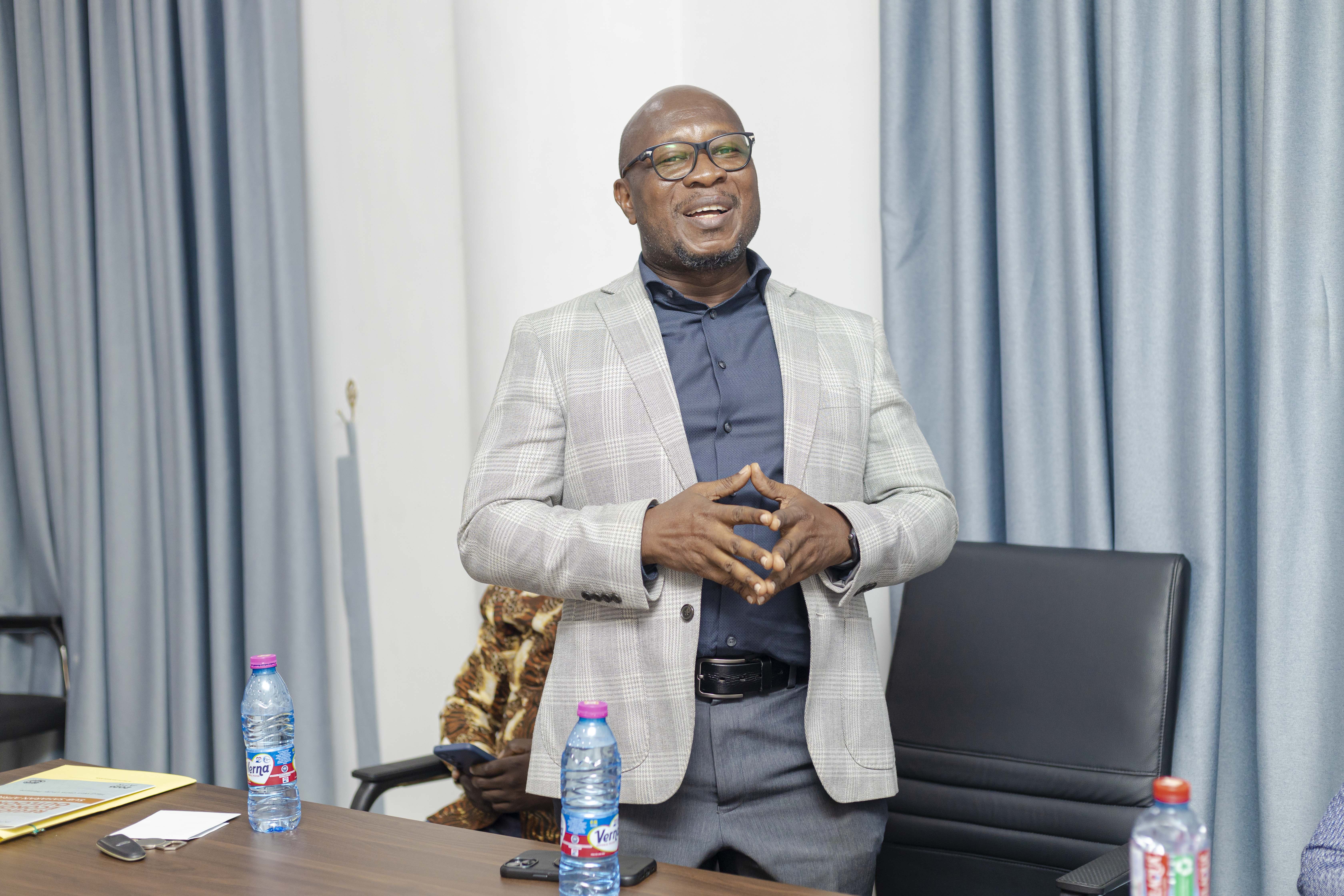
The Head of the Department of Economics at KNUST, Prof. Eric Fosu Oteng-Abayie, said the visit provided an opportunity for students and faculty members to engage directly with the IMF's latest economic assessment and policy recommendations.
He said that, beyond presenting the report, the visit also created an avenue for discussions on the Ashanti Region's contribution to Ghana's economy, particularly in cocoa production, gold mining, employment and overall economic growth.
"These conversations are very key to our activities here, our programmes as a department and even as a faculty," he said.
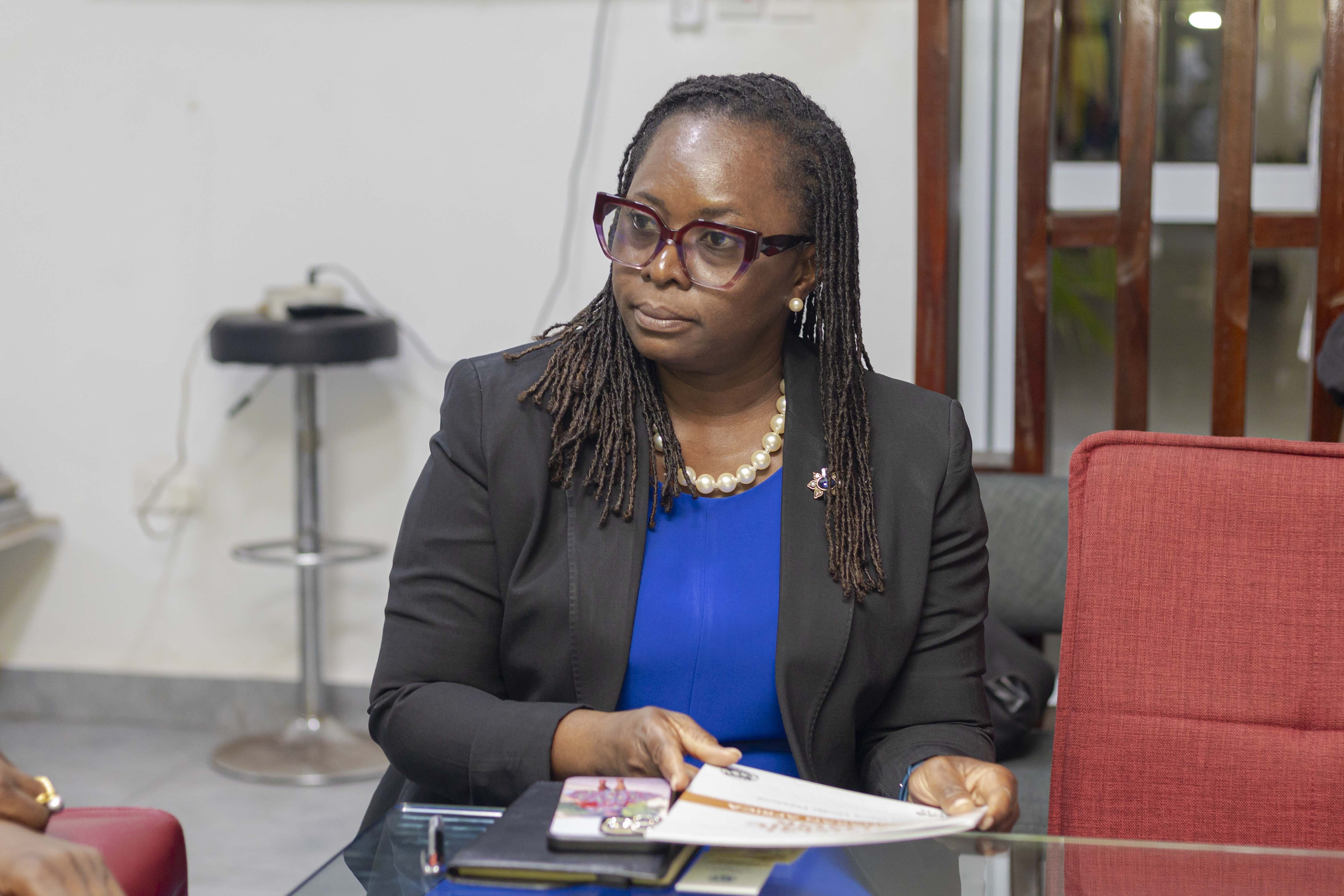
The Vice Dean of the International Programmes Office, Prof. (Mrs.) Augustina Angelina Sylverken, underscored the importance of partnerships that equip students with practical skills for employment and entrepreneurship.
She said KNUST is committed to producing job creators rather than only job seekers, adding that collaborations with institutions such as the IMF would help equip students with the skills needed to establish businesses and contribute to private sector growth.
Prof. Sylverken encouraged the IMF to engage more frequently with the University to strengthen initiatives focused on youth development, innovation and capacity building.
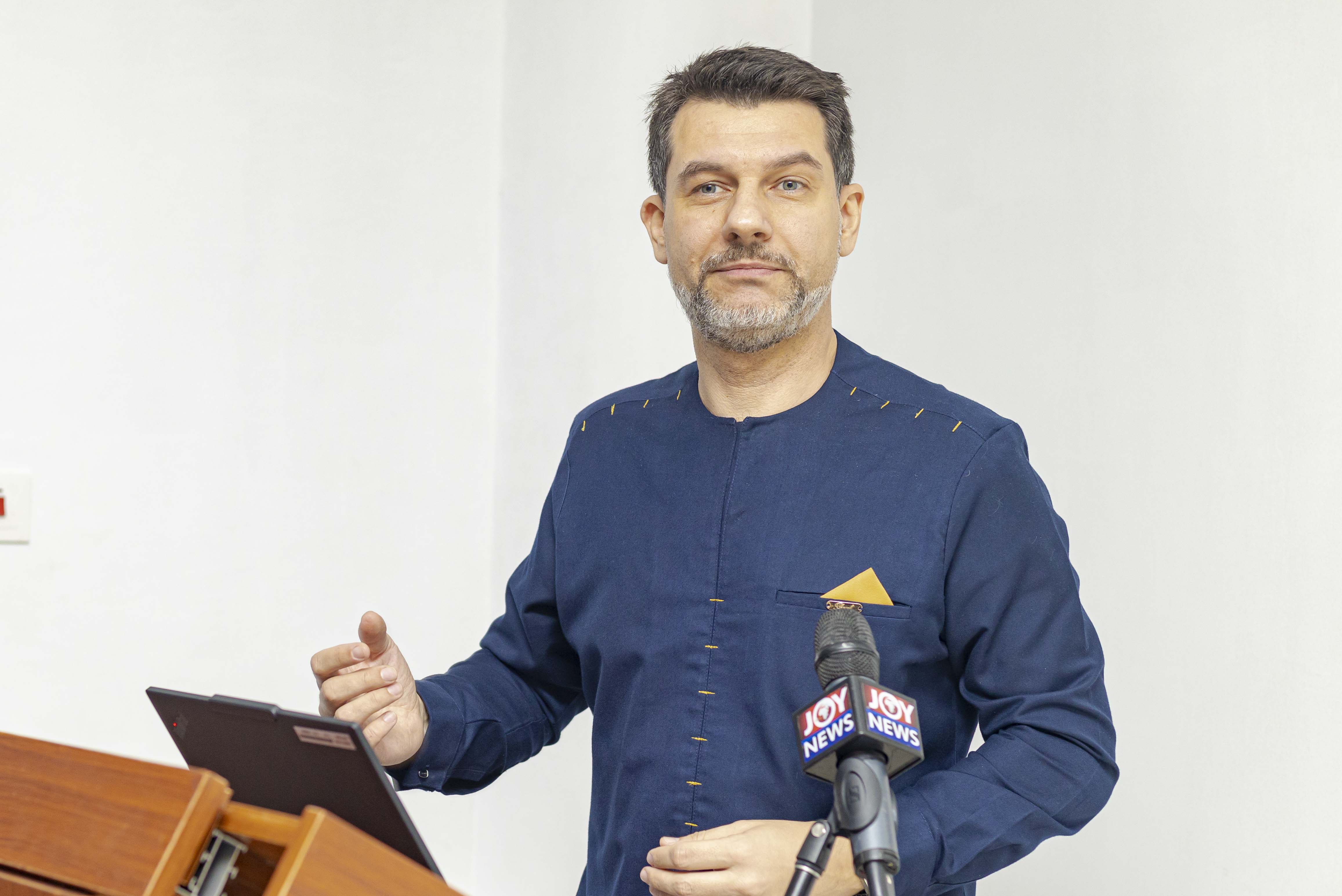
Presenting highlights of the report, Dr. Adrian Alter, IMF Resident Representative in Ghana, said that although macroeconomic stabilisation across Sub-Saharan Africa produced encouraging results in 2025, new geopolitical developments had altered the region's economic outlook for 2026.
He said the conflict in the Middle East had increased the cost of oil, gas, fertiliser and shipping, creating fresh challenges for many African economies. Nevertheless, he noted that Ghana is relatively well positioned to withstand these external shocks because of the macroeconomic stability achieved over the past three years, which has helped restore stability, strengthen institutions and build economic buffers.
Despite these gains, Dr. Alter said structural challenges remain, including domestic revenue mobilisation, public spending efficiency, unemployment and job creation. He stressed the need to align graduates' skills with labour market demands while attracting greater private sector investment to create sustainable employment opportunities.
"Macroeconomic stability helps restore credibility. Building institutions helps to build on that. But eventually, you need to create jobs," he said.


