
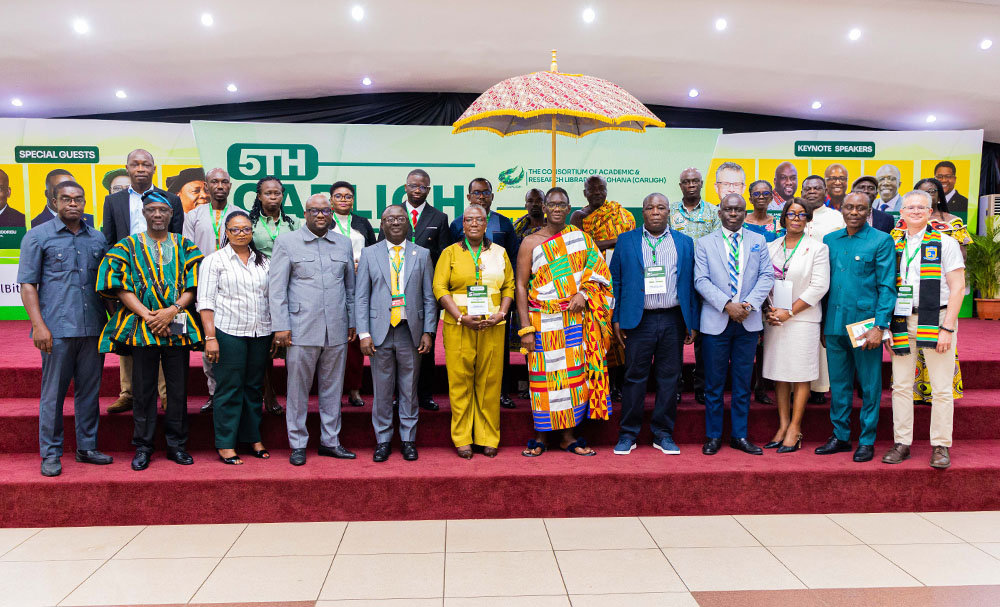
The Kwame Nkrumah University of Science and Technology, Kumasi (KNUST) has hosted the 5th Consortium of Academic and Research Libraries in Ghana (CARLIGH) International Conference, with participants calling for a stronger commitment to the open movement in knowledge sharing.
The four-day conference, held under the theme “Open Movements in Times of Urgency and Rapid Change,” brought together university administrators, researchers, academics, policymakers, librarians, publishers, book and technology vendors, and friends of libraries from across Ghana and the international community to discuss ways to support the open movement.
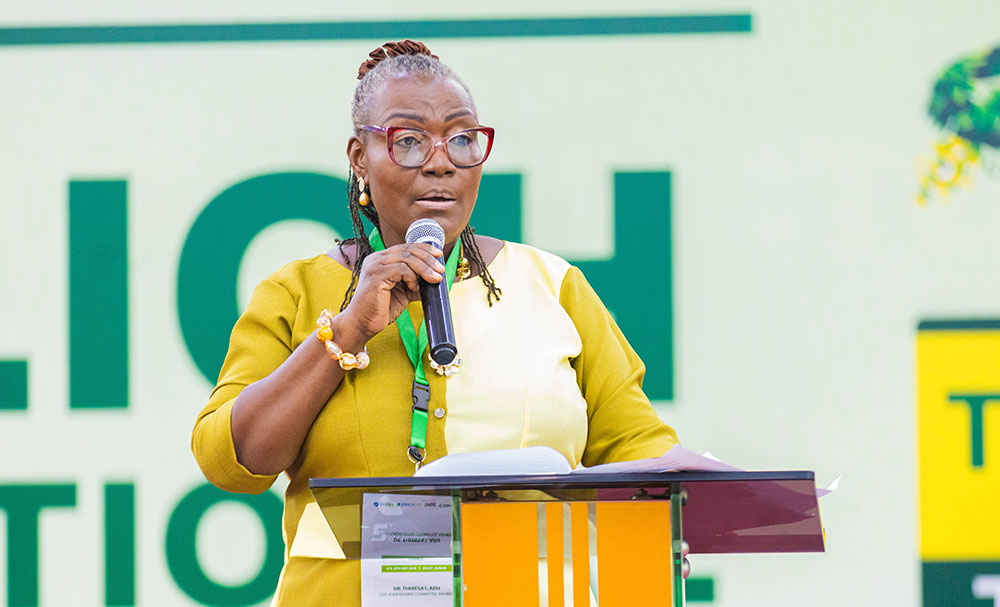
Dr Theresa L. Adu, Chairperson of the Management Committee of CARLIGH, highlighted the consortium’s impact on higher education and research, noting its expansion from six to 42 member institutions since its establishment in 2004. She said CARLIGH has improved access to knowledge by negotiating reduced-cost subscriptions to key academic databases, benefiting more than 100,000 users.
“Over the past 22 years, CARLIGH has facilitated access to a wide range of electronic resources, enhanced research capacity, and fostered collaboration among library professionals,” she said.
She added that continuous training programmes have equipped both librarians and users with the skills needed for effective utilisation of these resources.
Dr Adu underscored the urgency of embracing openness in today’s rapidly evolving information landscape.
“The open movement is therefore no longer optional, it is essential,” she said, pointing to the growing importance of open access, open science and digital equity.
She urged stakeholders to rethink the role of libraries in addressing global challenges.
“We are not merely custodians of information, we are enablers of access, advocates of equity, and architects of inclusive knowledge systems,” she said.
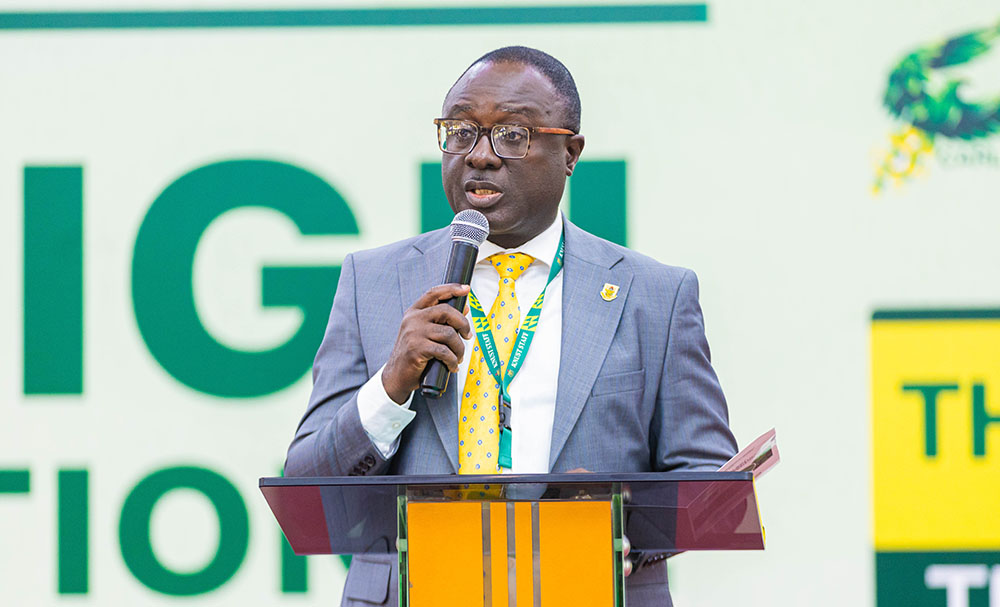
Professor David Asamoah, Pro-Vice-Chancellor, speaking on behalf of the Vice-Chancellor, described the conference theme as timely and reflective of current global realities.
“The theme for this year's conference speaks directly to the readiness of our time. We live in an era shaped by global disruptions, health crisis, climate change, economic uncertainty and rapid technological advancement,” he said.
He added that “the speed, accessibility and reliability of knowledge are not at risk, they are essential,” positioning the open movement as a critical response to these challenges.
Professor Asamoah highlighted the transformative potential of open access in advancing inclusive knowledge systems, particularly within Africa.
“For us in Africa, and particularly within our academic and research institutions, the open movement presents both opportunities and resources. It is a chance to amplify African scholarship, address local challenges, put locally grounded research and position our universities as active contributors to global knowledge systems,” he said.
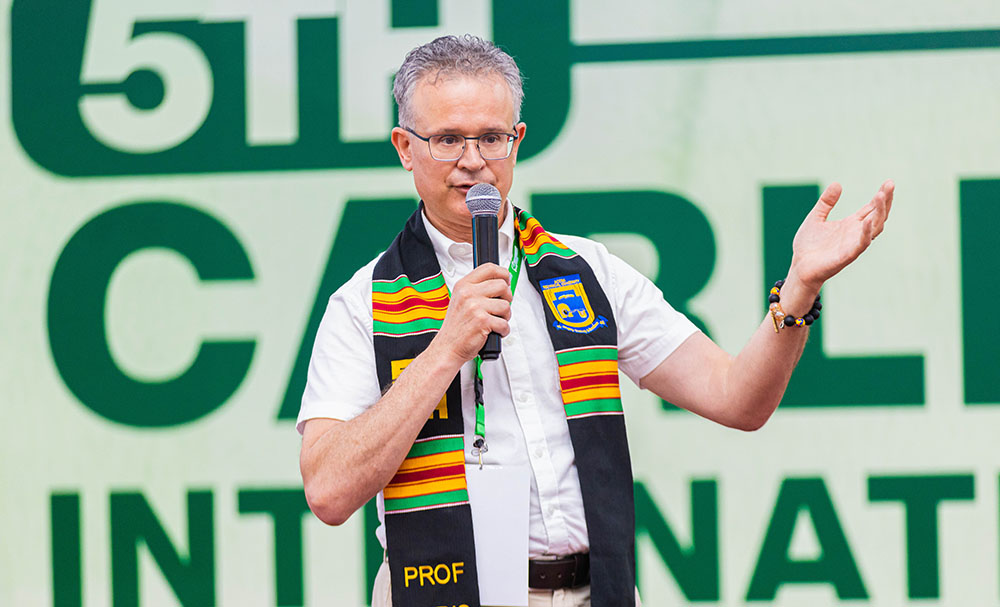
Delivering the keynote address, Dr Christopher Prom of the University of Illinois, Urbana-Champaign, stressed the need to ground the open movement in values that respond to today’s complex global realities. He said openness requires confronting reality rather than ignoring it.
“Instead of asking what we are to do, we must ask, ‘how in this world am I to be?’” he said, stressing that openness begins with self-awareness and responsibility.
Drawing from his personal and professional journey, he added that “openness starts small,” but must be sustained through principles such as valuing differences, building trust, fostering collaboration and “putting people first.”
Dr Prom highlighted the relevance of openness in advancing global knowledge equity, particularly for Africa, describing it as a pathway for innovation, collaboration and preservation of knowledge, especially through digital initiatives.
“Start small, think big, and be generous,” he said, pointing to the importance of partnerships in areas such as digital preservation and community archives.
He expressed optimism about the continent’s role in shaping the future and encouraged stakeholders to embrace openness as a tool for inclusive development and global engagement.
“The future is African in a lot of ways for the world. This is Africa's moment to seize,” he said.
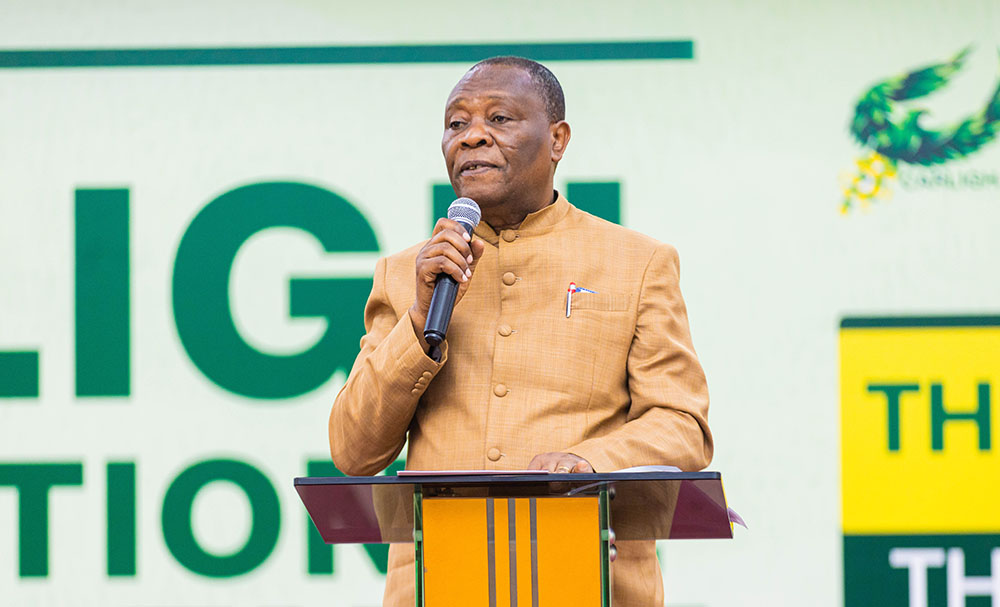
Professor George K. T. Oduro, Technical Advisor at Ghana’s Ministry of Education, underscored the role of libraries in advancing inclusive and resilient knowledge systems, describing them as “living spaces where knowledge is nurtured and put to use for the improvement of mankind.”
He emphasised the urgency of strengthening the open movement in an era shaped by artificial intelligence and urged stakeholders not to lose sight of indigenous knowledge systems, noting that platforms such as the conference help bridge “the past, present, and the future” through collaboration.
He also called for increased investment in capacity building and library infrastructure.
“Knowledge is not a commodity to be hoarded; it is a common good that needs to be shared,” he said.
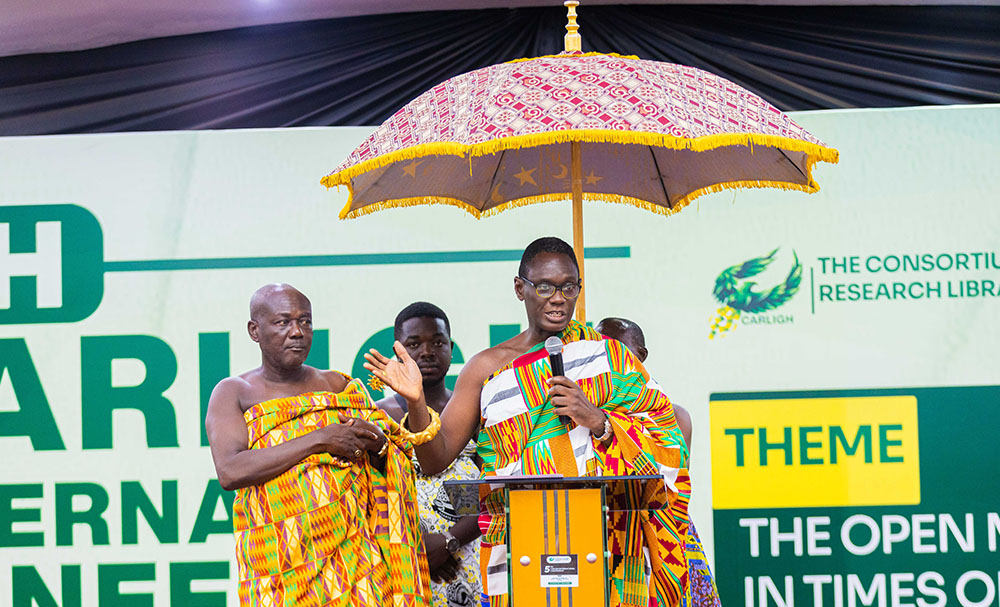
The conference featured solidarity messages from Nana Owusu Afriyie IV, Apagyahene and representative of Otumfuo Osei Tutu II, who invoked the Akan adage, “obi nnim a, obi kyere”, meaning “shared knowledge cures ignorance”, to emphasise the role of shared knowledge in addressing ignorance.
Representing vice-chancellors of technical universities, Ing. Prof. Kwadwo Adinkrah-Appiah highlighted the role of openness in driving national development.
Mr Alhassan Betintiche Ziblim, Acting Executive Director of the Ghana Library Authority, said the Authority is reviewing its 56-year-old legal framework to align with the demands of a digital and knowledge-driven era, positioning libraries as key drivers of innovation and access in Ghana’s evolving information ecosystem.
| Story: Abena Serwaa Gyamfi | Photos: Emmanuel Dankwah |


