
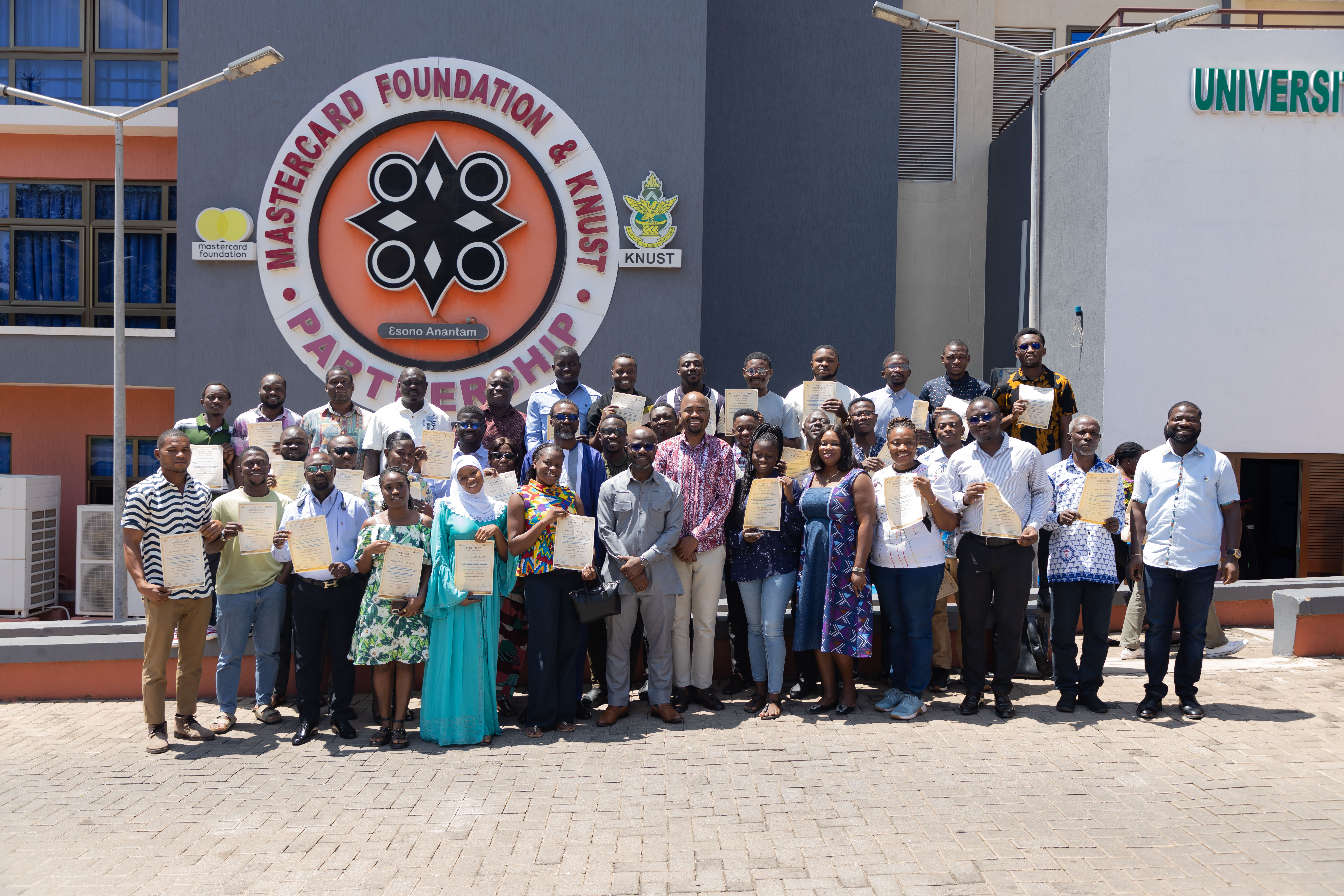
Radiation protection training for health professionals must be backed by assessments and long-term follow-up to ensure that knowledge gained translates into safer practices in health facilities, experts have said.
The call was made at the closing ceremony of a five-day Radiation Protection and Safety Training Course for Medical Applications organised by the University Health Services (UHS) of the Kwame Nkrumah University of Science and Technology, Kumasi (KNUST) in collaboration with the Radiation Protection Institute (RPI) of the Ghana Atomic Energy Commission (GAEC).
Head of the Department of Medical Imaging at KNUST, Dr Andrew Donkor, said radiation safety training should go beyond knowledge acquisition, with assessments and follow-up studies used to determine whether participants apply the measures in their respective health facilities.
He proposed pre- and post-training assessments and longer-term follow-up to measure the impact of the training and determine whether knowledge gained results in improved safety practices.
Dr Donkor also called for the training to be held more frequently to reach more health professionals, particularly those in facilities with limited numbers of radiographers.
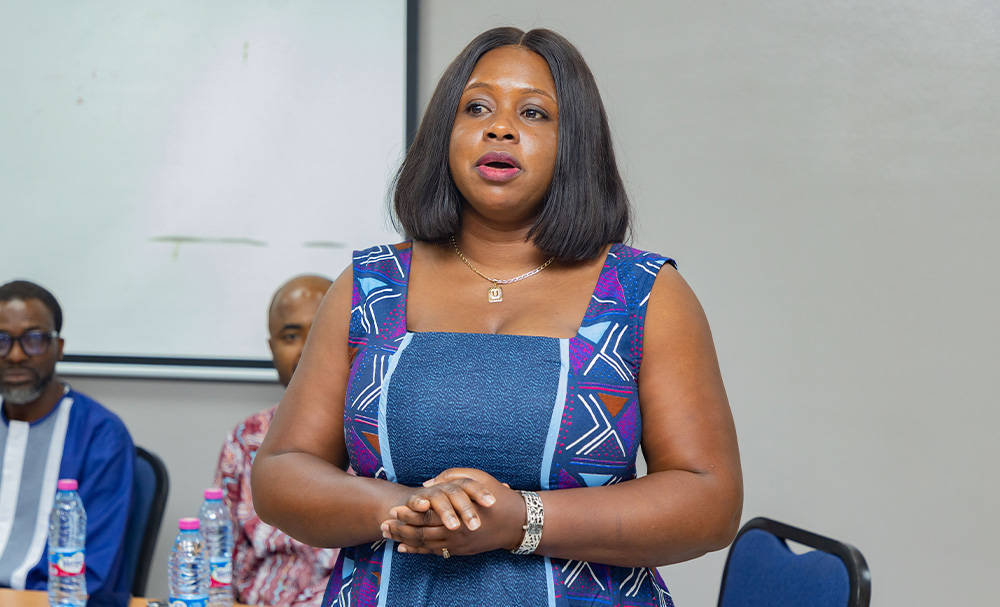
Acting Head of Radiology at KNUST Hospital, Dr Brenda Abena Ampah, urged participants to apply the knowledge acquired and become advocates for radiation safety in their respective facilities.
She said radiographers played an important role in radiation protection, particularly in facilities where radiologists were unavailable.
“You are going to represent your facilities as radiation protection officers. So with all this knowledge gained, let's not shelve it but share it,” she said.
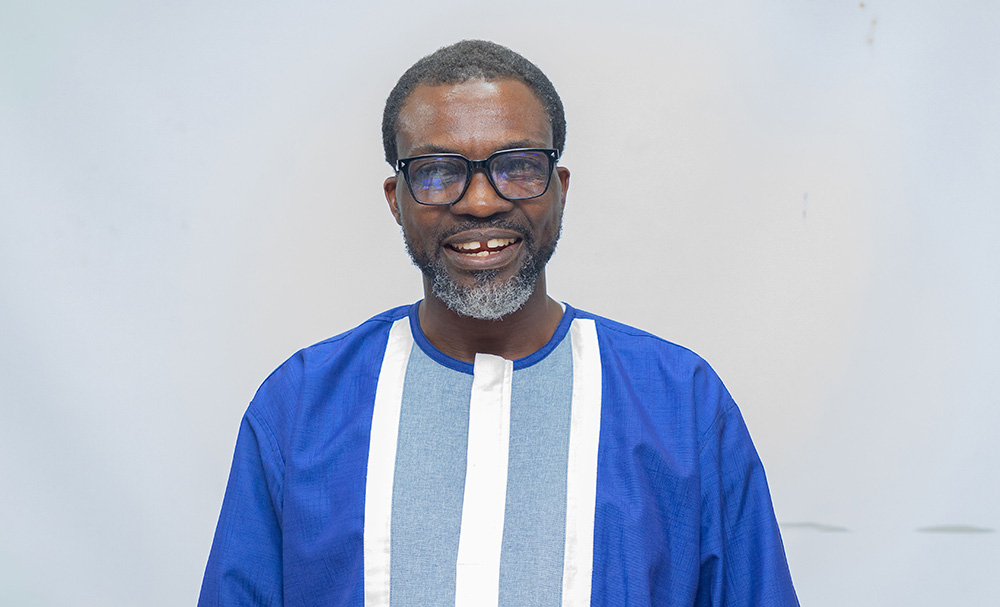
Professor Stephen Inkoom, Deputy Director of RPI and Course Director, thanked the facilitators and participants for their engagement and encouraged them to put the lessons from the training into practice.
“We all need to practise what we have learned and continue to be the ambassadors of this radiation protection practice,” he said.
Professor Inkoom said the organisers would consider opportunities for continued engagement and follow-up research to assess the impact of the training.
Samson Batsa, a participant from Tamale Teaching Hospital, said the programme exceeded his expectations and provided updates on developments in radiation protection practice. He said he would share the knowledge with colleagues who were unable to participate and apply it in his day-to-day work.
“The training has really been very insightful, and I'm taking a lot of things home,” he said.
Another participant, Amoh Luvetta Ewura-Ama of Spectra Health, described the training as impactful, saying it had improved her knowledge of radiation protection. She commended the facilitators for their interactive approach and encouraged other health professionals to participate in future editions.
Story: Belinda Opoku Danso


