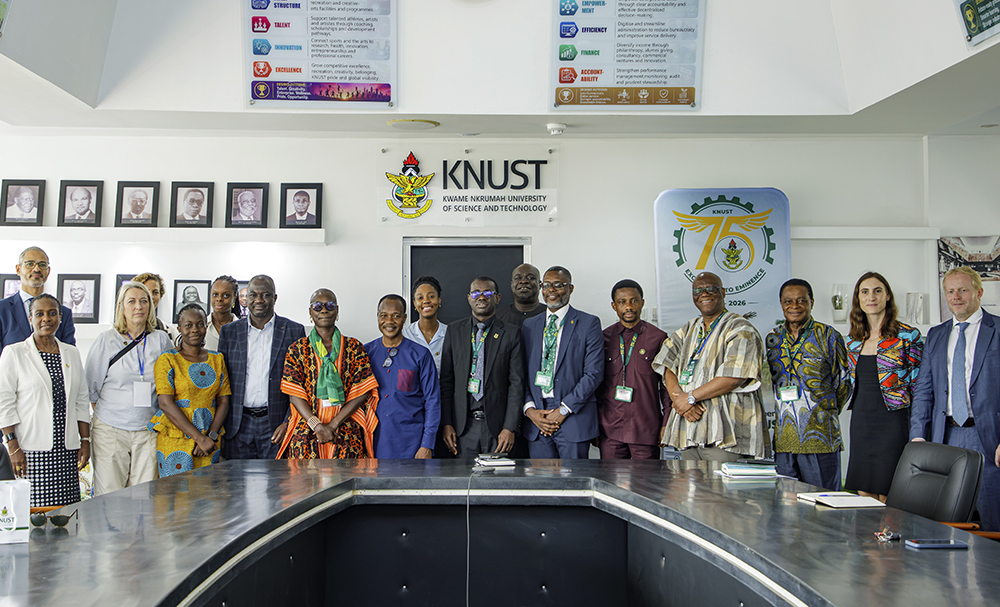
The Kwame Nkrumah University of Science and Technology (KNUST), Kumasi, and the French Embassy in Ghana have expressed commitment to strengthening their longstanding partnership, with focus on artificial intelligence (AI), research collaboration, academic mobility and cultural exchange.
The commitment was reaffirmed during a courtesy visit by the French Ambassador to Ghana, Her Excellency Diara de Melabi, to the University on Thursday, 19th November 2026.
Professor Samuel Asare-Nkansah, receiving the delegation on behalf of the Vice-Chancellor, appreciated the French Government for its continued support.
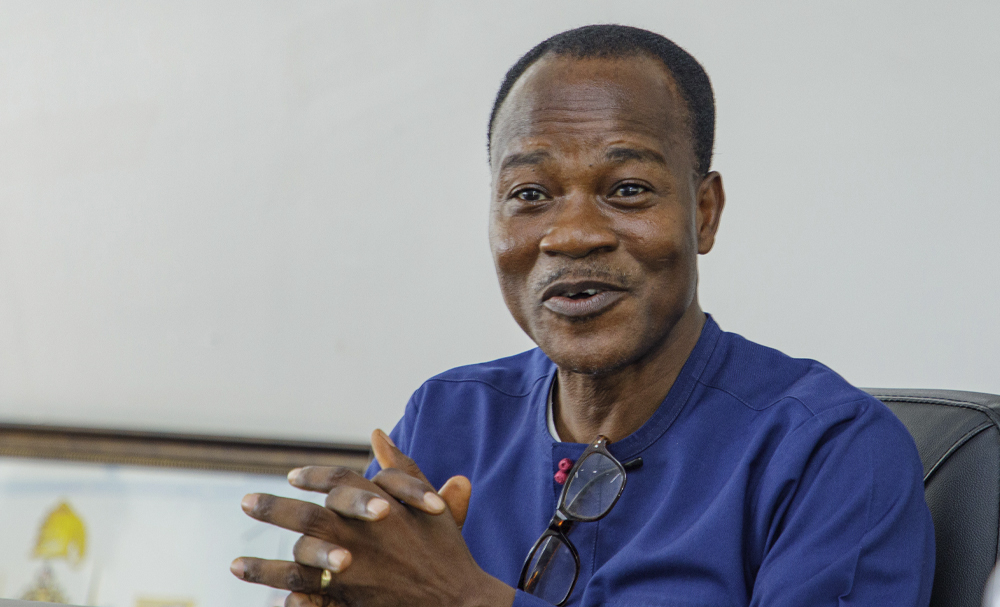
He noted that following its 75th anniversary celebration, the University is positioning itself for greater global impact through strategic and meaningful international partnerships.
“As an institution, we are happy to continue the collaborations with you,” he said, adding that KNUST sought to ensure its engagements, operations and initiatives generated global, regional and sub-regional impact.
Professor Asare-Nkansah highlighted the contributions of Maison Française and Campus France to the partnership, particularly in promoting the French language and culture and creating educational opportunities for students through exchanges, academic mobility and research collaborations.
He called for stronger support for Maison Française to improve resources for French language teaching and learning, noting that language should be learned as a practical skill rather than merely as an academic subject.
He identified artificial intelligence and digital technologies as promising areas for expanded cooperation, particularly in developing solutions to challenges in climate change, health, energy and agriculture. He also encouraged collaboration in developing inclusive technologies that would improve accessibility for persons with disabilities.
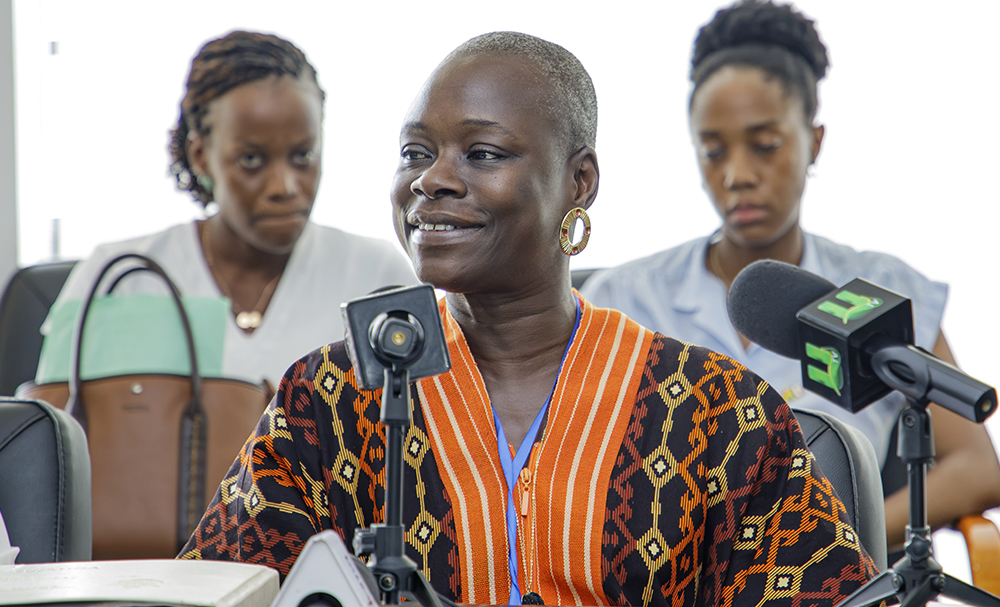
The French Ambassador, Her Excellency Diara de Melabi, described KNUST as a prestigious institution with an international reputation for excellence in science and technology.
“It is definitely very important for us to be at this prestigious university, not only in Ghana, in Africa, but I could say without a doubt around the world,” she said.
She emphasised the importance of student and academic mobility, joint research and exchanges among lecturers, researchers and students, stressing that meaningful international partnerships required active participation from universities and other stakeholders.
On responsible AI, the Ambassador called for stronger international cooperation to ensure that the development and deployment of artificial intelligence served humanity and the public interest.
She noted that Ghana, France and other countries could play a leading role in shaping global conversations on responsible AI rather than leaving such discussions exclusively to major technology companies and global powers.
“Responsible artificial intelligence is definitely a very particular area,” she said, emphasising the need for countries to collectively examine the future implications of AI and ensure its benefits are harnessed responsibly.
Her Excellency reaffirmed the Embassy’s readiness to deepen cooperation with KNUST through existing initiatives, including Erasmus+ and other emerging opportunities.
She further identified health, agriculture, food security and energy as areas where AI-driven collaboration could support the development priorities of both Ghana and France.
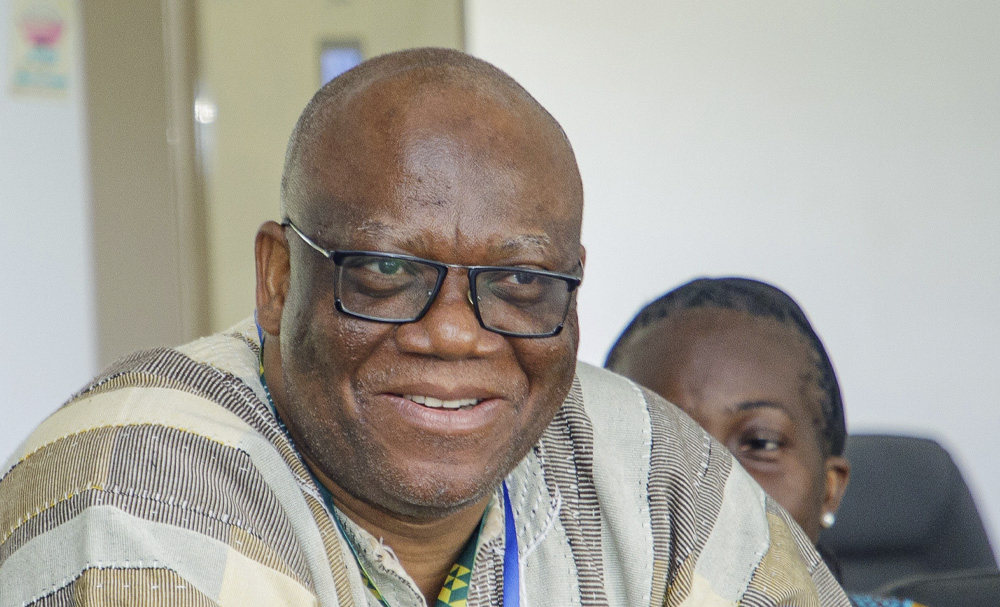
Professor Jerry John Kponyo, Director of the Office of Grants and Research and Scientific Director for Responsible Artificial Intelligence, identified responsible AI as a significant area for strengthening the University’s partnership with the French Government.
Drawing on his recent participation in the Paris Peace Forum, he said discussions at the international gathering reinforced the need for greater responsibility in the development and application of artificial intelligence.
He noted that collaboration with France presents an opportunity for KNUST and its partners to advance initiatives that would promote responsible AI globally.
Professor Kponyo called for collective efforts to position Africa as an active contributor to global conversations on AI governance and responsible innovation.


