
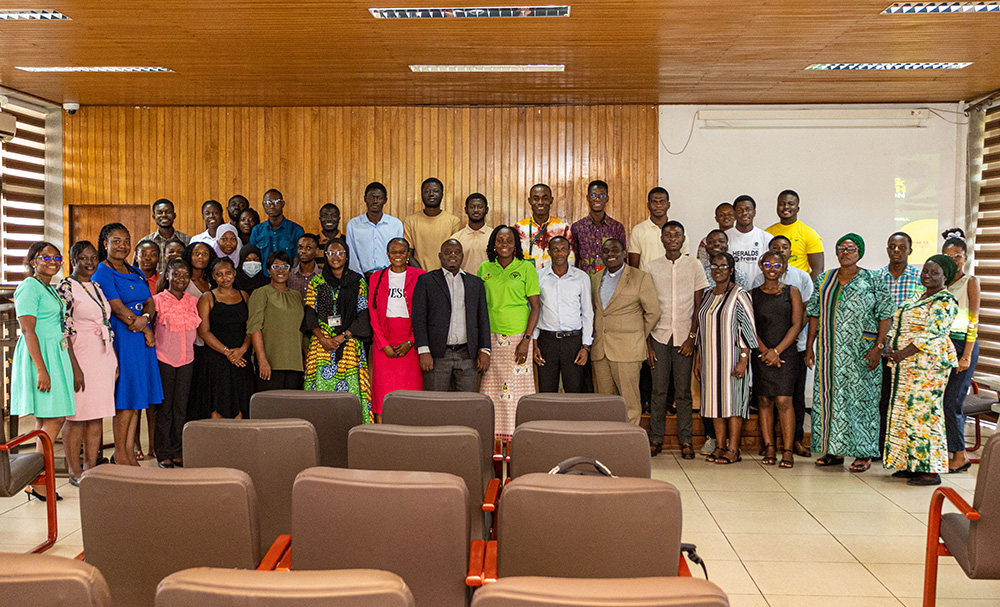
The KNUST Counselling Centre (KCC) has organised a Counselling and Emotional Health Awareness and Promotion Seminar for student religious leaders. The seminar aimed at equipping participants with the skills and knowledge needed to support the mental well-being of students across the University community.
The seminar brought together student leaders from various religious groups on campus to discuss emerging mental health challenges among students, early intervention strategies, referral pathways, and the role of peer support in promoting emotional wellness.
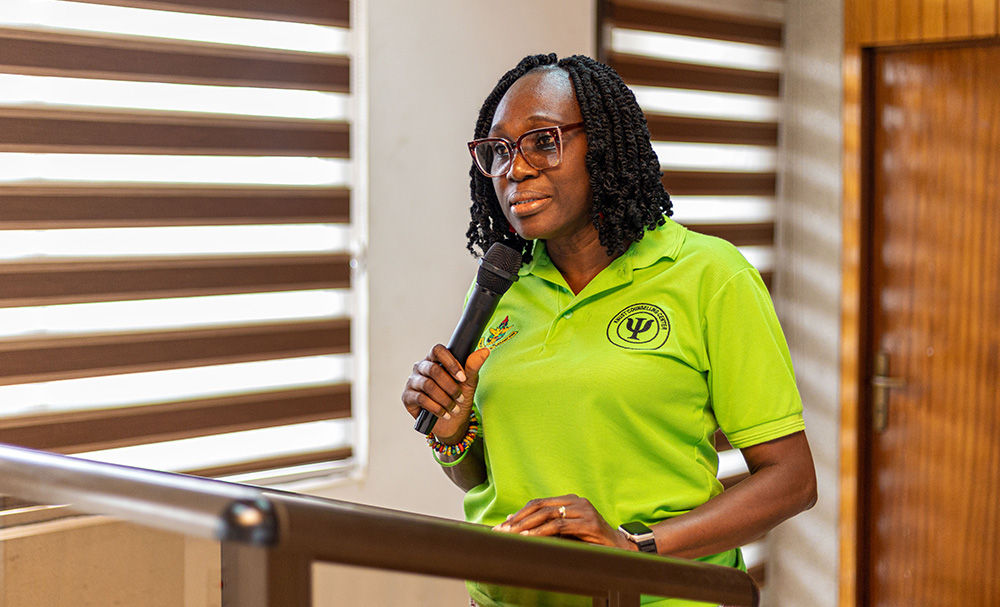
The Acting Head of the KNUST Counselling Centre, Mrs. Bernice S. O. Peasah, underscored the critical role student leaders play in supporting their peers.
“As student leaders, many students turn to you first when faced with personal, academic, emotional, spiritual, mental, and social challenges. Your role, therefore, is to offer guidance and provide vital support. This seminar has been organised to equip you with basic counselling skills and referral tips to provide appropriate first-line support while ensuring that students with more complex needs are referred to professional counsellors,” she said.
Mrs. Peasah further commended the commitment of the student leaders and reaffirmed the Centre’s commitment to strengthening partnerships that promote mental health, well-being, and the holistic development of students.
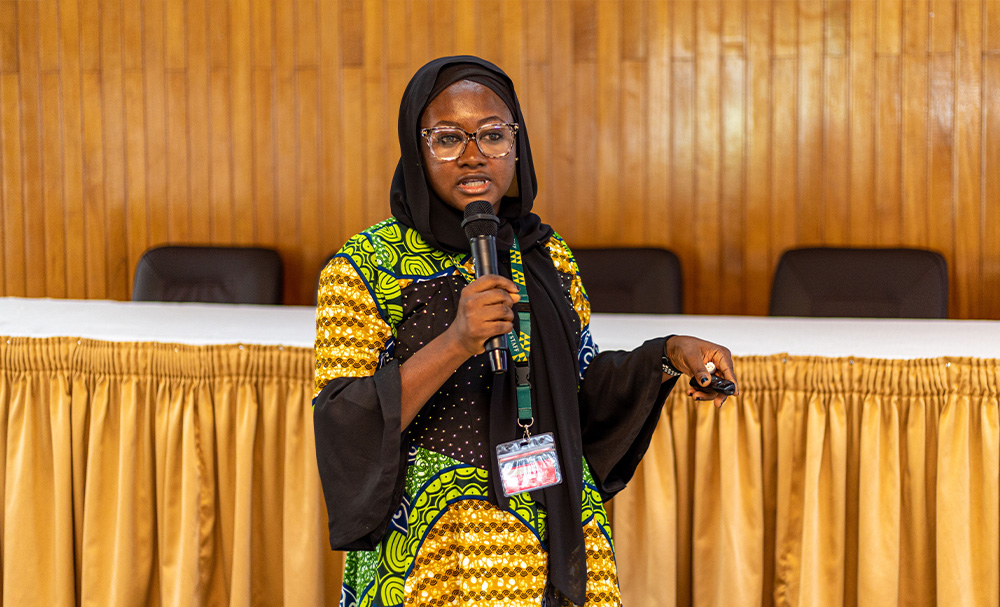
Ms. Hajara Baba, a Clinical Psychologist, spoke on identifying and managing behavioural challenges among students. She highlighted the importance of initiating supportive conversations with peers experiencing emotional distress.
“The right words open doors. The wrong words rarely close them permanently. We should not allow fear of saying the wrong thing to stop us from reaching out to someone who may need help,” she advised.
Ms. Baba encouraged student leaders to create safe spaces for conversations, practise active listening, and avoid rushing to offer solutions.
“Sometimes people do not need immediate answers; they simply need someone who will listen. Most people just want to be heard,” she noted.
She also emphasised active listening skills, including maintaining eye contact, acknowledging what the person says, asking clarifying questions, and remaining non-judgmental. She cautioned against statements such as “just think positive” or “I know exactly how you feel,” which can make individuals feel misunderstood.
Ms. Baba further explained when students should seek professional help, particularly in cases involving serious mental health concerns, threats of harm, or situations beyond peer support. She encouraged referrals to counselling centres, academic advisors, student affairs offices, healthcare facilities, or emergency services when necessary.

A panel discussion on “Student Stress in Ghanaian Universities: How Stakeholders Can Recognise It Early” featured Mr James Ayiku, Psychiatric Nurse; Rev. Yaw Anokye Kyei Baffour, Resident Pastor of GHAMSU-KNUST; and Mrs Bernice S. O. Peasah.
The discussion highlighted the main causes of student stress, particularly the difficulty of transitioning from senior high school to university and the heavy academic workload. Speakers also identified financial challenges, family pressures, and difficult home situations as significant sources of emotional strain.
They emphasised the importance of dedicated support systems, noting that not all challenges should be addressed solely through spiritual means and that professional counselling is sometimes necessary.
Student leaders were encouraged to promote mental health awareness, time management, and personal development among students.


