
The Kwame Nkrumah University of Science and Technology, Kumasi (KNUST) and Hubei University of Automotive Technology (HUAT) in China have signed an agreement for a joint degree pathway that would allow eligible students to earn two undergraduate degrees and a master’s degree in six years.
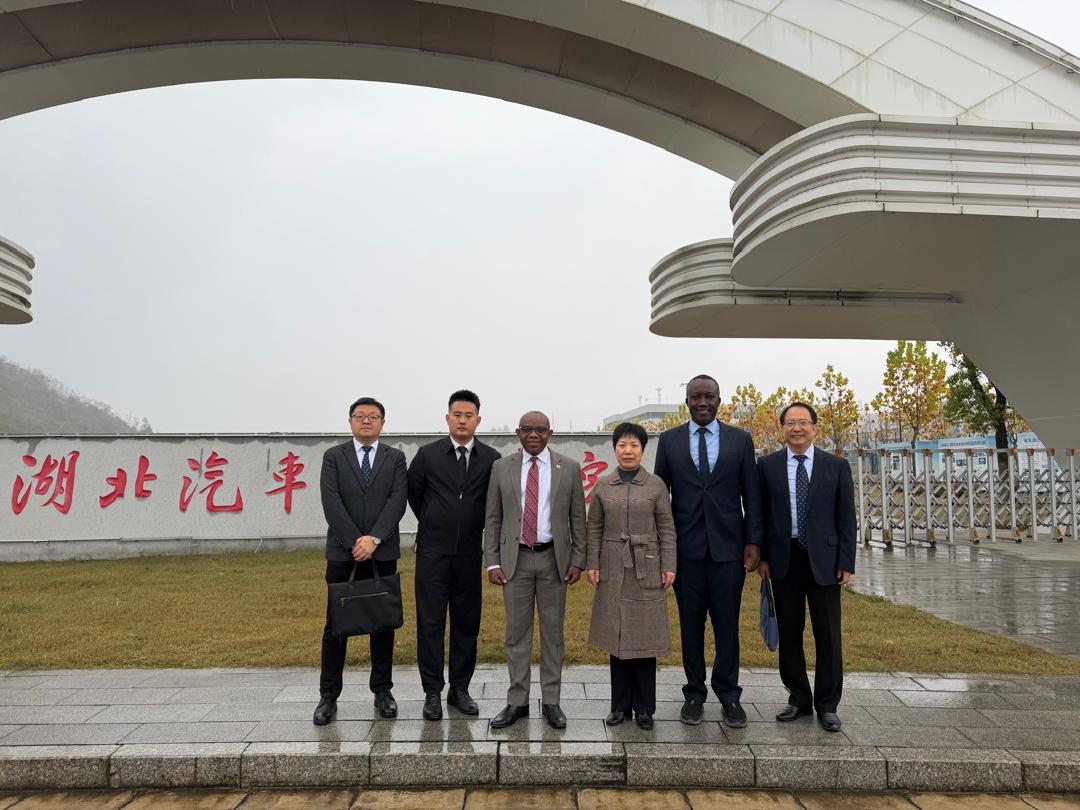
The agreement was signed during a two-day visit by KNUST Vice-Chancellor Professor Christian Agyare to HUAT in Shiyan, Hubei Province, from November 16 to 17, 2026.
Professor Agyare was accompanied by Professor Daniel Y. A. Duah and Professor Ke Ningli, the Ghanaian and Chinese Directors, respectively, of the Confucius Institute at KNUST.
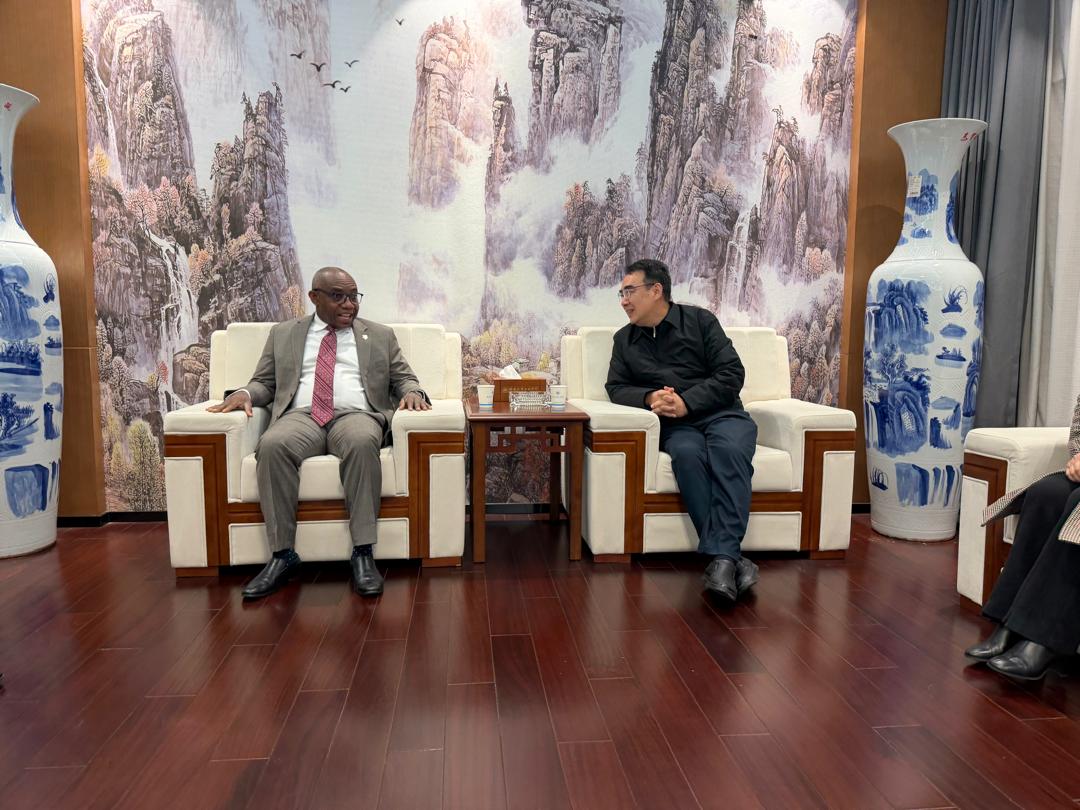
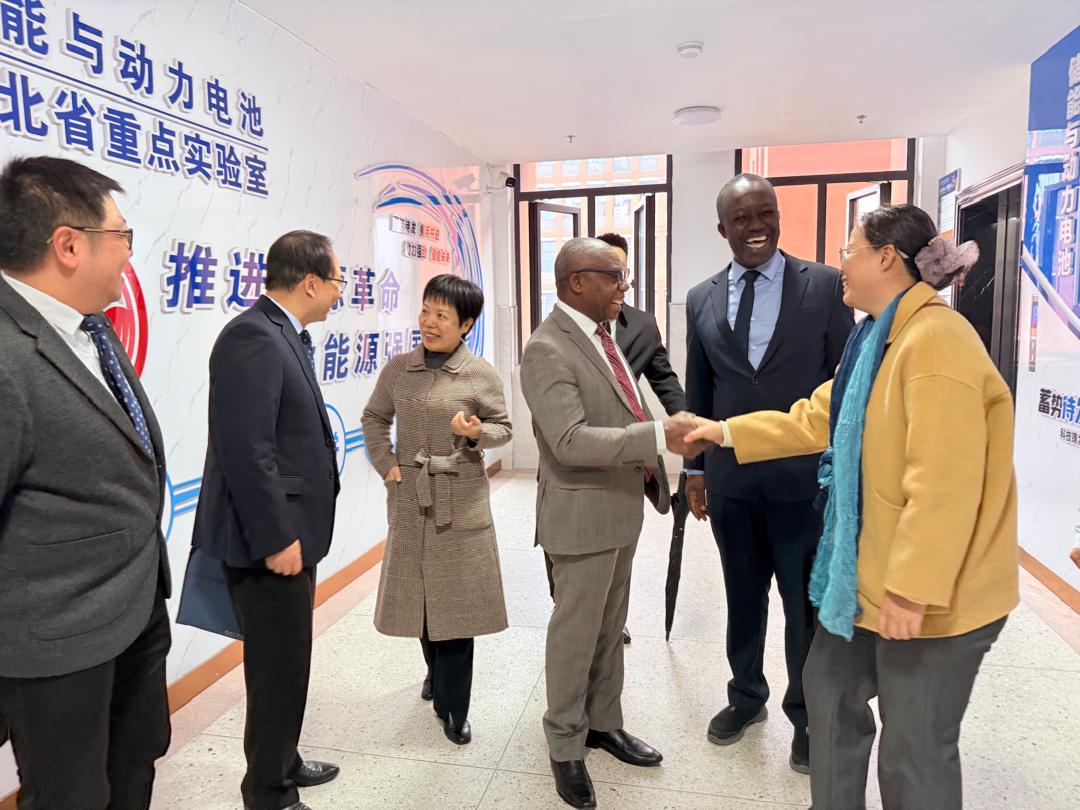
On the first day, HUAT Vice-President Professor Zhang Hongxia welcomed the delegation, which toured the university’s laboratories and innovation centres.
Professor Agyare also held a brief meeting with HUAT Council Chairman Professor Wang Xiao and members of the university’s leadership before high-level discussions with HUAT President Professor Li Tao and university leaders. The visit also included engagements with Ghanaian students and faculty.
Under the International Accelerated Joint Degree Pathway, structured around a 3+1+2 model, students will complete three years of undergraduate coursework at KNUST in accredited disciplines.
Qualified students will then spend one academic year at HUAT to complete the requirements for undergraduate degrees from both institutions in engineering and technology disciplines.
Students who meet HUAT’s admission requirements and fulfil the relevant Chinese regulations governing international student admissions may proceed to a two-year master’s programme at HUAT.
The pathway is intended to combine academic training with international exposure, access to specialised laboratories and links to industry.
The two universities also agreed to work with Hanjiang Normal University to establish a Bachelor of Arts programme at KNUST combining a major in Chinese with an industry-related minor.
The proposed minors are international business and trade; marketing and e-commerce; supply chain and logistics; and new energy vehicles and green energy technology. HUAT will support the new energy vehicles and green energy technology option.
The programme is intended to equip graduates with Chinese language proficiency and skills in their chosen industry-related field. Professor Agyare said this combination would meet the needs of Chinese enterprises operating in Ghana and Ghanaian businesses trading with China.
HUAT also agreed to approach Chinese automotive companies to seek donations of slightly used automotive equipment for KNUST’s Automotive Engineering programme. The proposed support is intended to strengthen practical training and hands-on learning.
The universities will also jointly apply to China’s Ministry of Education to establish an Overseas College of Elite Engineering at graduate level.
If approved, the college will be integrated into the 3+1+2 model to support postgraduate training, joint research and the development of engineering expertise for Ghana and West Africa.
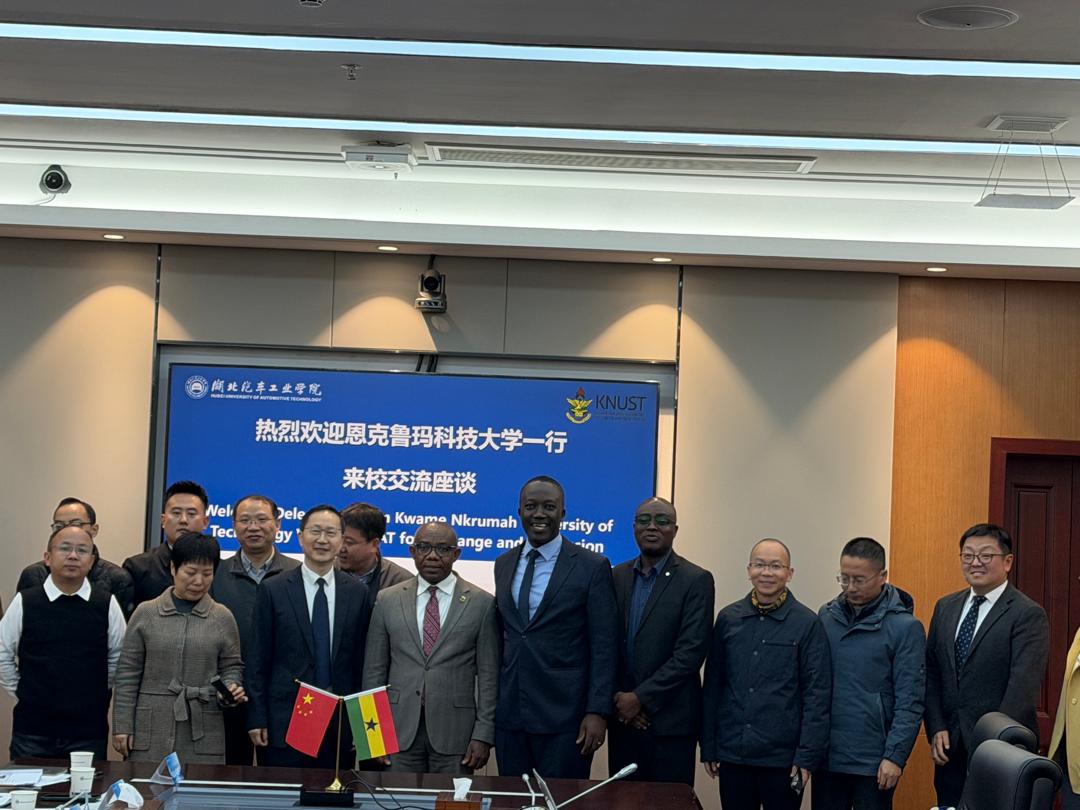
During the visit, HUAT conferred an honorary professorship on Professor Agyare in recognition of his leadership and commitment to Africa-China university cooperation. The honour was presented in the presence of HUAT’s leadership and the KNUST delegation.
Professor Agyare thanked his hosts for their reception and described the agreements as a new chapter in relations between the universities.
He said the initiatives, coordinated by the Confucius Institute at KNUST, would create career opportunities for Ghanaian youth, help develop skilled personnel for Chinese enterprises in Africa and strengthen KNUST’s role in Africa-China cooperation.
The delegation has since continued its engagements with other partner institutions in Hubei Province.


