
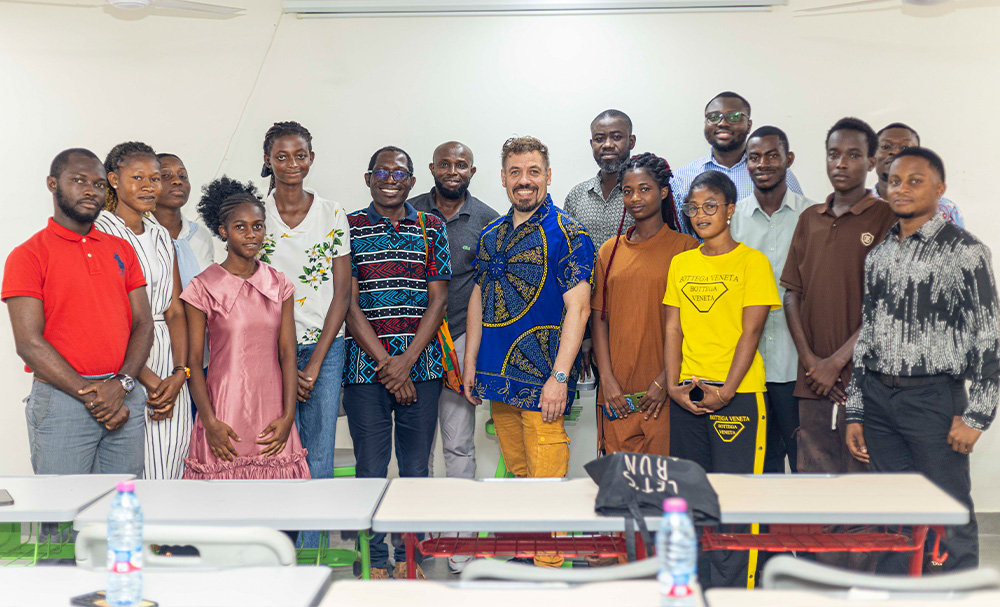
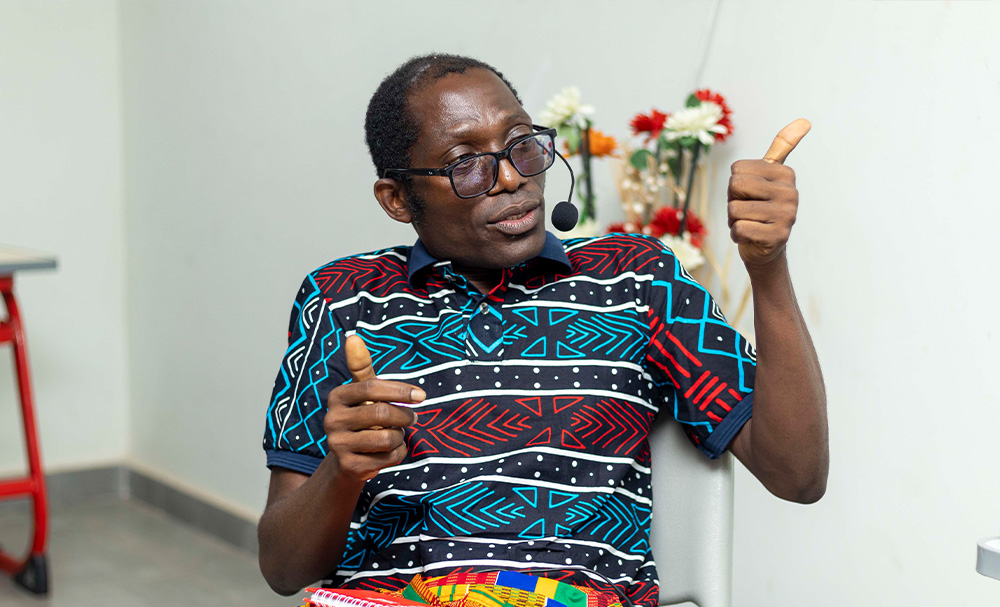
A research fellow at the Centre for Cultural and African Studies at the Kwame Nkrumah University of Science and Technology, Kumasi (KNUST), Dr. Charles Prempeh, has described the blending of religious practices in Ghana as a reflection of the complexity of human experience rather than a contradiction.
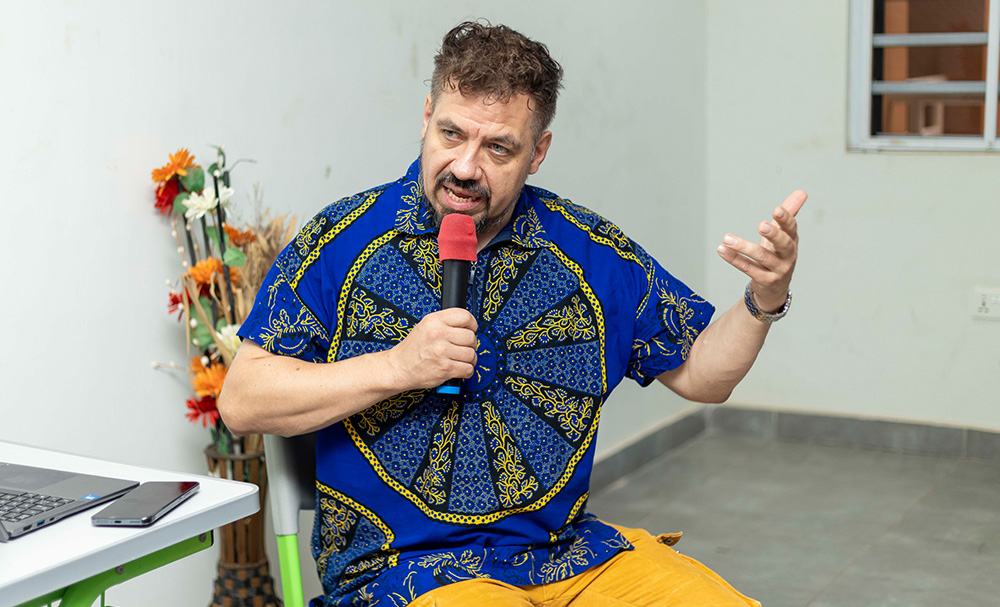
He made the remarks during a session of Kumasi Conversations, hosted by Associate Professor at the Faculty of Law at The Arctic University of Norway Prof. Maurius Storvik, where discussions centred on religion, culture and governance in African and global contexts.
Dr. Prempeh said religious life in Ghana is shaped by a layered and flexible worldview influenced by both indigenous traditions and contemporary religious practices. He distinguished between “transcendental” religions such as Christianity and Islam, and indigenous belief systems.
According to him, transcendental religions demand exclusive allegiance to a singular divine authority, whereas indigenous systems operate differently and can coexist with other forms of belief.
The discussion was prompted by observations of individuals participating in both shrine rituals and church services, an experience often described as cognitive dissonance. Dr. Prempeh said such occurrences are a natural aspect of human behaviour.
“Human beings have the capacity to inhabit multiple dissonances,” he said.
He added that indigenous religious systems are largely functional, with spiritual entities valued based on their ability to address specific needs in people’s lives rather than any inherent or absolute authority.
“The relevance is functional, not inherent,” he said, explaining why people can move across religious spaces “to respond to the challenges they face.”
Dr. Prempeh said the phenomenon is not limited to Ghana but reflects a broader human tendency to draw on multiple systems of meaning.
The conversation also examined the relationship between religion and governance. Drawing comparisons with European history, Prof. Storvik said Christianity and monarchy became intertwined in countries such as Norway, contributing over time to the development of modern state systems and eventual secularisation.
“There’s a very low number of people that is actually attending church,” he said.
On the African context, Dr. Prempeh linked political authority to spiritual legitimacy, citing the Asante Kingdom as an example. He described its governance system as “covenantal rather than contractual,” grounded in moral and symbolic relationships between leaders and their people.
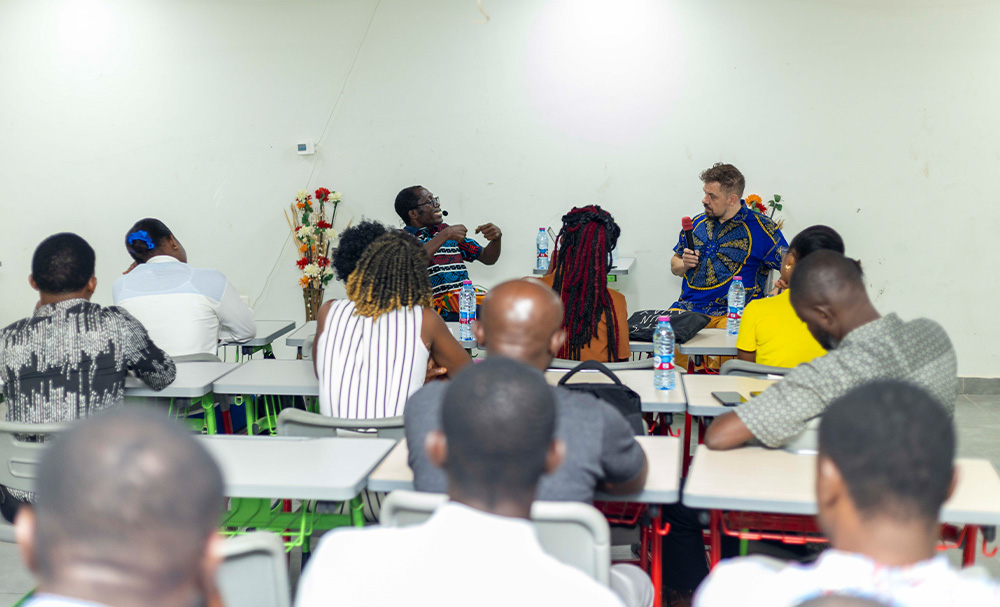
Referencing established political thought, he said African political systems evolved along distinct historical trajectories, with the Asante state demonstrating structured governance and pluralism prior to colonial influence.
He cautioned against the dangers associated with the concentration of power, likening it to “an egg in a palm” that can break if handled too tightly or too loosely.
“Power has such an overwhelming impact and influence in shaping people’s decisions and actions,” Dr. Prempeh said.
The discussion highlighted the role of religion, knowledge and historical change in shaping societies, noting that both African and European contexts have evolved through complex interactions between belief systems, authority structures and human experience.
| Story: Abigail Ofori | Photos: Isaac Kwaku Duah |


