
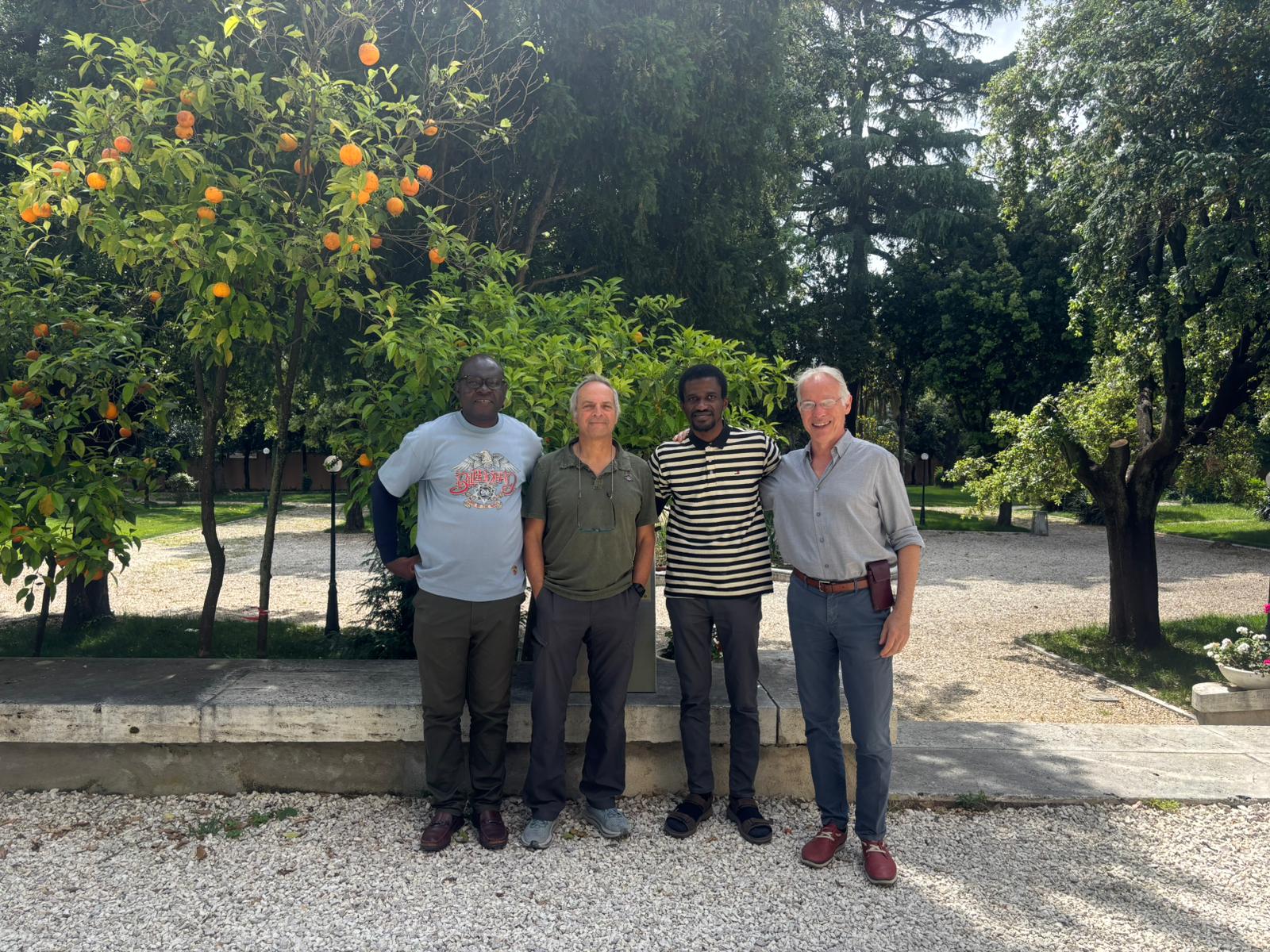
Researchers from Kwame Nkrumah University of Science and Technology, Kumasi (KNUST) have joined leading African and European scientists in advancing global health research under the Dottorati di ricerca Italia-Africa initiative, a collaborative programme aimed at strengthening research partnerships between Italy and African institutions.
The initiative, led by Istituto Superiore di Sanità in partnership with Sapienza University of Rome and several African universities and research institutions, seeks to tackle critical global health challenges through high-level scientific collaboration and doctoral research.
An international meeting held at the ISS headquarters showcased ongoing research by PhD candidates from Ghana, Tunisia, Burkina Faso, Nigeria, and Senegal.
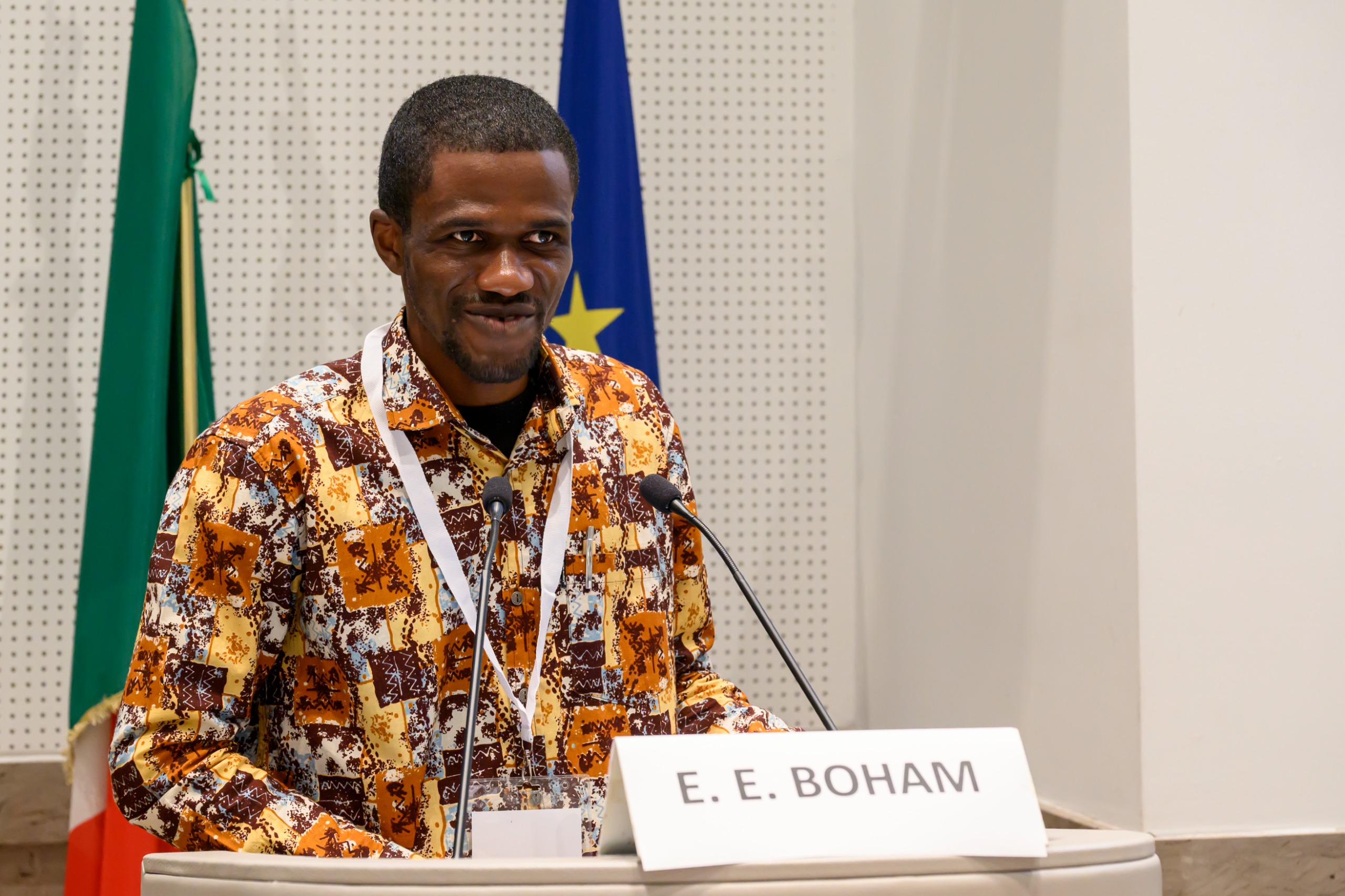
A major highlight of the event was a presentation by KNUST PhD student, Eric Ebenezer Boham, whose research project titled “Unveiling Plasmodium falciparum gametocyte dynamics in asymptomatic malaria” is providing new insights into how the human bone marrow microenvironment serves as a reservoir for malaria parasites.
The study is expected to contribute significantly to malaria elimination efforts by improving understanding of malaria parasite sequestration in human bone marrow and exploring strategies for accessing human bone marrow for malaria studies.
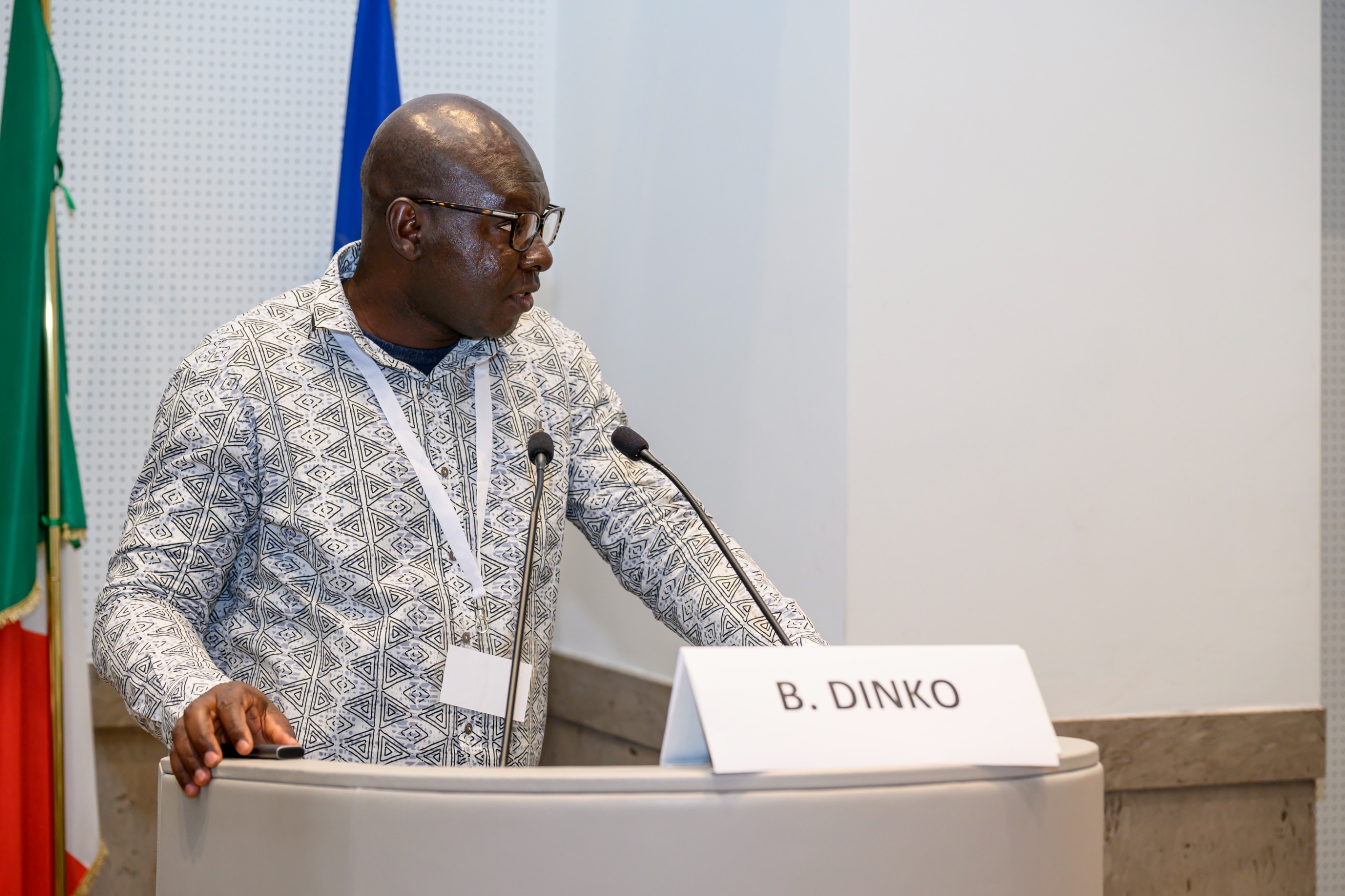
Speaking during the discussions, Dr. Bismarck Dinko, who serves as Mr Boham’s Ghanaian supervisor at KNUST, together with Francesco Silvestrini, emphasized the importance of international scientific collaboration in addressing malaria and other infectious diseases affecting Africa.
The research is built on a strong partnership between KNUST and the ISS, reflecting growing academic cooperation between Ghana and Italy in the field of global health research.
The event also brought together prominent institutional leaders, including Rocco Bellantone and Antonella Polimeni, alongside representatives of the European Commission and Italy’s Ministry of Foreign Affairs and International Cooperation.
Discussions also focused on how the research projects under the initiative can be transformed into sustainable platforms for scientific diplomacy, long-term international cooperation, and improved health outcomes across Africa and Europe.


