
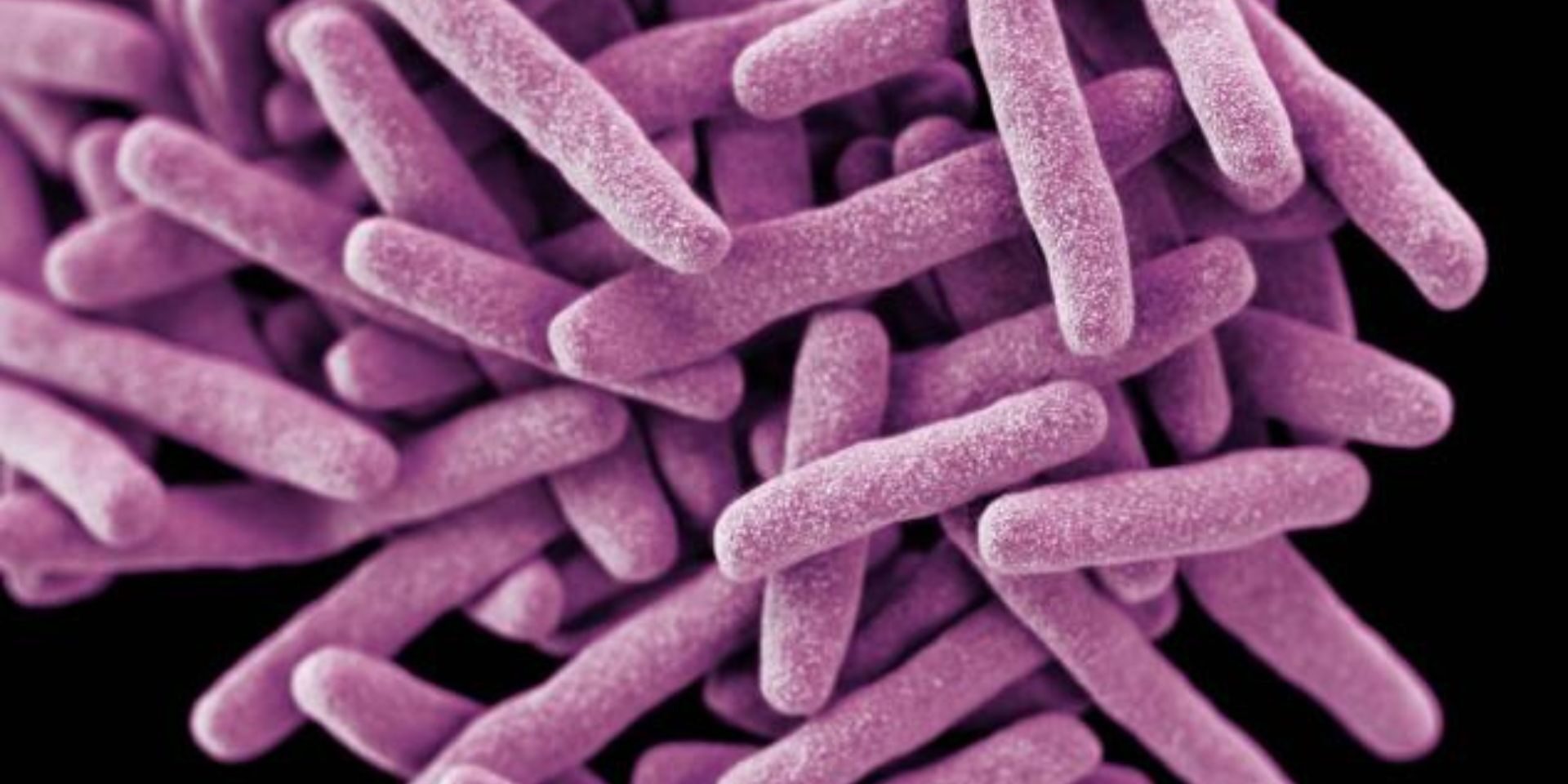
A new study by scientists at the Kwame Nkrumah University of Science and Technology, Kumasi (KNUST) has revealed the presence of a dangerous drug-resistant strain of tuberculosis (TB) in Ghana.
The research, published in the Egyptian Academic Journal of Biological Sciences Microbiology examined four TB samples collected from patients at Cape Coast Teaching Hospital and found that all four were resistant to at least two major TB drugs, making them multidrug-resistant tuberculosis (MDR-TB).
One strain showed signs of becoming even more dangerous, a condition known as pre-extensively drug-resistant TB (pre-XDR TB), which is far more difficult and costly to treat.
Using advanced DNA testing known as whole-genome sequencing, scientists identified several genetic mutations that help the TB bacteria survive treatment with key medicines such as rifampicin, isoniazid and fluoroquinolones.
The researchers are concerned that Ghana still relies mostly on traditional laboratory testing methods that can take weeks to detect drug resistance and may fail to identify emerging resistant strains early enough.
They say faster genetic testing could improve treatment and help stop the spread of dangerous TB infections.
The study also found that the TB bacteria remain highly capable of causing disease despite becoming drug-resistant.
Most of the genes linked to the bacteria’s ability to infect and survive in the body were nearly identical across all the samples studied.
The researchers are calling for routine use of whole-genome sequencing in Ghana’s TB control programme to improve surveillance, speed up diagnosis and prevent the rise of more dangerous forms of tuberculosis.


