
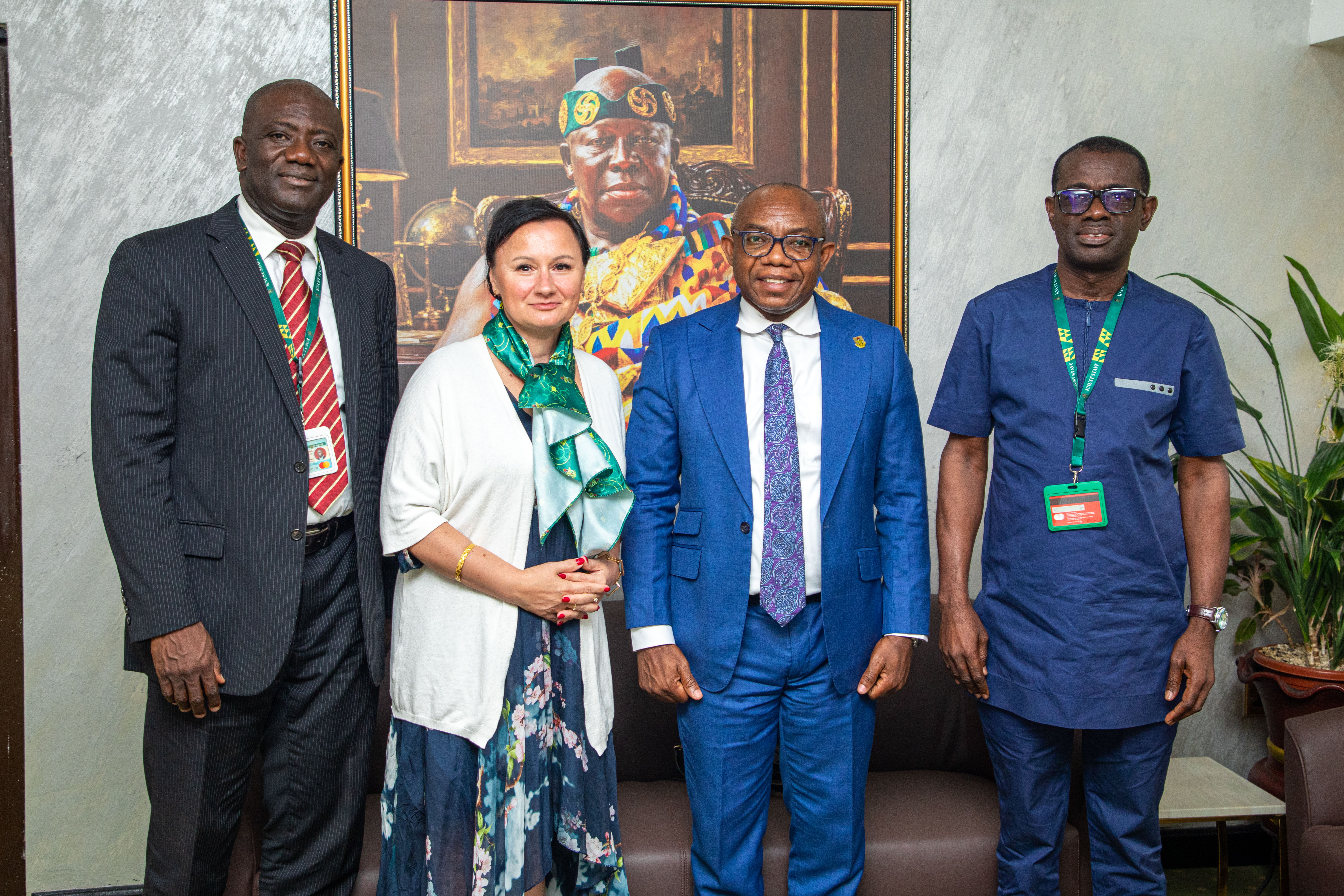
The Kwame Nkrumah University of Science and Technology, Kumasi (KNUST), is exploring a partnership with SGH Warsaw School of Economics in Poland to support student and staff exchanges, internships, joint research and collaborative academic programmes.
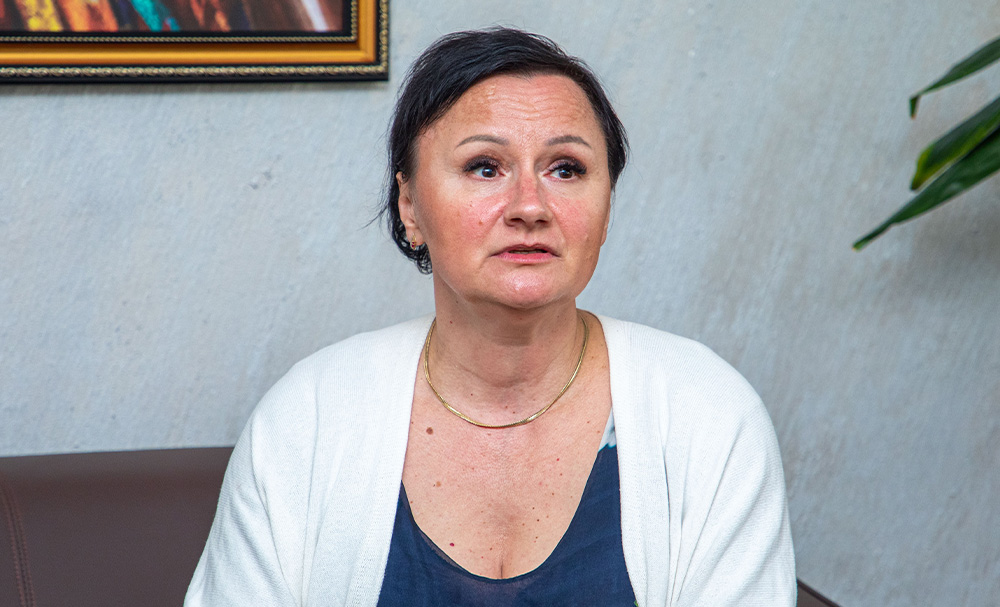
The proposed partnership was discussed during a meeting between the Vice-Chancellor of KNUST, Professor Christian Agyare, and Dr Anna Masłoń-Oracz, Rector’s Plenipotentiary for Africa at SGH Warsaw School of Economics.
Professor Agyare said the initiative aligned with the vision of KNUST’s Chancellor, His Royal Majesty Otumfuo Osei Tutu II, who had expressed interest in developing lasting partnerships between KNUST and Polish universities.
He encouraged Dr Masłoń-Oracz to help establish links, particularly between KNUST’s School of Business and Department of Economics and SGH Warsaw School of Economics.
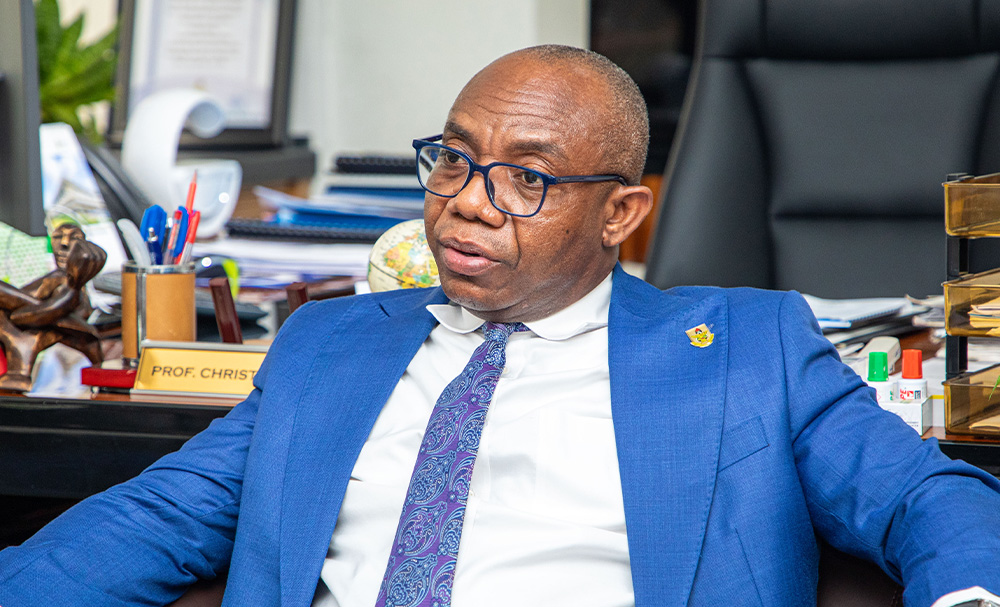
Professor Agyare said a memorandum of understanding (MoU) would provide a framework for the partnership.
“We are ready to review a draft agreement and work towards identifying practical areas of cooperation,” he said.
He identified exchanges, internships, joint research, applications for international research grants and collaborative academic programmes as potential areas of cooperation. These could provide international academic exposure for undergraduate and postgraduate students, he added.
The Vice-Chancellor said the agreement should accommodate future cooperation and deliver tangible benefits to both institutions.
“The MoU should be drafted in such a way that it can capture any future engagement that we want to have,” he said.
Dr Masłoń-Oracz proposed short professional training programmes delivered online or in person, visiting professorships, academic study tours and industry visits.
“Some of us can come here and teach as visiting professors and, likewise, you can come to our university for a study tour, visit, and also we can organise,” she said.
She cited a two-week study tour organised by SGH Warsaw School of Economics for master’s and MBA students from a university in Dakar, Senegal.
The programme combined academic training with company visits to introduce participants to business operations and industry practices in Poland.
Dr Masłoń-Oracz also highlighted Poland’s economic transformation over the past three decades, attributing its progress to investment in education and the development and retention of local talent.
“My answer to how we did it is through good education, through talented people who stayed in the country,” she said.
She also identified opportunities for cooperation in investment financing, saying Polish institutions could support private-sector investments through public funding mechanisms.
Similar arrangements could be explored for suitable university investment initiatives, she added.
Story; Abigail Ofori Photos: Isaac Kwaku Duah


