
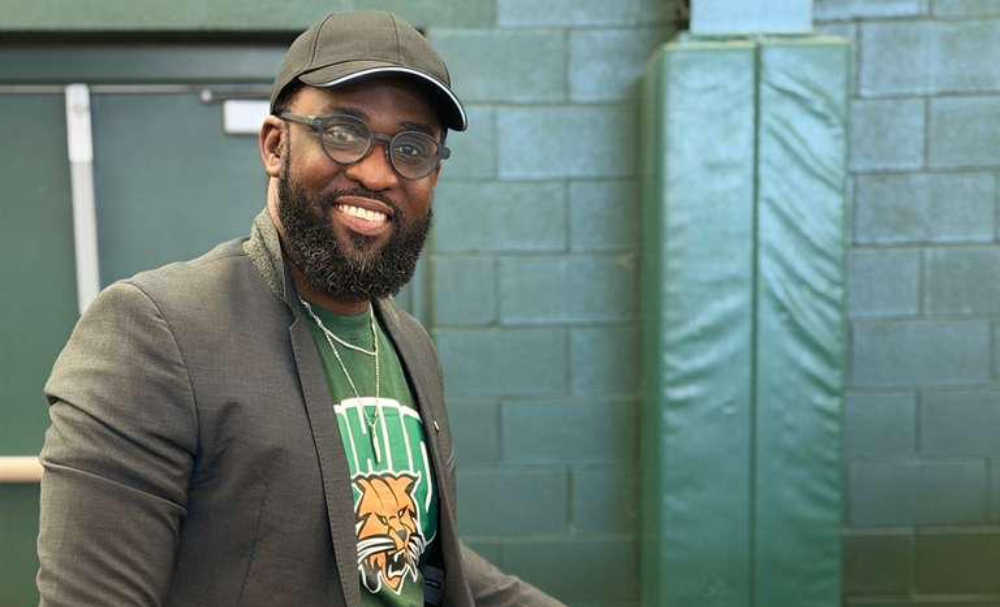
A Ghanaian virtual reality developer and Kwame Nkrumah University of Science and Technology, Kumasi alumnus, Mr Edmund Darko, is gaining recognition for his work at the intersection of immersive technology and cultural preservation.
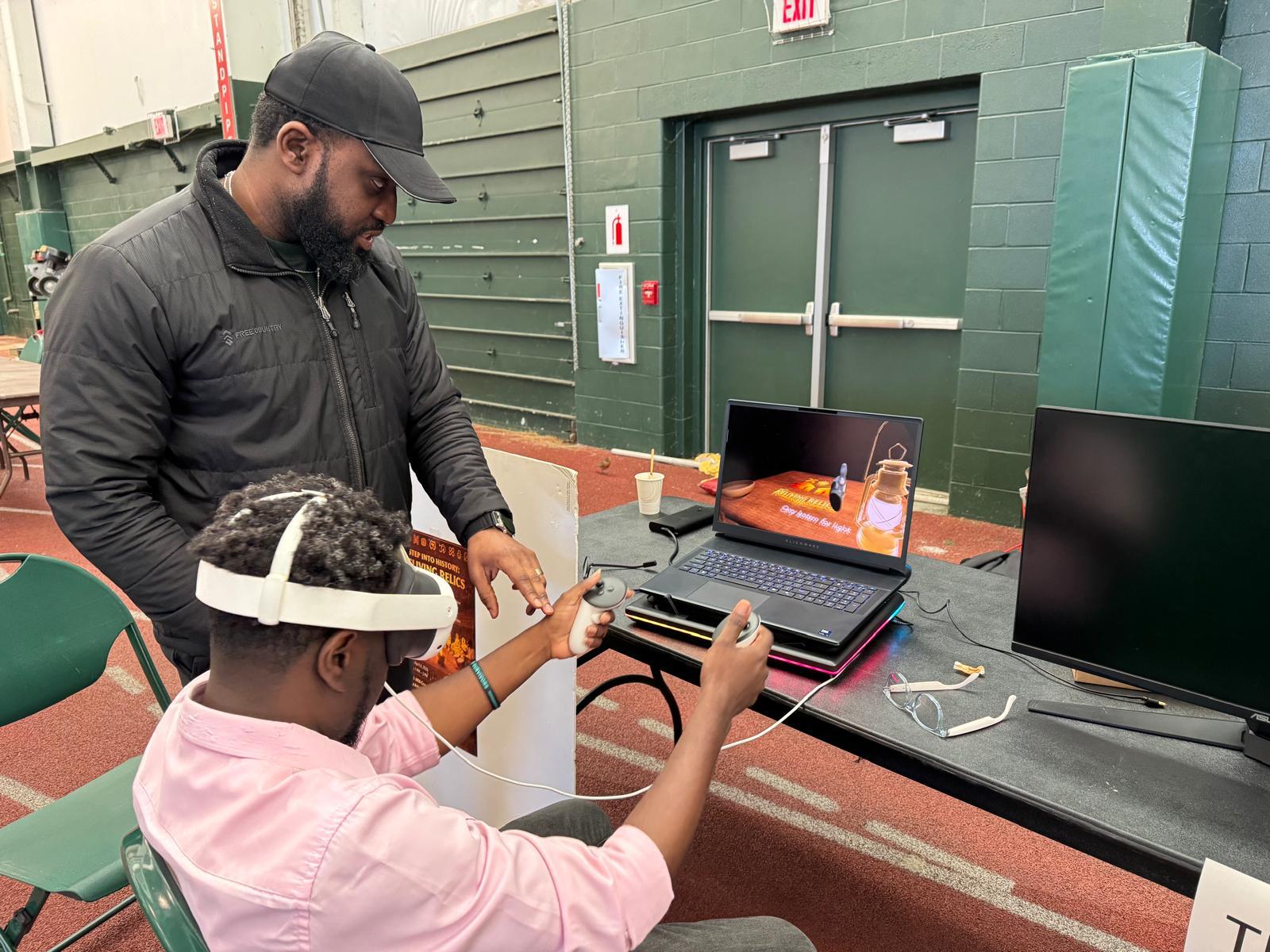
Mr Darko holds a Bachelor of Arts degree in Integrated Rural Arts and Industry from KNUST and is currently pursuing a Master of Fine Arts in Communication and Media Arts at Ohio University. He is the creator of Reliving Relics, an interactive virtual reality platform that documents and communicates African cultural heritage through experiential storytelling.
Unlike conventional digital archives, Reliving Relics emphasises the reconstruction of context, meaning and lived experiences associated with cultural history. The project enables users to engage with historically significant environments and narratives, offering a deeper level of understanding beyond static observation.
One component of the project explores the historical and symbolic context surrounding the Golden Stool, a revered emblem of the Ashanti Kingdom. Rather than attempting to replicate sacred objects, the experience presents a guided, interpretive narrative that educates users on its significance while maintaining cultural respect and integrity.
Speaking on the motivation behind the project, Mr Darko emphasised the importance of preserving not only artefacts, but also the events and meanings that give them historical value.
“A place or object derives its significance from the history and experiences connected to it. Virtual reality enables the preservation and embodiment of those experiences, allowing audiences to engage with cultural heritage beyond observation,” he said.
Reliving Relics received first place at the 2026 Ohio University Student Research and Creative Activity Expo, recognising its innovation in immersive storytelling and digital media.
In addition to his project-based achievements, Mr Darko has also been recognised for excellence in teaching and academic practice at Ohio University. He is the recipient of the 2026 Best Graduate Student Teaching Award in Emerging Communication Technologies and the 2026 Best Graduate Student Teaching Award in Media Arts and Studies, awarded by the Scripps College of Communication’s MFA programme in Communication and Media Arts.
According to Eric Williams, Director of the MFA programme, who presented the awards, Darko’s achievement is historically significant within the programme.
“This is remarkable because it is the first time in the history of the programme that one individual has received teaching awards in both Emerging Communication Technologies and Media Arts in the same year,” he said.
Beyond cultural preservation, the project highlights the role of emerging technologies in supporting institutional engagement. By enhancing visitor interaction and learning experiences, virtual reality applications are positioned to contribute to increased museum attendance, expanded educational programming and broader public interest in heritage institutions.
As interest in digital heritage continues to expand globally, Mr Darko’s work reflects a growing interdisciplinary approach that combines technology, storytelling and cultural scholarship. His project contributes to ongoing efforts to make heritage more accessible while maintaining the values and protocols that define it.
Looking ahead, Mr Darko aims to collaborate with cultural institutions and museums to further develop Reliving Relics as a tool for immersive education, positioning virtual reality as a complementary extension of traditional heritage spaces.


