
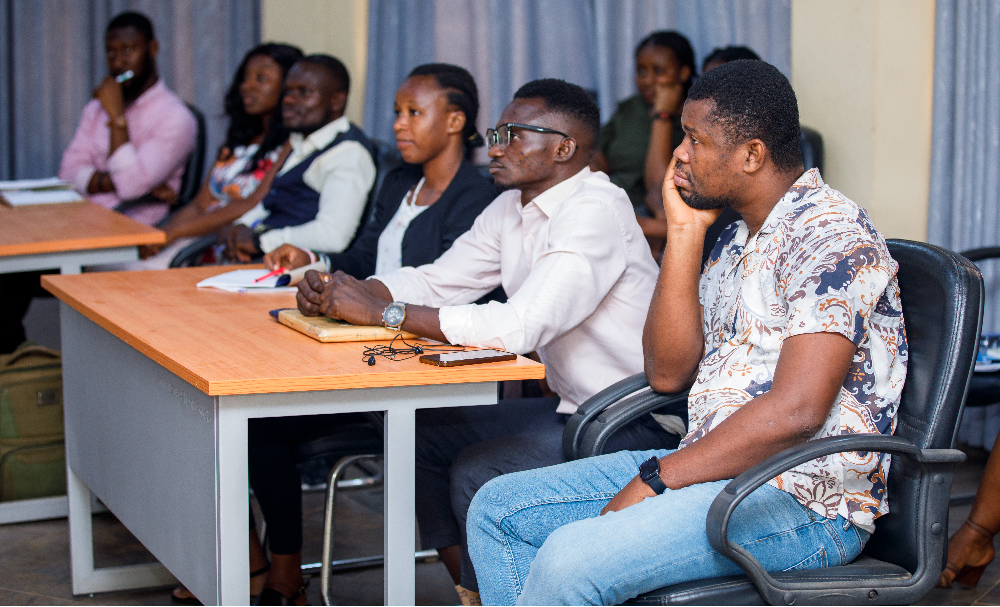
The KNUST-UNICEF Project Corporation Agreement (PCA), has begun training enumerators to strengthen research ethics, professionalism and data quality in a nationwide study aimed at reducing Ghana’s growing dependence on sachet water.
The three-day training focuses on ethical data collection and field preparedness as researchers examine the economic trade-offs and investment case for improving public water services.
Nationally, sachet water accounts for about 37% of drinking water consumption, with urban reliance exceeding 50%. Meanwhile, access to piped water has declined from 32% in 2010 to 13% in 2021.
Despite its widespread use, sachet water does not qualify as “safely managed” under Sustainable Development Goal (SDG) 6.1, raising concerns about long-term sustainability, plastic waste and household costs.
The project led by the Principal Investigator Prof. Kwabena Biritwum Nyarko seeks to develop actionable, evidence-based and stakeholder-informed recommendations to reduce reliance on sachet water while promoting confidence in public tap water systems.
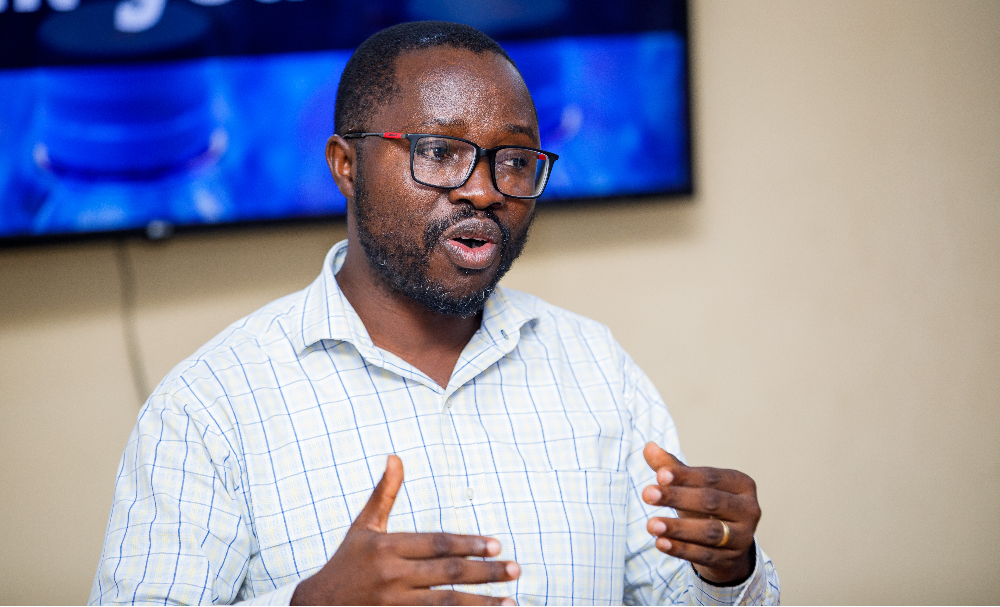
Speaking at the opening of the training, Co-Principal Investigator Dr. Eugene Appiah-Effah said the study would examine both the quality and reliability of Ghana’s water supply systems, with particular attention to inclusive participation.
“Once we provide evidence and brief policymakers, that will not be the end. We need actionable plans and meaningful participation from marginalised groups. No one should be denied access to quality water,” he said.
Dr. Appiah-Effah noted that early perceptions about poor pipe-borne water quality contributed to the rapid growth of the sachet water industry.
“When the sachet water business started, the idea was sold that pipe-borne water was unsafe. Ironically, much of the sachet water is treated Ghana Water pipe water packaged for sale. We must work to change perceptions about public water systems,” he added.

Dr. Barbara Gyapong-Korsah, a member of the research team, urged enumerators to approach the assignment with diligence and ownership, noting that plastic waste from sachet water has become a visible public health burden.
“This project affects all of us. When you walk around, sachets are everywhere. Let’s take this seriously, ask the right questions and prepare well for fieldwork,” she said.
She also highlighted the need to rebuild trust in local water systems, observing that while visitors to Ghana often drink tap water, many residents remain hesitant.
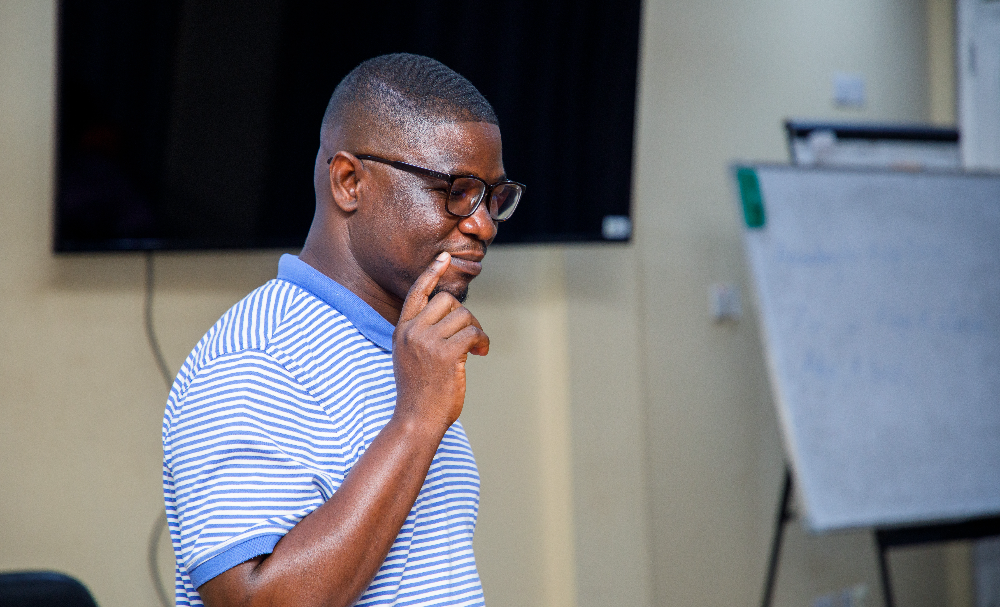
Mr. Godwin Armstrong Duku, a Research Fellow of the project, emphasised the importance of informed consent, data protection and integrity during fieldwork.
“There must be no fabrication or alteration of data. Personal information must be protected and kept within the research team,” he said.
Beyond the national study, Mr. Godwin also discussed practical solutions within the university community, including the establishment of water fetching points on campus to reduce bottled and sachet water consumption.
The proposal includes encouraging students to use reusable bottles as part of efforts to manage plastic waste more sustainably.
The KNUST-UNICEF project is expected to produce a policy brief and stakeholder presentations for government and development partners, outlining investment pathways to strengthen public water services and curb sachet water dependence across Ghana.
By: Edith Asravor Photos: Gabriel Awinzo


