
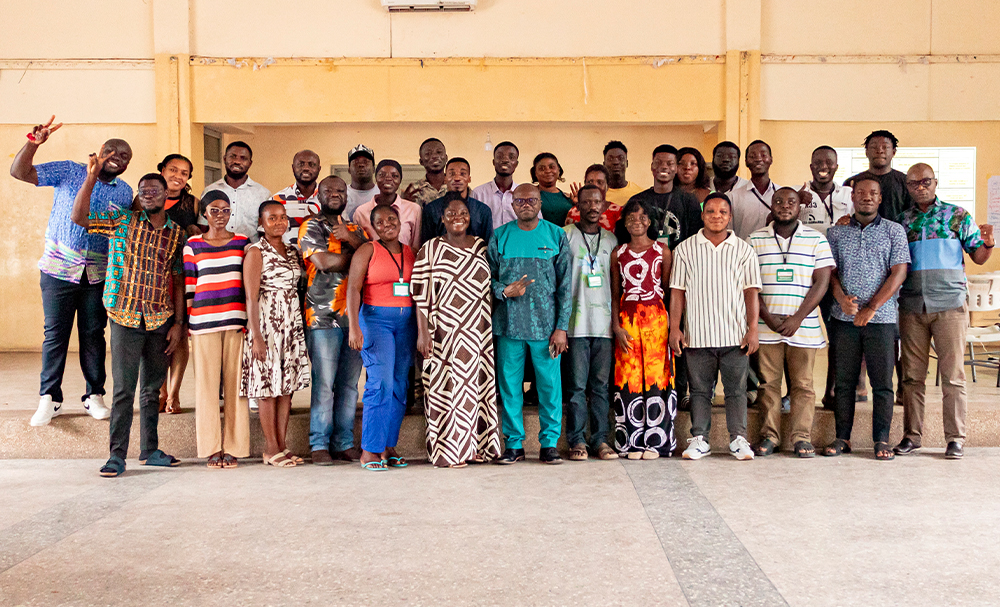
The KNUST Nutrition and Sustainable Agrifood Collaborative, in partnership with the Mastercard Foundation (Nkabom Collaborative) has launched its Community-Based Entrepreneurship Training (CBET) programme in Sekondi in the Western Region.
The first cohort of the 10-day programme brought together 30 participants to equip them with practical intrapreneurship and entrepreneurship skills to develop, start and grow viable ventures across the agrifood value chain.
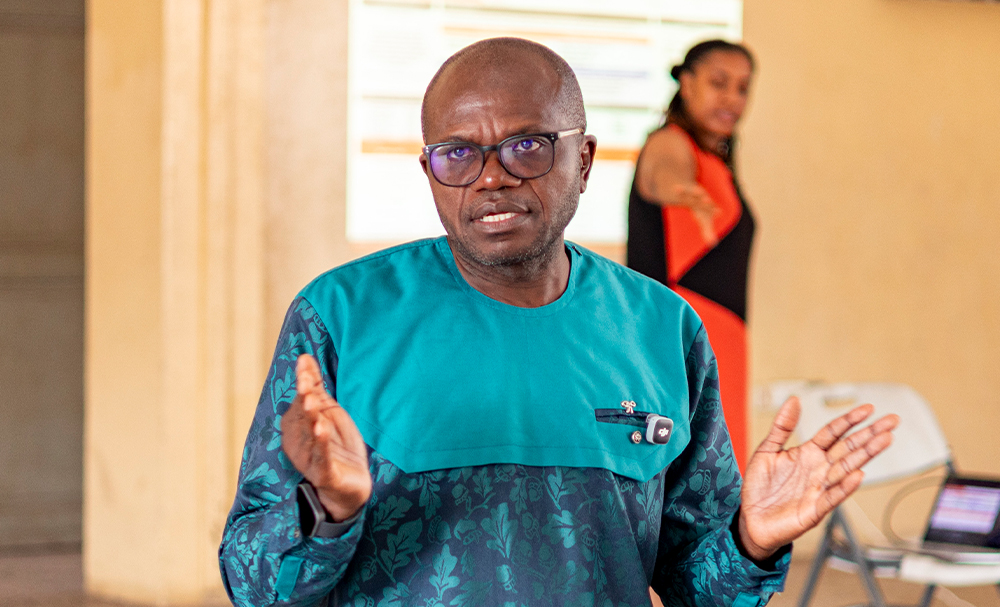
Professor Wilberforce Achiaw Owusu-Ansah, lead of the Entrepreneurship Pillar, said the choice of Sekondi was deliberate, challenging the common perception that job creation challenges are largely concentrated in rural areas.
"More often than not, the thinking has been that it is the rural areas that are lacking in terms of job creation. But the truth of the matter is that some urban areas like Sekondi have more problems than the rural areas," he said.
Professor Owusu-Ansah cited data from the Ghana Statistical Service showing that unemployment among people aged 15 to 35 in Sekondi stood at 21.9 per cent, compared with a national average of 12.8 per cent. The figures cover the first three quarters of 2025.
He said the training was designed not only to support individual participants but also to contribute to addressing unemployment in the wider community.
Professor Owusu-Ansah said participants whose business ideas prove viable and resonate with the project team during the pitching stage would be eligible to receive up to $15,000 in support.
He encouraged participants to take full advantage of the training to contribute to job creation in Ghana.
"Let's take this training very seriously and make sure that we are able to do something significant in our life so that we impact on our family and the country at large," he said.

Dr Isaac Tweneboah-Koduah, lead facilitator, said participants would be coached to commercialise their ideas across the agrifood value chain, from inputs to consumer markets.
He said the programme would also take participants through the development of a comprehensive business plan using the Nkabom Hybrid Business Model Canvas, covering the problems they have identified, their proposed solutions, target customers and competitive advantages.
“The goal is to help participants move beyond thinking only about finding jobs and begin to think about creating solutions and value propositions that people are willing to pay for,” he said.
Story: Michael Kwawu


