
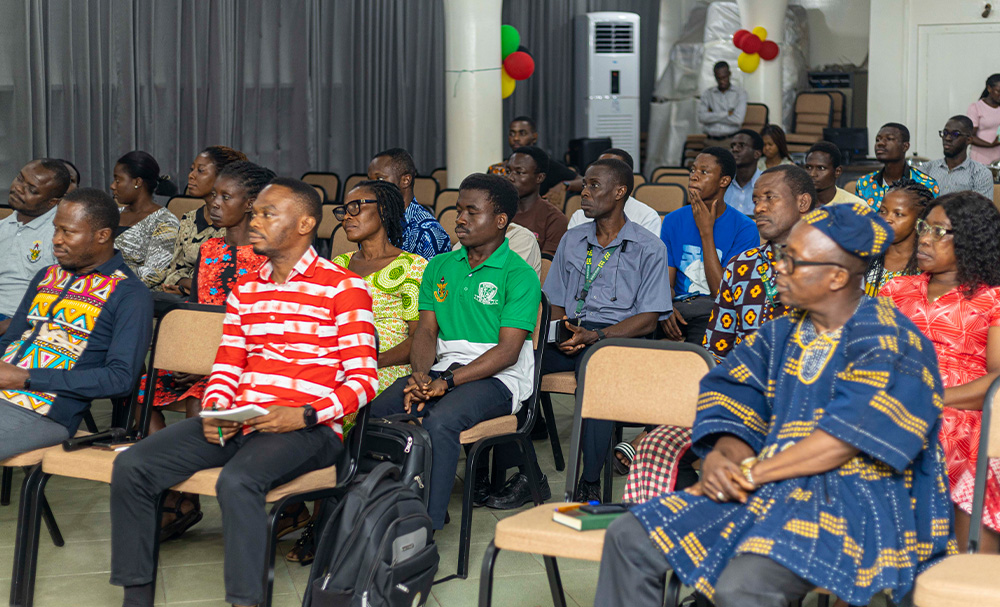
The Library System of the Kwame Nkrumah University of Science and Technology, Kumasi (KNUST) has launched a new academic engagement platform known as ‘ScienceFriday’, aimed at encouraging scientific discussion, research sharing and interdisciplinary collaboration within the university community.
The initiative brought together students, researchers, faculty members and library staff to explore scientific ideas and emerging research.
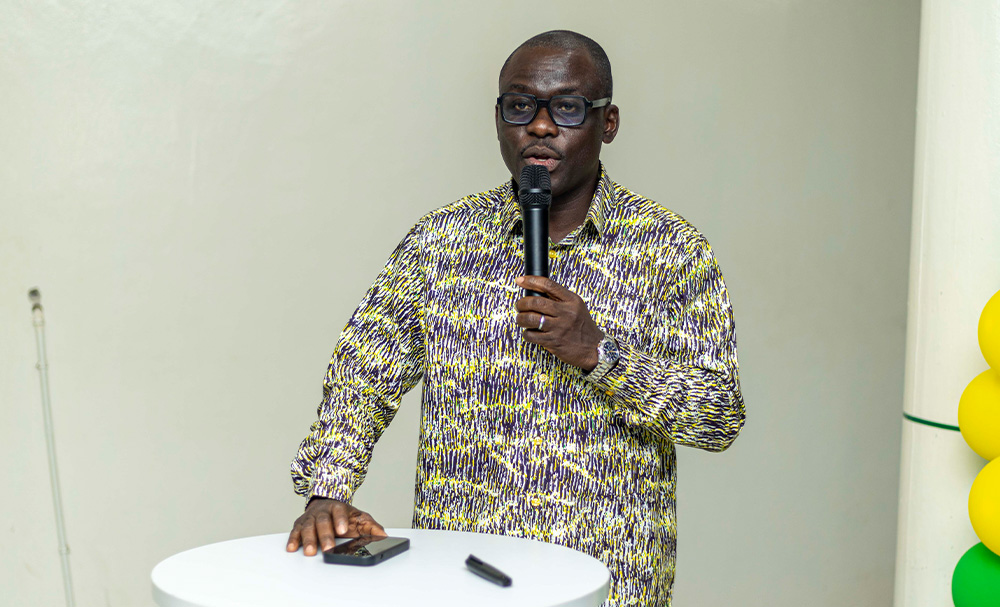
University Librarian, Dr. Richard Bruce Lamptey, welcomed participants and highlighted the importance of making science accessible to everyone.
“Science is a very powerful thing,” he said. “If you are not careful, you will think that it is only for clever students or those with very sharp brains. This programme is going to demystify science and mathematics and many of the things we think are difficult about science.”
He emphasised the evolving role of academic libraries, describing them as active partners in the research and innovation process.
“The KNUST Library System, as the intellectual hub of the University, is committed not only to providing access to information resources but also to supporting the entire research life cycle, from discovery of information to knowledge creation and dissemination,” he said.
He also commended library staff and other university personnel for their efforts in organising the programme, noting that their dedication demonstrates the continuing importance of libraries in fostering academic dialogue.

Dr. Cyril Dziedzorm Boateng, a Senior Lecturer in the Department of Physics, delivered a presentation exploring how modern geophysical techniques, including drones and ground-penetrating radar, were used to uncover historical artefacts at a long-lost 18th-century fort in Ghana’s Central Region.
He also highlighted a key challenge faced by Europeans when constructing coastal forts: access to fresh water.
“Since Europeans could not drink seawater, they had to create underground cisterns, either carved directly from rock or constructed using bricks brought on their ships,” Dr. Boateng said.
He encouraged students to visit the exhibition at the KNUST Museum, where artefacts, photographs, maps and scientific results from the project are currently on display.
“When you see the exhibition, you will understand the full story,” he said. “It will help you appreciate how science connects to our history.”
Dr. Boateng also advised students not to limit themselves to only their fields of study.
“Do not box yourself in,” he said. “Be open to learning. Be curious. Science is everywhere.”
By: Akosua Konadu Bandoh


