
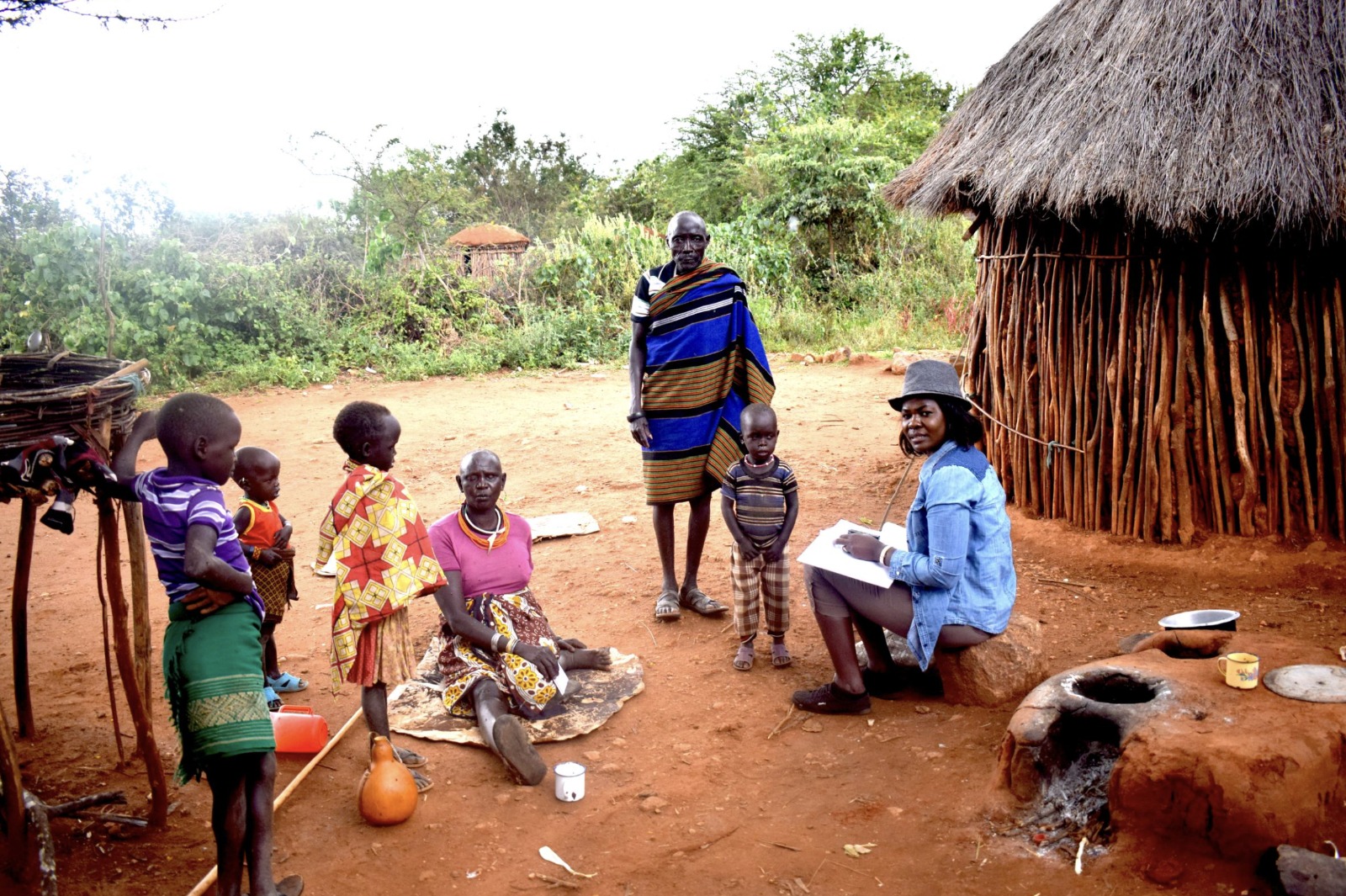
After months of funding turbulence that sent shockwaves through global health research, neglected tropical disease (NTD) programmes across Africa have faced difficult questions about continuity, capacity, and survival. Important studies were delayed, researchers were left in limbo, and long-standing community partnerships faced uncertainty.
Yet, on World NTD Day, a note of cautious optimism emerges.
The African Researchers Small Grants Programme (SGP) has successfully secured funding to support its cohorts VII and VIII, ensuring continued investment in African-led NTD research at a time when it is needed most.
The programme will continue to support early- and mid-career researchers across the continent, enabling them to generate locally relevant evidence, strengthen health systems, and contribute directly to national and regional NTD control and elimination programmes. For many researchers working closest to affected communities, this support represents validation that their work still matters.
Prof. John Amuasi, Executive Director of ARNTD and leading advocate for African-led research and equitable global health partnerships, emphasized that sustaining research capacity in times of uncertainty is critical to ending the cycle of neglect that defines NTDs.
“For ARNTD, this moment is about safeguarding continuity. Supporting Cohorts VII and VIII ensures that African researchers can continue to generate evidence that directly informs national NTD programs and responds to the realities faced by affected communities. Sustained, locally led research is essential if we are serious about ending neglect,” he said.
Applications for the Small Grants Programme VII (SGP VII) call have already closed, with 553 applications received, of which 107 were deemed eligible and are currently under full review across 16 countries. Among the eligible applications, 76 were submitted by male researchers and 31 by female researchers.
The selected awardees will be formally announced once the review process is complete. Projects are expected to focus on priority preventive chemotherapy and skin NTDs, implementation and operational research to strengthen programme delivery and surveillance, and efforts to improve equitable access to NTD interventions, including through integrated One Health and AI-enabled approaches.
As the global community marks World NTD Day, this development offers a moment of encouragement. While challenges persist, the continuation of the African Researchers Small Grants Programme signals that progress is still possible, driven by African researchers, grounded in local realities, and focused on those who have been left behind for far too long.
Ending neglect requires sustained commitment. Today’s announcement on World NTD Day reaffirms that maintaining momentum and protecting long-term action against NTDs must remain a priority, even in uncertain times.
By: Dr. Neta Parsram


