
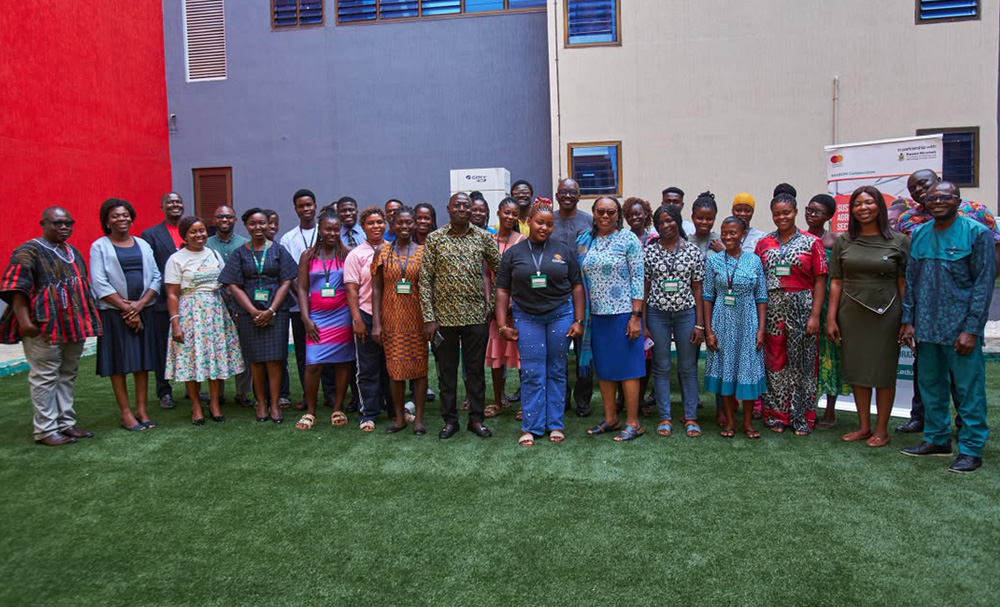
The Kwame Nkrumah University of Science and Technology, Kumasi (KNUST) Nutrition and Sustainable Agri-food Collaborative, in partnership with the Mastercard Foundation (Nkabom Collaborative), has commenced the second cohort of its Multi-Purpose Integrated Programme (MIP) for youth from Adansi South - Ashanti Region and Abura Asebu Kwamankese District in the Central Region.
The programme which seeks to equip non-tertiary youth started with 30 participants. Courses to be explored include: agricultural enterprises, including aquaculture, climate-smart agriculture, micro-livestock production, greenhouse vegetable production, pottery production and value addition. Through these models, participants are expected to acquire the technical and entrepreneurial competencies needed to explore different opportunities within the agri-food value chain.
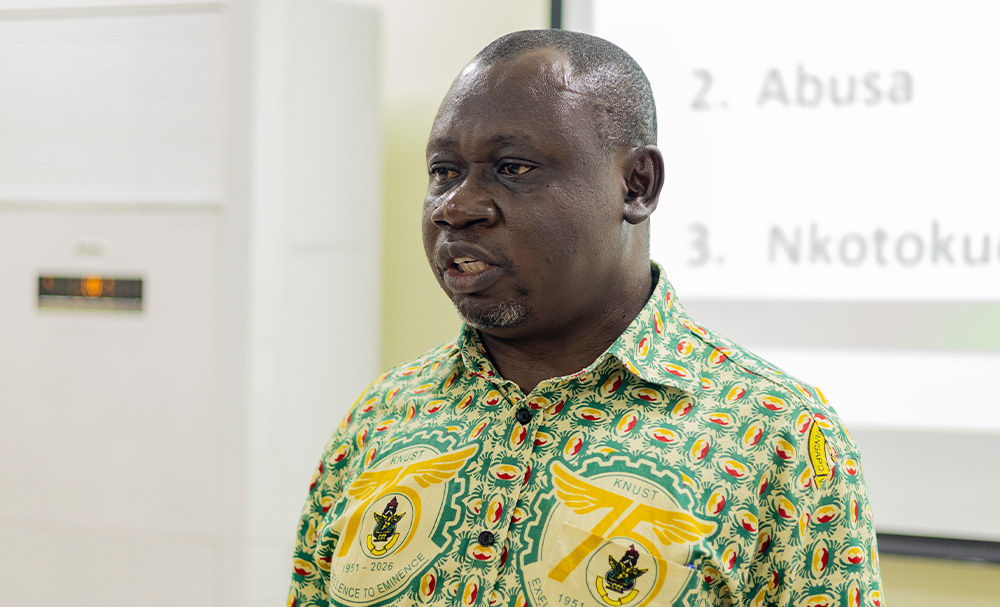
Lead Facilitator, Prof. Robert Aidoo, explained that the programme would progress from the foundational business management sessions to specialised training in the various agricultural models.
“After the general agribusiness management principles, we are moving to aquaculture, followed by climate-smart agriculture and micro-livestock production,” he said.
He added that participants would subsequently undergo an experiential learning phase, during which they would be attached to established organisations to gain industry exposure and refine their skills before venturing into independent businesses.
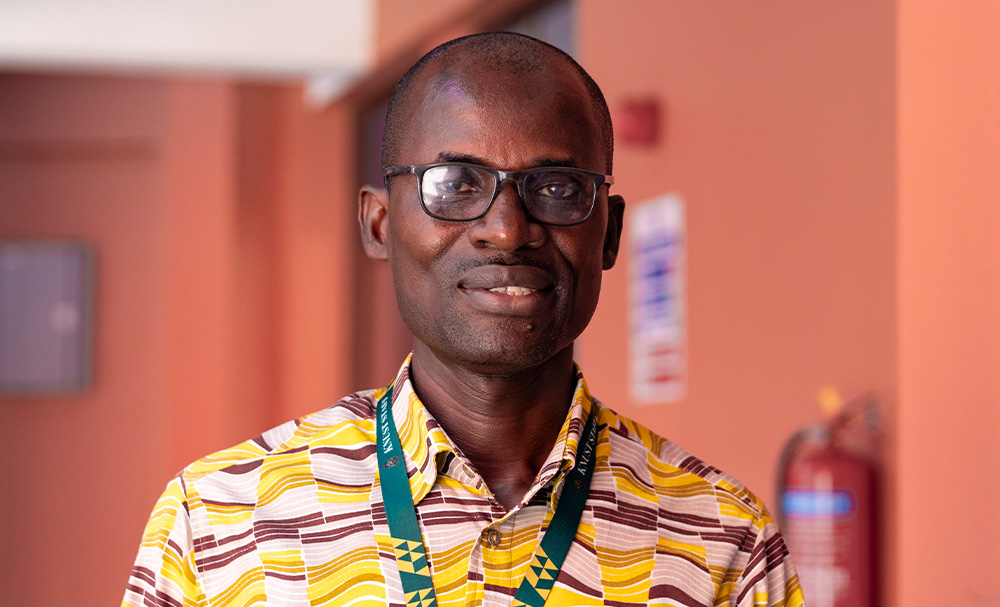
Prof. Fred Nimoh, a facilitator and the Dean of the faculty of Agriculture, underscored the importance of integrating business management into the various models, noting that technical knowledge alone would not guarantee the success of an agribusiness venture.
Participants were introduced to the principles of identifying customer needs, managing finances, keeping business records and making informed production decisions to improve profitability.
“Farming is a business, but they need to understand how to go about it to improve their businesses and maximise profits,” he stated.
Dr Ernest Amegawovor Akey, a facilitator, noted that participants were being equipped with skills to identify their target markets, determine appropriate prices for their produce and promote their products effectively.
He also highlighted different financing options, including leasing, loans and collaborative financing through group arrangements.
“Working in groups helps participants access funding and agricultural machinery that might otherwise be difficult to obtain individually,” he said.
Story: Michael Kwawu


