
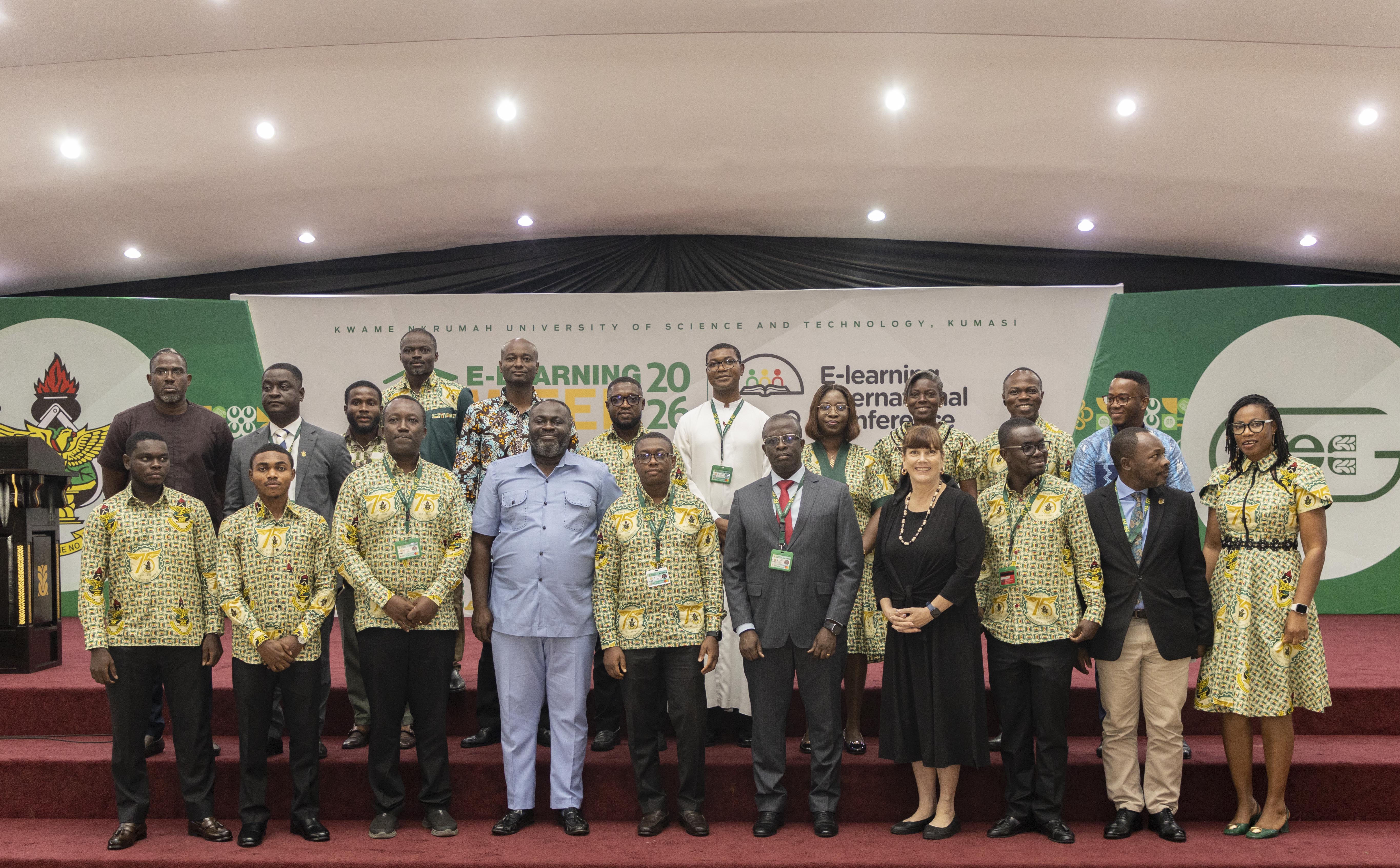
The Kwame Nkrumah University of Science and Technology, Kumasi (KNUST), has launched the 2026 E-Learning Awareness Week and International Conference, reaffirming its commitment to harnessing artificial intelligence (AI) and emerging digital technologies to advance inclusive, equitable and ethical learning ecosystems.
Opening the week-long programme, the Director of the Institute of Distance Learning (IDL), Professor Anthony Andrews, representing the Vice-Chancellor, said KNUST had embraced digital learning as a permanent feature of its academic enterprise, supported by sustained investments in digital infrastructure, online learning and student access initiatives.
He said the University had invested significantly in digital infrastructure, learning systems and human capacity to position itself as a leader in online and technology-enabled education.
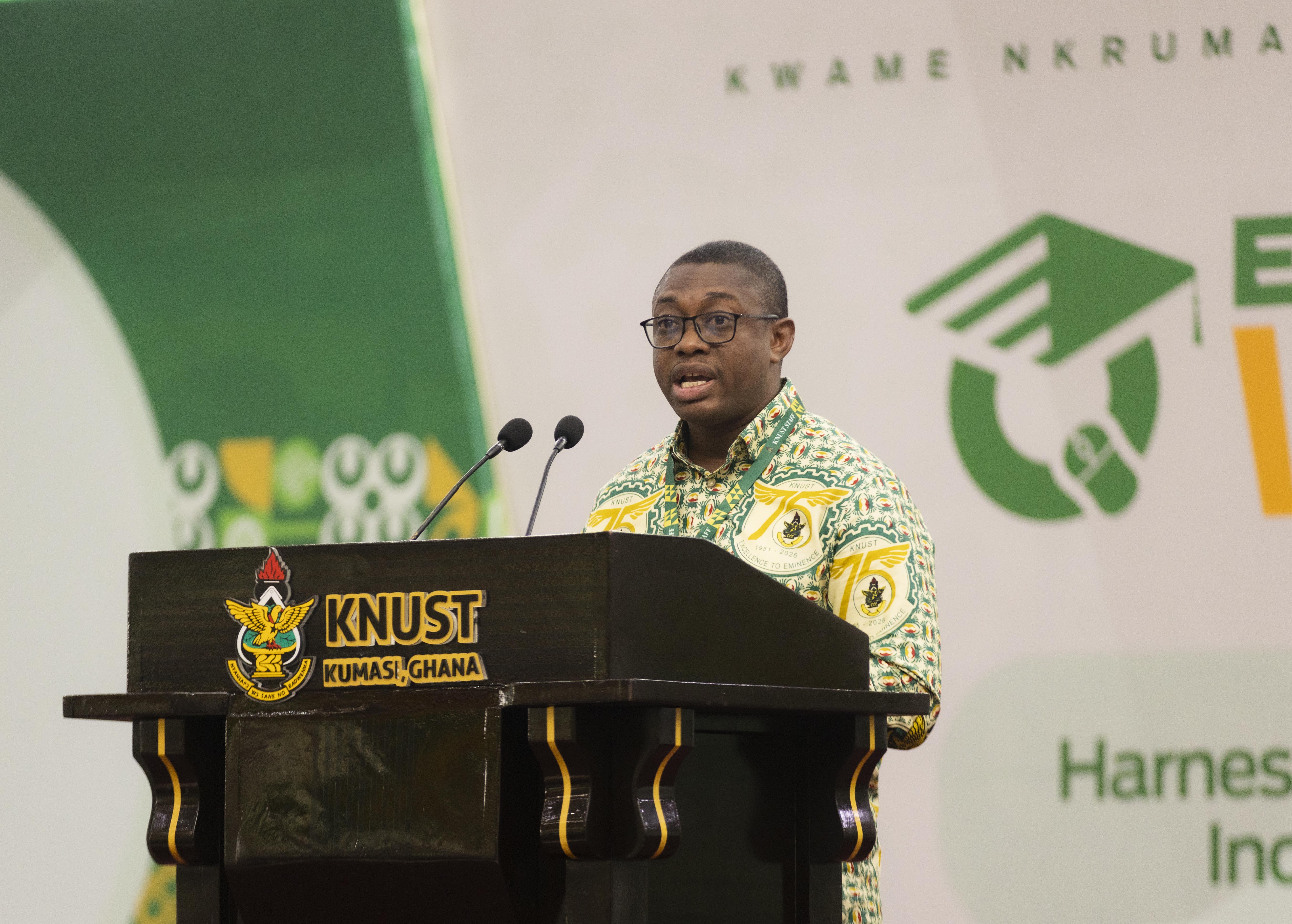
Professor Andrews highlighted several milestones, including the successful delivery of more than 100,000 online examination sessions annually, digital assessment systems, the Support One Needy Student with One Laptop (SONSOL) initiative, and the expansion of online professional education to learners across Ghana and beyond.
Beyond digital learning platforms, he said KNUST had established professional academies, including the Cisco Academy, AWS Academy, Oracle Academy, Huawei ICT Academy and ServiceNow Academy, to equip students with industry-relevant skills and professional certifications.
"These are not supplementary options for the technically inclined. They are a deliberate strategy to ensure that when a KNUST graduate walks through an employer's door, they carry with them not only a degree but the professional certifications and practical skills that the modern economy demands," he said.
Professor Andrews called for stronger collaboration between the University, government, UNESCO and other partners to develop digital education infrastructure that would serve not only KNUST but the broader national education system.
"What KNUST is building is not only a university project. It is a national asset, and we respectfully call on every partner to invest in it accordingly," he added.
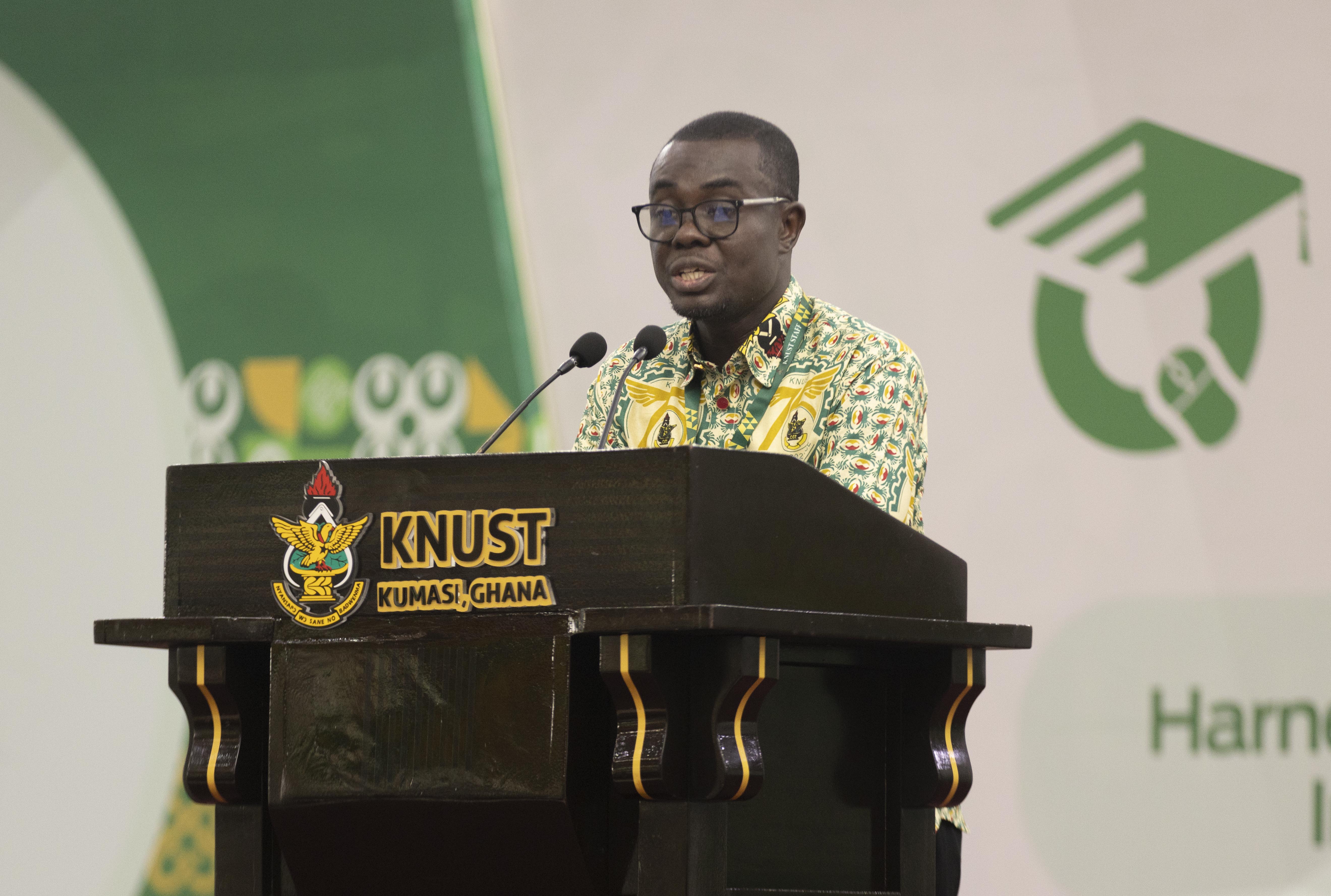
Welcoming participants, the Director of the KNUST E-Learning Centre, Ing. Professor Emmanuel Kofi Akowuah, said this year's theme, "Harnessing AI and Emerging Digital Technologies to Advance Inclusive, Equitable, and Ethical Learning Ecosystems," reflected KNUST's commitment to transforming education through technology.
"Artificial intelligence is no longer a distant promise; it is already shaping how we teach, how we assess, and how we support our students," he said. "But progress is not measured by the adoption of new tools alone. It is measured by whether those tools reach every learner, regardless of background or ability."
Professor Akowuah said the Awareness Week had evolved since its introduction in 2022 into a platform for advancing discussions on the future of digital education.
He urged participants to deepen their understanding of AI as a tool for inclusion rather than merely efficiency, strengthen digital literacy and academic integrity, and foster partnerships that would sustain responsible innovation beyond the week-long programme.
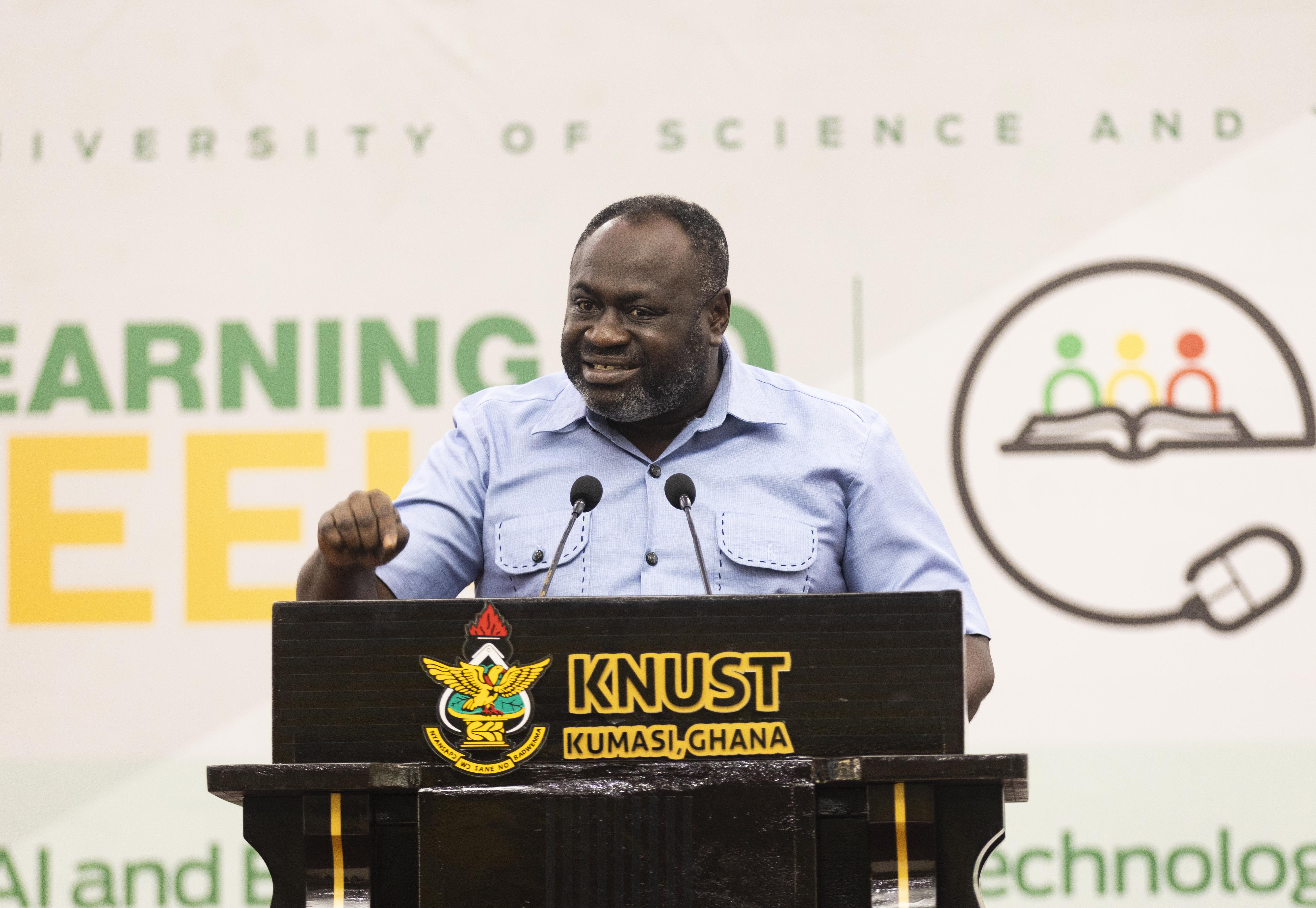
Delivering a message on behalf of the Minister for Education, the Ashanti Regional Director of Education, Dr William Kwame Amankrah, reaffirmed the government's commitment to integrating technology into Ghana's education system through ongoing reforms and investments in science, technology, engineering and mathematics (STEM), teacher professional development and digital learning infrastructure.
He said artificial intelligence and other emerging technologies were reshaping education and called for stronger collaboration among educational institutions, government and industry to ensure technological innovation improved learning outcomes and expanded educational opportunities for all.
"Our task is to ensure that education and technology become instruments of empowerment, inclusion, peace and prosperity for all Ghanaians," Dr Amankrah said.
Delivering a goodwill message, UNESCO Country Representative Mr Edmond Moukala called for the responsible use of AI, stressing that emerging technologies must serve humanity by promoting inclusion, protecting privacy, preventing discrimination and respecting cultural diversity.
"Data may power artificial intelligence, but values must always guide it," he said. "Ultimately, the success of AI will not be measured by how intelligent our machines become, but by how much more just, inclusive and humane our societies have become."
He encouraged African institutions, including KNUST, to become active contributors to AI research and development rather than remaining consumers of technologies developed elsewhere.
"KNUST occupies a unique position and must lead in shaping the ethical compass of Ghana's digital future by integrating AI ethics across disciplines, promoting interdisciplinary research, championing African datasets, fostering inclusive innovation ecosystems, and positioning itself as a leading centre for evidence-based policy dialogue," he remarked.
Addressing participants on behalf of students, GRASAG-KNUST President Yusif Sulemana said emerging digital technologies had become indispensable tools for research, collaboration and professional practice.
"As graduate students, we believe that AI and digital technologies should serve as bridges rather than barriers," he said. "They should enable students from diverse backgrounds, including those with disabilities and those in remote locations, to access quality education and participate fully in academic life."
He urged students to embrace AI responsibly, stressing that while the technology could enhance productivity, it should complement rather than replace critical thinking, originality and academic integrity.
"As researchers and future leaders, we have a collective responsibility to ensure that AI is used ethically with integrity, transparency, respect for privacy and accountability," he said.
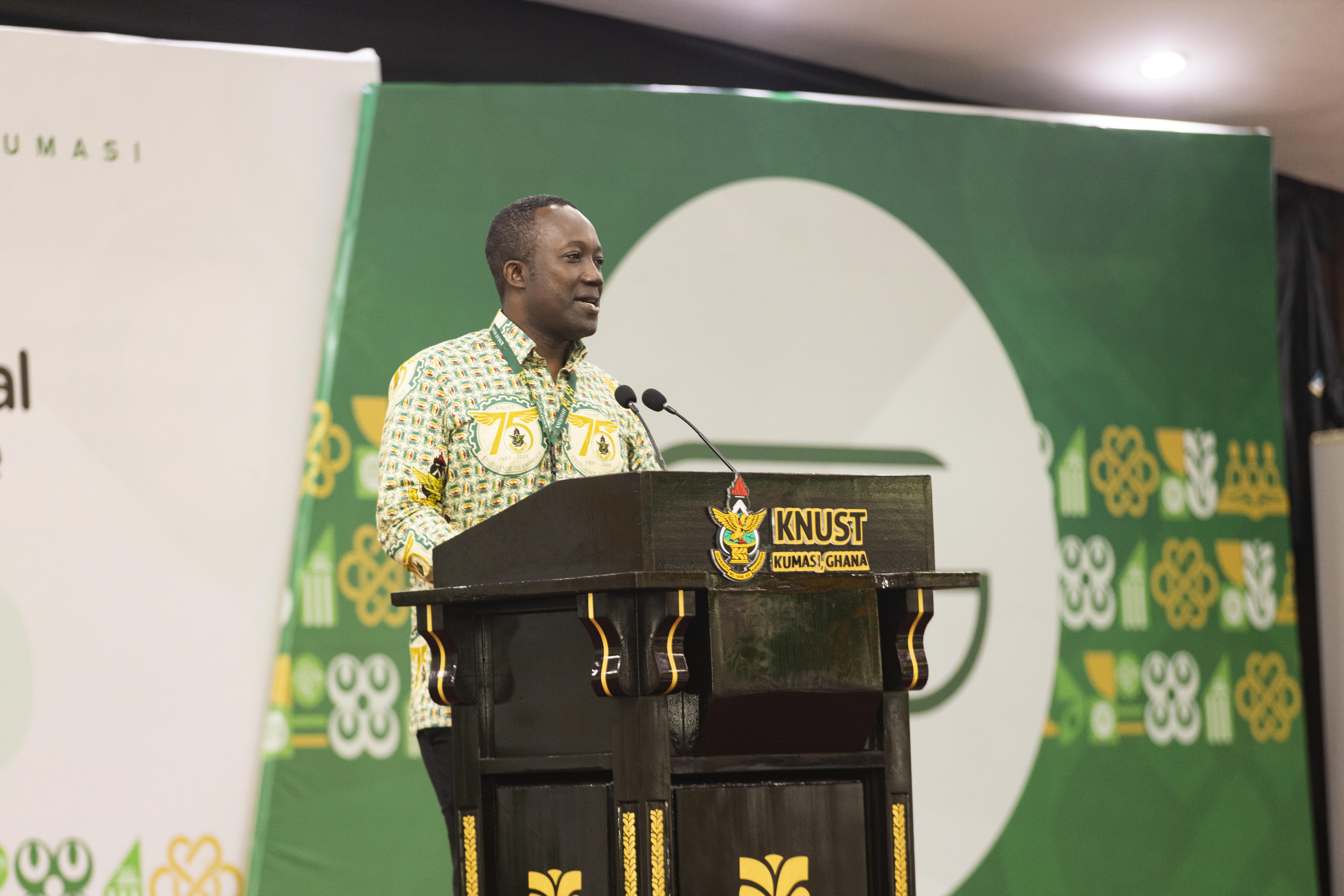
Chairman of the Planning Committee, Professor Daniel Addai Duah, outlined activities for the week-long programme, including workshops, student forums, an EdTech exhibition, an international conference, and specialised training sessions aimed at strengthening digital competencies and promoting the ethical adoption of artificial intelligence (AI) across the higher education sector.
Story: Abigail Ofori Photos: Emmanuel Offei


