
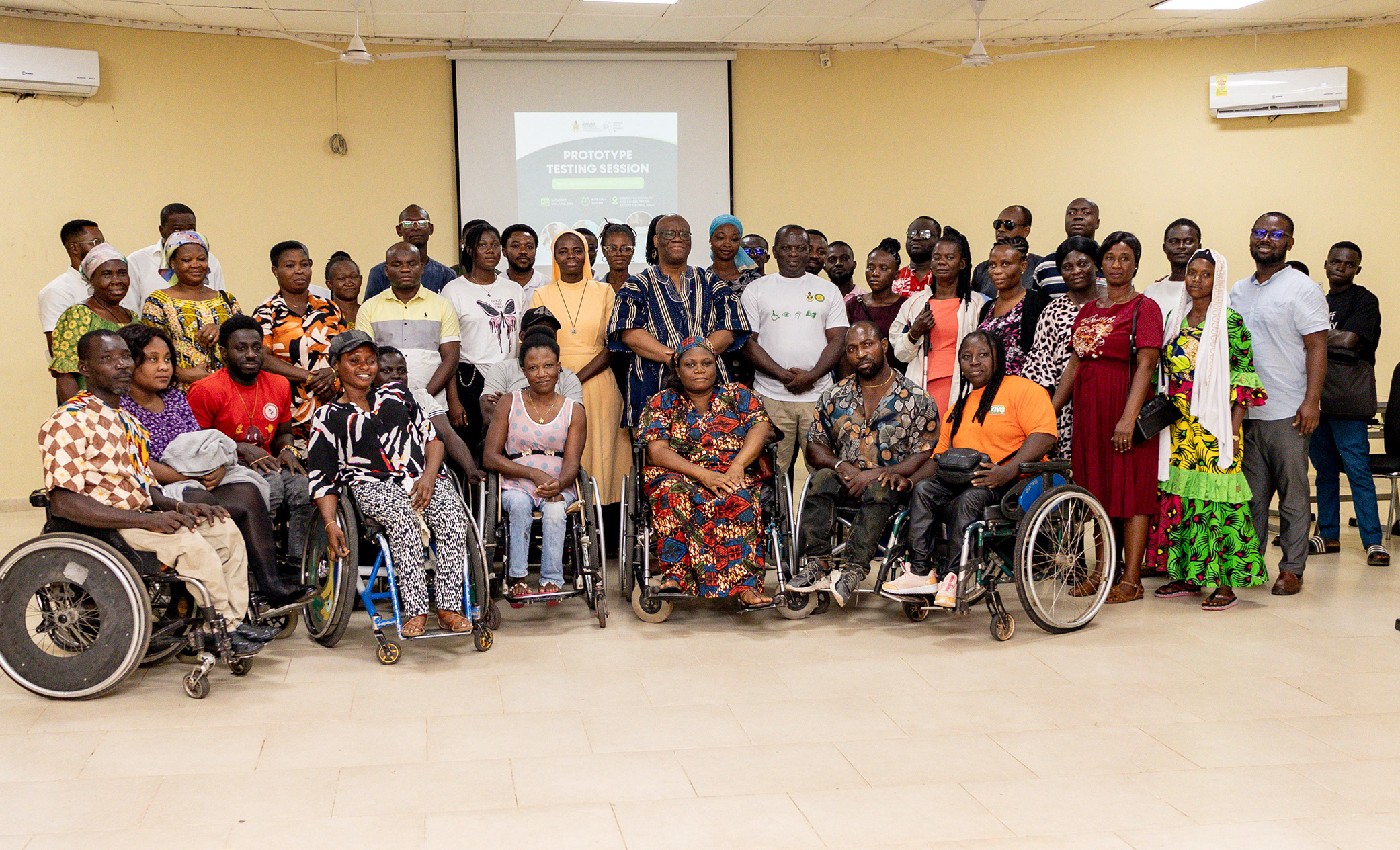
The Responsible Artificial Intelligence Lab (RAIL) at the Kwame Nkrumah University of Science and Technology, Kumasi (KNUST) in collaboration with the Department of Health Promotion and Rehabilitation Studies, has conducted prototype testing of a range of AI-powered assistive technologies with persons with disabilities (PWDs) as part of efforts to develop inclusive and user-centred solutions.
The engagement brought together potential end-users to interact with the prototypes and provide feedback to guide further development and refinement.
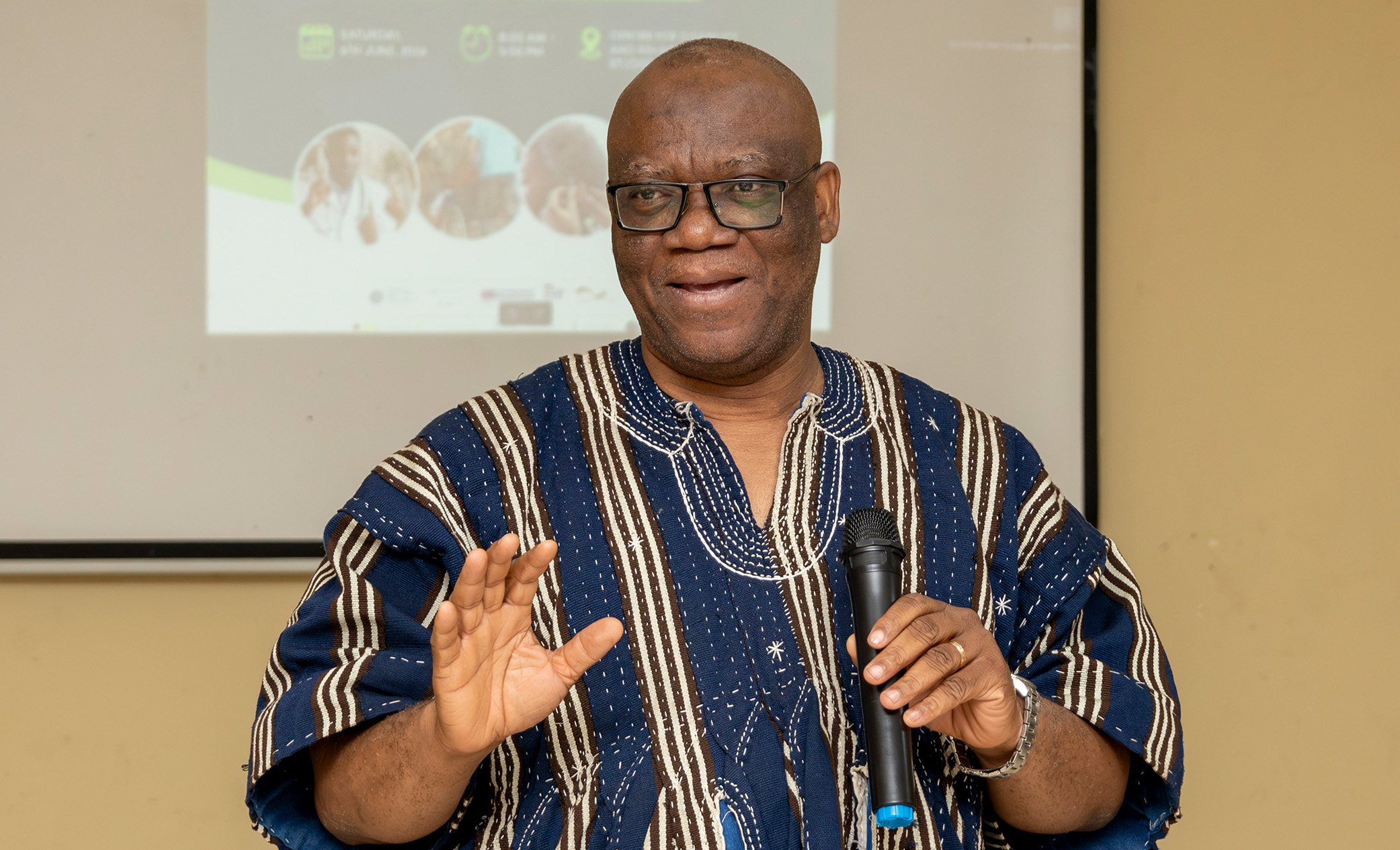
Speaking on the purpose of the exercise, Principal Investigator of RAIL, Professor Wisdom Jerry John Kponyo, said the initiative reflects the Lab's commitment to developing technologies that respond directly to the needs of persons with disabilities.
He noted that many assistive technologies developed worldwide record low adoption rates because users are often excluded from the design and development process.
"Many of the solutions that have been developed in the past are not being used. The major problem has been that the users have not been consulted in the development," he said.
To address this challenge, Professor Kponyo said RAIL adopts an "inclusivity by design" approach, actively involving persons with disabilities from the ideation stage through development and testing.
"Today, what we are doing is prototype testing. We are hoping that they can interact with the prototype and provide us with feedback so that together we can say that we have co-designed and co-developed the assistive technology," he said.
According to him, the success of RAIL's innovations is measured not only by their commercial value but also by the number of lives they positively impact.
"When it comes to impact, how we measure impact is not so much the commercial value, but how many people are benefiting from the work that we are doing," he added.
Supporting this approach, the Head of the Department of Health Promotion and Rehabilitation Studies, Professor Wisdom Mprah, underscored the importance of user participation in the development process, noting that no single technology can address the diverse needs of all persons with disabilities.
"We should recognize that not every technology can solve every challenge. That is why we want everyone to be involved in the process, so that the final product will be effective, relevant, and beneficial to a wider range of persons with disabilities," he said.
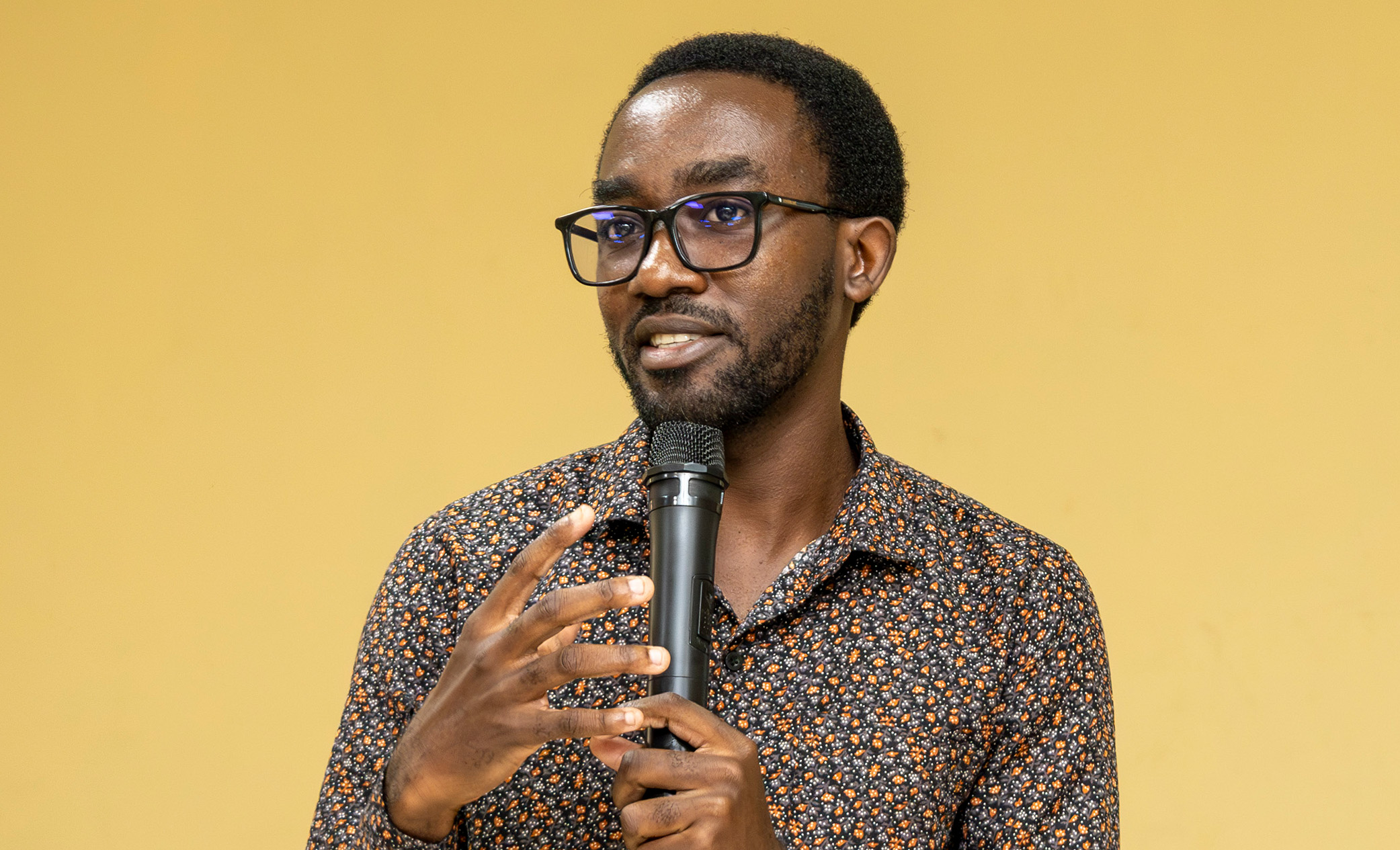
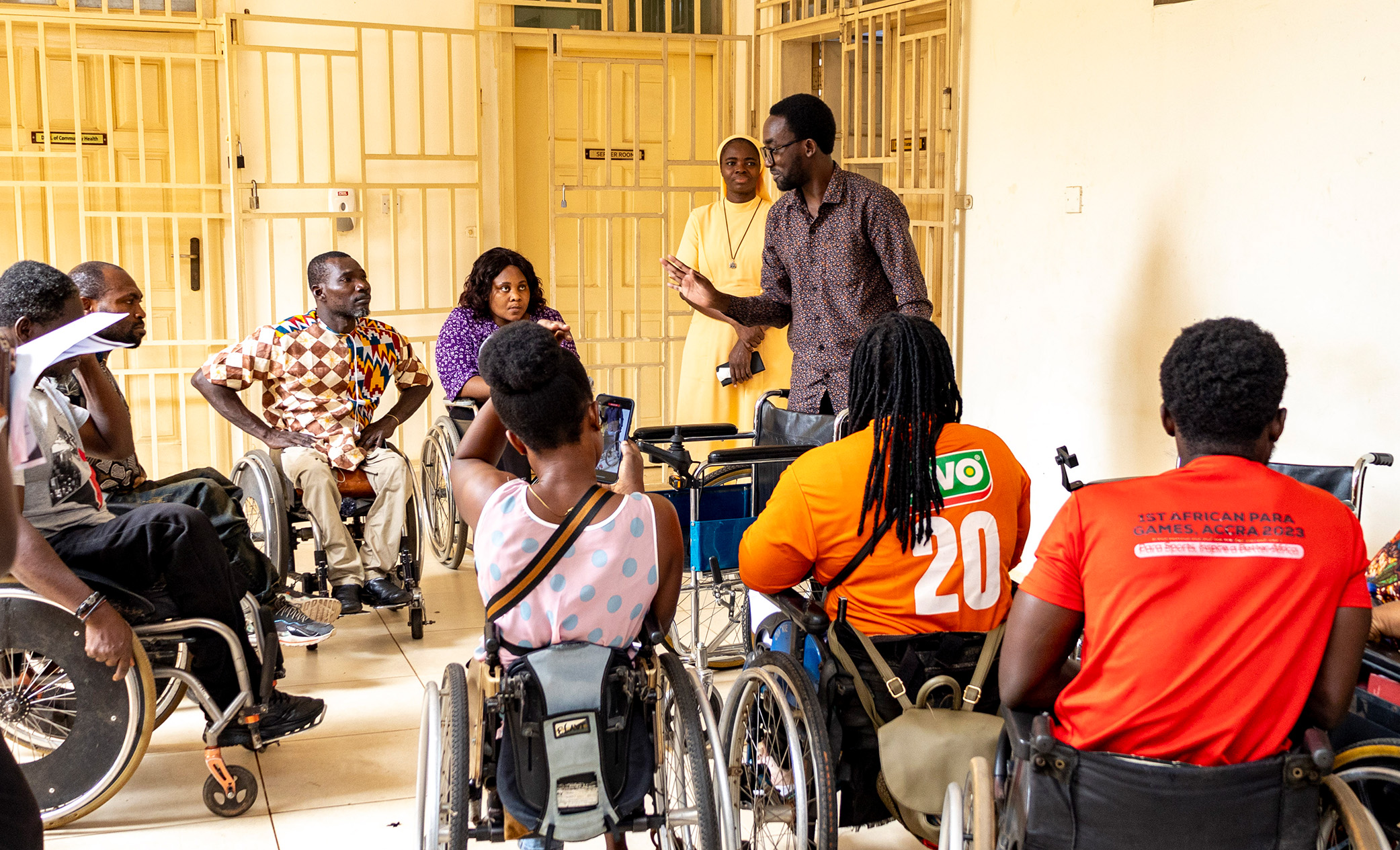
The Assistive Technology Team Lead, Dr. Justice Owusu Agyemang, led participants through demonstrations of four innovations developed by the Lab: I-See, an AI-powered smart white cane designed to assist persons with visual impairment and communicate in local languages; I-Wheel, a motorised intelligent wheelchair developed from a conventional wheelchair to provide enhanced functionality at a significantly lower cost; I-Hear, an AI-powered hearing aid that separates speech from background noise to improve communication in noisy environments; and SignTalk, an AI-enabled communication platform that facilitates interaction between sign language users and healthcare professionals through an avatar-based interpretation system.
The Director of Social Welfare and Community Development at the Asokwa Municipal Assembly, Mr. Dickson Frimpong, commended the initiative and assured the team of his office's support in facilitating collaborations with government and other stakeholders to secure funding for the technologies and improve access for persons with disabilities.
Participants who tested the devices expressed appreciation for the innovations and their potential to improve the quality of life of persons with disabilities.
Mr. Gyimah Minkah Andrews, Ashanti Regional President of the Ghana Federation of Disability Organisations (GFD), described the prototypes as promising interventions and encouraged the team to maintain high-quality standards while ensuring affordability.
"We wish we could take the products home today and start using them. This shows how excited we are that the team at RAIL is thinking about us and our well-being. We are grateful," he said.
He expressed hope that the next engagement would see the devices ready for wider use.
Looking ahead, Professor Kponyo disclosed plans to pilot SignTalk in selected hospitals and distribute some of the devices to persons with disabilities for extended field testing before final production.
He urged participants selected for the pilot phase to use the devices responsibly and provide honest feedback to help improve the final products.
Professor Kponyo said the initiative forms part of KNUST's broader commitment to promoting inclusivity through the development of accessible technologies that empower persons with disabilities to participate fully in society.
"KNUST believes in leaving no one behind. We are hoping that persons with disabilities can live their potential to the fullest," he added.


