
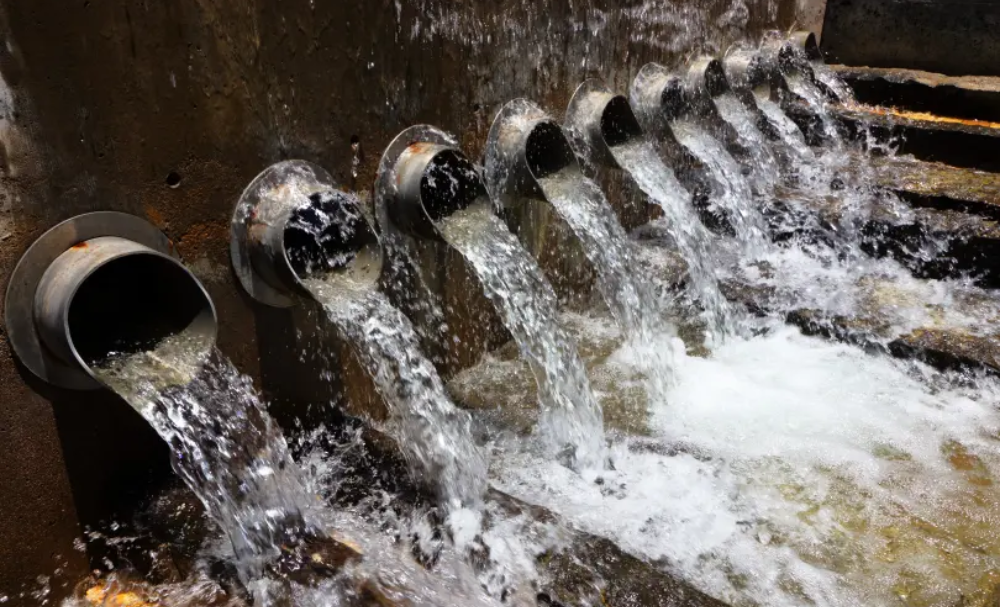
A study by researchers at the Kwame Nkrumah University of Science and Technology, Kumasi (KNUST), has found that household greywater generated from bathing, laundry and kitchen activities contains pollutant levels that exceed Ghana Environmental Protection Agency (EPA) standards, raising concerns about environmental contamination and public health risks in peri-urban communities.
The study, published in PLOS Water, examined greywater produced by 10 households over a 10-week period in Kotei, a peri-urban community in Kumasi. Researchers measured the quantity of wastewater generated daily and analyzed its physical, chemical and bacterial characteristics.
The research team, which included several researchers from the College of Engineering, found that households generated an average of 110 litres of greywater each day, with bathing accounting for the largest share at 58 percent. Laundry activities contributed 23 percent, while kitchen activities made up 19 percent.
Among the different sources, laundry greywater contained the highest concentrations of organic pollutants and dissolved chemicals, indicating a significant pollution load. Kitchen greywater, on the other hand, recorded the highest levels of bacterial contamination, including E. coli and other coliform bacteria associated with potential health risks.
Researchers also detected traces of lead, iron and triclosan, a chemical commonly found in soaps and personal care products. These substances could pose ecological risks when greywater is discharged untreated into the environment.
The study further established that greywater quality varies significantly depending on its source, underscoring the need for source-specific management and treatment approaches.
According to the researchers, the findings highlight the urgent need for affordable and decentralized wastewater treatment solutions in low-income and peri-urban communities.
The recommend options such as household-scale biochar filters, gravel-and-sand filtration systems and constructed wetlands to improve greywater management and reduce environmental impacts.
The study contributes to growing efforts to understand household wastewater challenges in Ghana and provides evidence to support policies and interventions aimed at improving sanitation and protecting water resources.


