
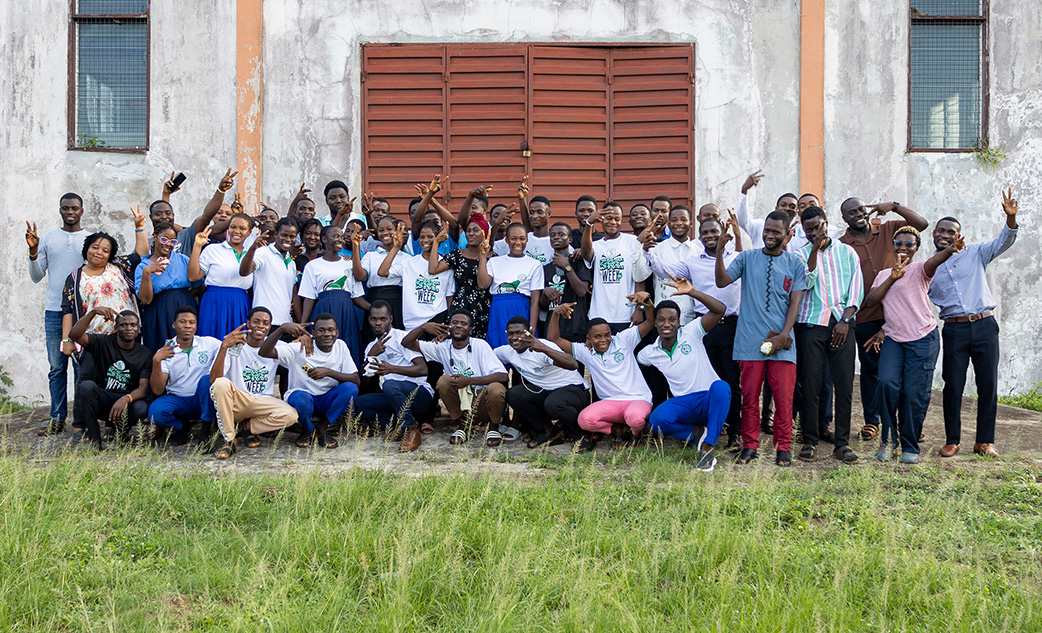
The Kwame Nkrumah University of Science and Technology, Kumasi Nutrition and Sustainable Agri-food Collaborative, in partnership with the Mastercard Foundation (Nkabom Collaborative) has expanded its transformative agribusiness training initiative to the Ohawu Agricultural College in the Volta Region of Ghana.
The 10-day training programme provided 60 participants with the practical knowledge and entrepreneurial skills required to advance an innovation-led and sustainable agricultural sector in Ghana.
Participants indicated that the programme had significantly enhanced their understanding of entrepreneurship, design thinking, value addition, and business development.

One of the participants, Jessica Elikplim Alawogbe explained that one of the most impactful lessons was the design thinking process, which challenged participants to identify problems within their communities and develop practical solutions.
“The training has taught us how to think creatively about the challenges we face in our communities and develop innovative ideas to solve them,” she said.
She revealed that the programme inspired her to explore value addition opportunities within the soybean value chain.
“Through this training, I have learned how to add value to existing products and make them more appealing to consumers,” she stated.
She further disclosed plans to develop a fortified soybean powder blended with moringa to improve its nutritional value and appeal, particularly among students.

Another participant, John Atidefe, added that the training had strengthened his ability to identify market opportunities and develop innovative business solutions.
“The training has taught me how to observe situations, analyse problems critically and develop products that address real needs in society,” he remarked.
He explained that the skills acquired during the training programme had inspired him to explore innovative processing and preservation techniques for agricultural products such as okra and mushrooms to ensure year-round availability.
“The knowledge I have gained has exposed me to business opportunities in transforming traditional okra into value-added products such as okra powder, which can help ensure a consistent supply for consumers throughout the year, particularly during periods of scarcity,” he said.

Facilitator at Ohawu Agricultural College, Mr. Bernard Onimah, observed that the training has significantly enhanced participants’ entrepreneurial mindset and equipped them with practical skills to identify opportunities within the agri-food sector.
He added that participants gained better understanding of customer needs, market analysis, business planning, and financial management, enabling them to develop viable agribusiness ideas.
“The programme has helped students understand how to identify problems, develop innovative solutions, and build sustainable agribusiness ventures that respond to market needs,” he stated.
Mr. Onimah further indicated that the design thinking component of the training had strengthened participants’ ability to empathise with customers, refine business ideas, and develop products that address real challenges within their communities.
“Students are now better positioned to create solutions that meet customer demands and contribute meaningfully to the growth of the agri-food sector,” he said.


